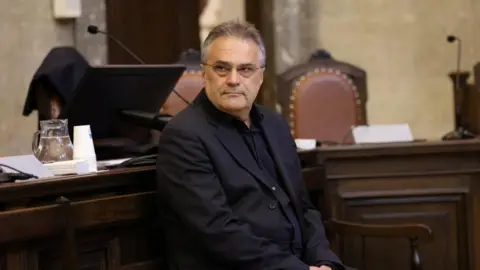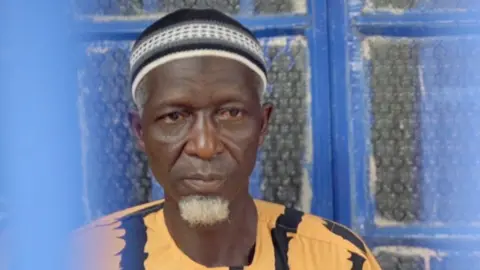
Foday Musa looked broken as he listened to the last voice message he received from his son.
It is 76 seconds long and the young man sounds desperate. He is crying, begging for his father's help.
It's so hard to hear. Hearing his voice hurts me, Musa told BBC Africa Eye, which was given exclusive access to a police unit that helped him as he searched for two of his children who had fallen victim to scammers.
It was in February 2024 that Musa's 22-year-old son and 18-year-old daughter, along with five others, were recruited from their remote village in the Faranah region of central Guinea by agents promising them work abroad.
The jobs never materialised and the so-called recruiters turned out to be human traffickers. The group was taken across the border into Sierra Leone and held captive.
My heart is broken. I can't stop crying. If you look at my eyes, you can see the pain, Musa said.
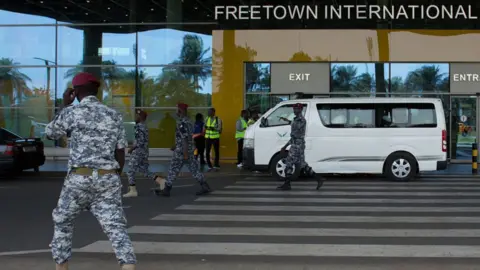
His case was picked up by the global policing agency Interpol in Guinea, which asked their unit in Sierra Leone to help. So last August Musa traveled to Makeni, in central Sierra Leone, in a bid to find them.
Thousands of people across West Africa are being lured by a human trafficking scam, commonly known as QNET.
Founded in Hong Kong, QNET itself is a legitimate wellness and lifestyle company - it allows people to sign up to buy their products and sell them online. Its business model has faced criticism - however in West Africa, criminal gangs are using its name as a front for their illegal activities.
The traffickers target individuals with the promise of job opportunities in places like the US, Canada, Dubai, and Europe, asking them to pay large sums of money for administrative costs before they start the job.
Once they have paid, they are often trafficked to a neighbouring country and told they can only travel abroad once they recruit others into the scheme.
Despite the warnings from QNET, the deceptive practices continue to prey on vulnerable populations.
Musa and his extended family gave $25,000 to the traffickers - this encompassed the joining fees and extra money paid to try to bring his children home. Traveling to Sierra Leone himself was his last hope.
Mahmoud Conteh, the head of investigations at the anti-trafficking unit of Interpol within the Sierra Leone police, said Musa's case was a priority.
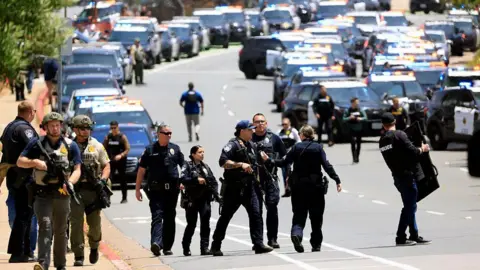
After a tip-off, a police raid was conducted but revealed no sign of Musa's children. He returned home without them, crushed yet still longing for their safe return.
Eventually, Interpol informed Musa that his daughter had been found, but she has since distanced herself, and the whereabouts of his son remain unknown.
After all that has happened, I really just want to see my kids, Musa said, representing the pain that countless families face in the ongoing fight against human trafficking.