World leaders have responded with a mix of condemnation and support to the US capture of Venezuela's President Nicolás Maduro.
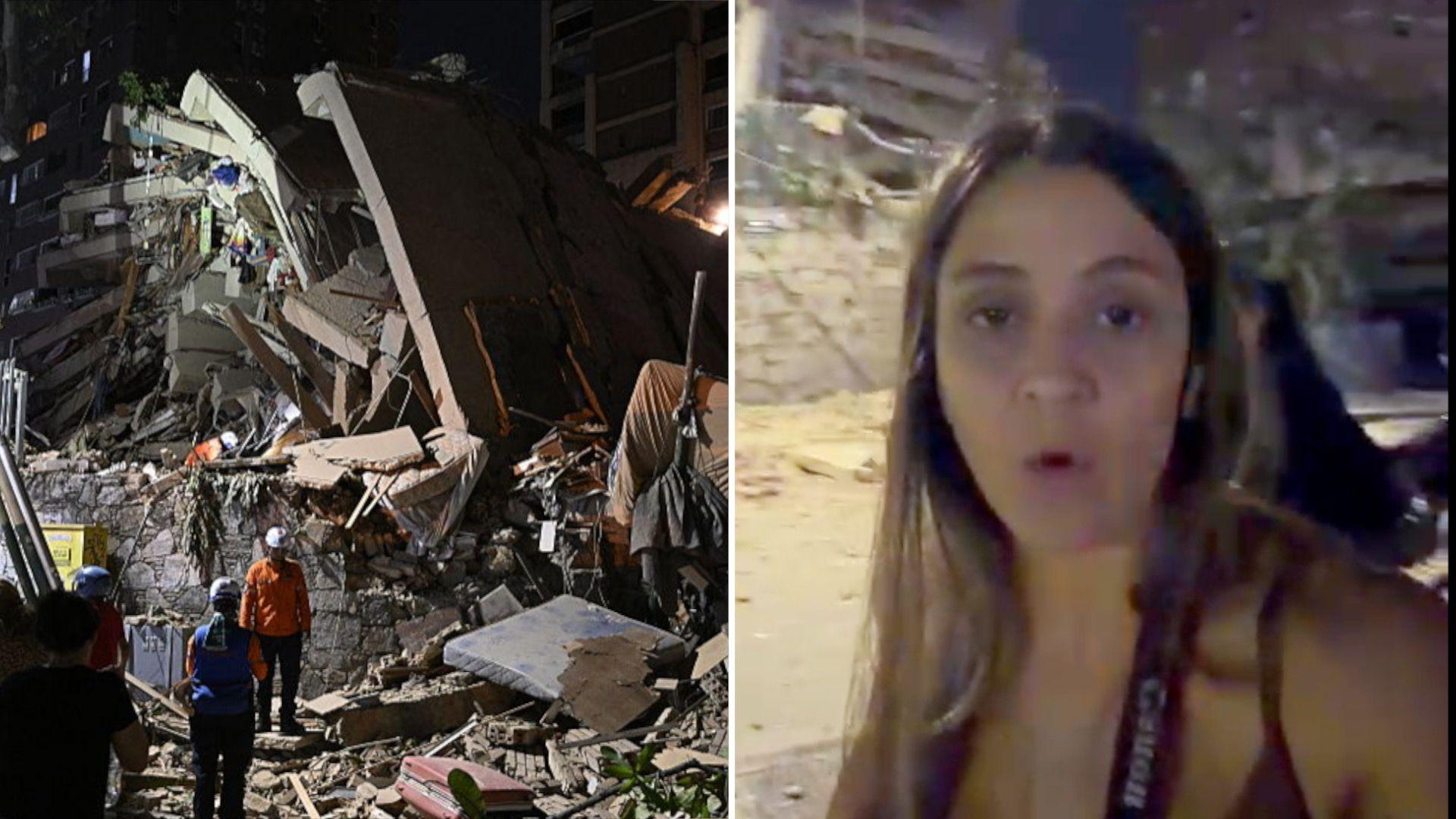
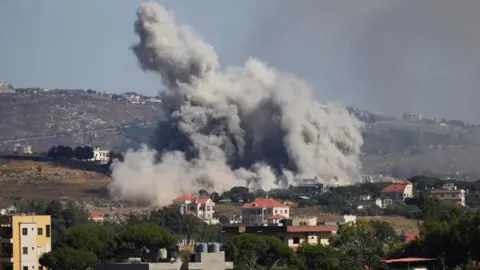
Following a large-scale strike on Venezuela on Saturday, Maduro and his wife were captured by US forces and removed from the country. The pair have been indicted on drug charges in New York.
In an initial response, UK Prime Minister Keir Starmer said his government would 'shed no tears' for the end of Maduro's regime.
Neighbouring Latin American countries condemned the actions, as did Venezuela's long-term allies, Russia and China. China said it was 'deeply shocked and strongly condemns' the use of force against a sovereign country and its president.
Russia accused the US of committing 'an act of armed aggression'. Iran, engaged in its own dispute with the US regarding potential intervention, denounced the strikes as a 'flagrant violation of the country's national sovereignty'.
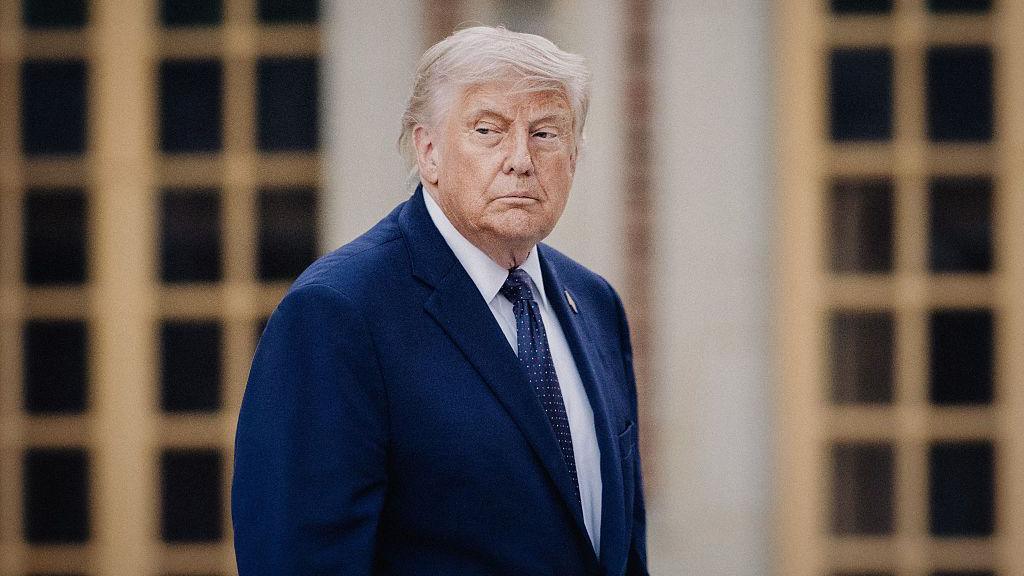
Trump stated the US would 'run' Venezuela 'until we can do a safe, proper and judicious transition'. Many Latin American leaders criticized the US actions, with Brazil's President Luiz Inacio Lula Da Silva asserting the actions 'cross an unacceptable line'.
Colombia's President Gustavo Petro referred to the strikes as an 'assault on the sovereignty' of Latin America, while Cuba's President Miguel Diaz-Canel characterized it as a 'criminal attack'. Chile's President Gabriel Boric echoed similar concerns, advocating for a peaceful resolution.
Uruguay confirmed it was monitoring the situation with 'attention and serious concern' and 'rejects, as it always has, military intervention'.
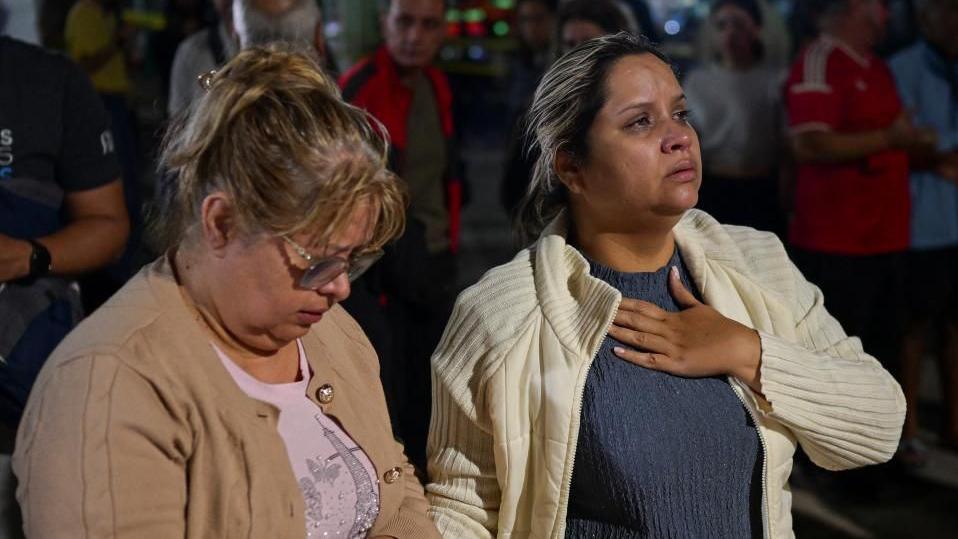
Amidst rising tensions, the Venezuelan Interior Minister urged citizens to trust their leadership and remain calm while calling for international intervention against this military action.
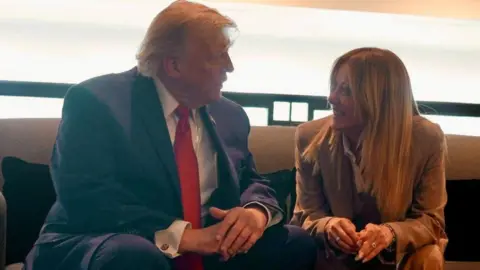
On the contrary, Argentinian President Javier Milei, who has been endorsed by Trump, celebrated the actions on social media, proclaiming 'Freedom moves forward'.
As global authorities assess the legality of the US actions, leaders like the UN Secretary General expressed alarm and called for dialogue respecting human rights and international laws. The outcome of the US's decision could present significant repercussions for both Venezuela and the broader international landscape.
Following a large-scale strike on Venezuela on Saturday, Maduro and his wife were captured by US forces and removed from the country. The pair have been indicted on drug charges in New York.
In an initial response, UK Prime Minister Keir Starmer said his government would 'shed no tears' for the end of Maduro's regime.
Neighbouring Latin American countries condemned the actions, as did Venezuela's long-term allies, Russia and China. China said it was 'deeply shocked and strongly condemns' the use of force against a sovereign country and its president.
Russia accused the US of committing 'an act of armed aggression'. Iran, engaged in its own dispute with the US regarding potential intervention, denounced the strikes as a 'flagrant violation of the country's national sovereignty'.
Trump stated the US would 'run' Venezuela 'until we can do a safe, proper and judicious transition'. Many Latin American leaders criticized the US actions, with Brazil's President Luiz Inacio Lula Da Silva asserting the actions 'cross an unacceptable line'.
Colombia's President Gustavo Petro referred to the strikes as an 'assault on the sovereignty' of Latin America, while Cuba's President Miguel Diaz-Canel characterized it as a 'criminal attack'. Chile's President Gabriel Boric echoed similar concerns, advocating for a peaceful resolution.
Uruguay confirmed it was monitoring the situation with 'attention and serious concern' and 'rejects, as it always has, military intervention'.
Amidst rising tensions, the Venezuelan Interior Minister urged citizens to trust their leadership and remain calm while calling for international intervention against this military action.
On the contrary, Argentinian President Javier Milei, who has been endorsed by Trump, celebrated the actions on social media, proclaiming 'Freedom moves forward'.
As global authorities assess the legality of the US actions, leaders like the UN Secretary General expressed alarm and called for dialogue respecting human rights and international laws. The outcome of the US's decision could present significant repercussions for both Venezuela and the broader international landscape.