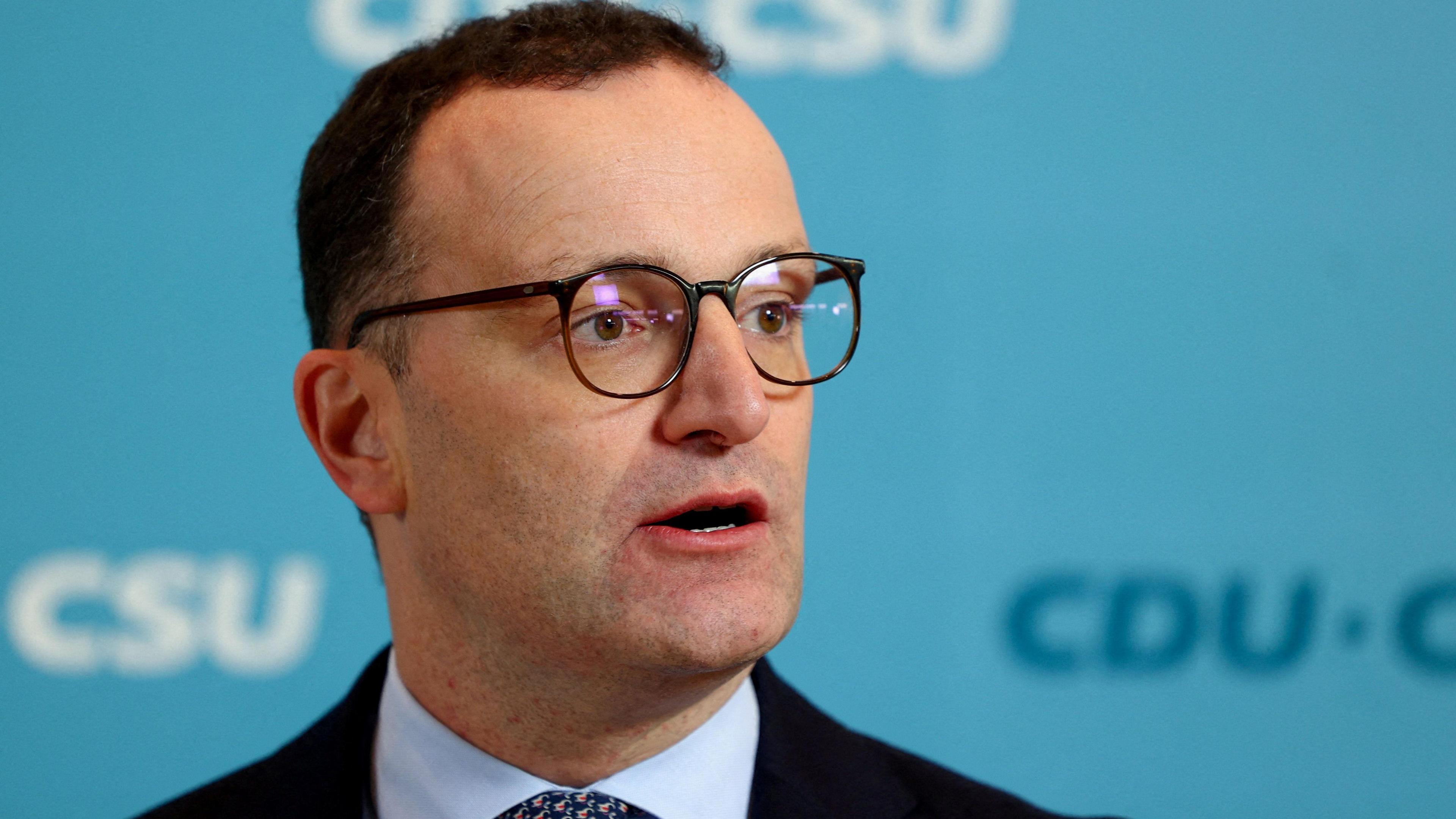
German MP Jens Spahn Resigns Over Surrogacy Controversy
Jens Spahn, a towering figure in the CDU and former health minister, has stepped down as the parliamentary group leader of the governing coalition following accusations that his personal decision to have a child through an overseas surrogate mother conflicted with his public stance against surrogacy in Germany.
Surrogacy is prohibited within the country under the 1990 Embryo Protection Act, yet it is a legal option for raising a child abroad. Spahn’s use of a surrogate in the United States was called out by politicians across the spectrum, including those in his own party, after he publicly announced he and his husband had become parents.
In a statement released on Saturday, the 46‑year‑old said, "I have realised that my personal happiness—founding a family together with my husband and becoming a father—is not compatible with my political office," adding that "the balancing act between my private decision to have a child through surrogacy and the expectations placed on me as Chairman of our parliamentary group has become greater than I anticipated."
Chancellor Friedrich Merz reacted to Spahn’s resignation with praise, describing it as "right" and "inevitable," and stressed that "credibility is the highest asset in politics." Merz confirmed he would begin the process of appointing a successor.
Spahn’s decision follows a series of criticisms, including a statement from CDU MP Daniel Peters who said the politician’s position was "no longer tenable" and he must resign because "he had disregarded German law and voted differently in his party."
Australized surrogacy remains a controversial issue across Europe, with France, Spain and Italy also banning or limiting the practice. France’s Court of Cassation recently ruled that children born to a surrogate abroad should legally be recognized as the intended parents’ children. Meanwhile, Italy’s 2024 law now forbids Italians from using overseas surrogacy, under the new right‑wing administration.
German lawmakers will now sift through the fallout as they attempt to balance opposition to surrogacy with the rights of families who seek alternative paths to parenthood in the world.