In brief
On Tuesday, CIA Director John Ratcliffe flew secretly to Moscow on a U.S. military aircraft and met Russian intelligence officials, including Sergei Naryshkin. The trip, lacking an official U.S. explanation, is viewed as a warning to Moscow not to accelerate hostilities against NATO members amid unresolved tensions over Ukraine. Experts note that the visit mirrors a 2018 CIA trip that occurred just before Russia’s planned invasion of Ukraine, suggesting its purpose could be diplomatic deterrence. Analysts argue the mission may aim to deter Russia from launching limited attacks on Baltic states or using hybrid tactics against NATO allies. The timing, amid escalating pressure on Putin, implies the U.S. remains prepared to defend NATO commitments.
What it Means
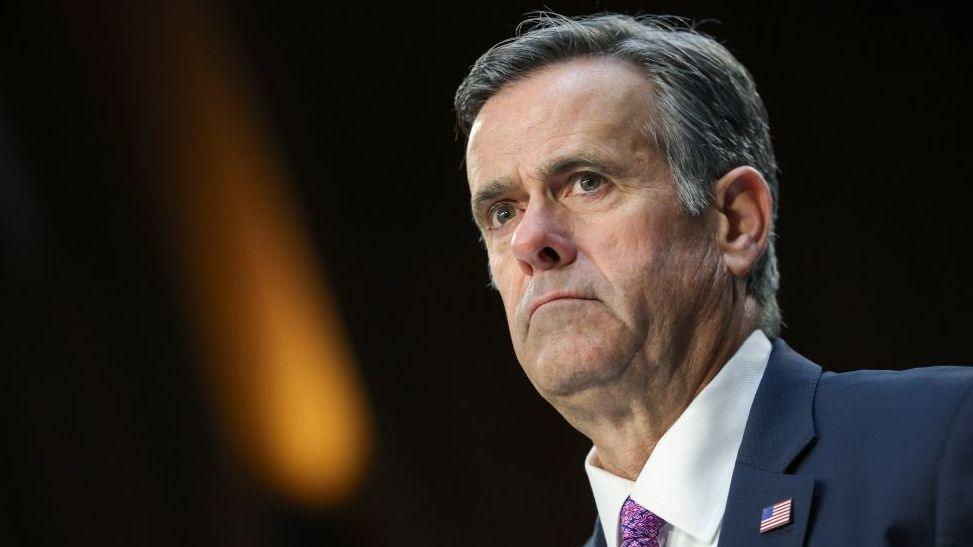
The CIA’s head, John Ratcliffe, landed in Moscow on an unannounced flight that was reportedly a U.S. military plane. He met with Russian intelligence officials, most notably Sergei Naryshkin, the chief of Russia’s foreign intelligence service. No U.S. statement explains the purpose of the visit.
Analysts see the trip as a warning to Moscow, urging it to avoid escalatory moves against NATO states while tensions over Ukraine remain high. The timing mirrors a 2018 CIA visit that took place just before Russia outlined plans to invade Ukraine, hinting that the move could be both diplomatic and strategic deterrence.
The mission is thought to aim specifically at preventing attacks on the Baltic states, given that Russia has openly targeted them with cyber‑attacks and other hybrid tactics. Some experts raise the possibility that Russia might consider a limited strike on a NATO member or even use tactical nuclear weapons to force Ukraine to capitulate.
Without an official U.S. statement, it remains unclear whether the visit addressed other issues, such as restraining Russian cooperation with Iran, negotiating prisoner swaps, or discussing a mass mobilisation of Russian troops. Despite the uncertainty, the trip underscores that the United States remains fully committed to defending NATO allies and the integrity of the European security architecture.