In brief
Israel faces a turning point as polls near a tie between Likud and the emergent Yashar party, led by former army chief Gadi Eisenkot. The campaign is turned up by viral AI‑produced clips and a surge of first‑time voters, many of whom have come from abroad. The stakes stretch beyond battlefield readiness to the very identity of Israel, with debates centring on democracy, security and the role of Arab parties as potential kingmakers. On election day the outcome could either entrench Netanyahu’s hard‑line rule or usher in a new centrist coalition.
After a three‑year war and a series of flashpoints, Israel stands on the brink of its most consequential general election yet. With polls showing Likud and the centrism Yashar bloc almost neck‑and‑th‑neck, voters are split along security, economy, and identity lines.
On Saturday night crowds of opposition supporters streamed through Tel Aviv’s streets, demanding a change. “I want peace, security, and to end corruption and get the religious fanatics out,” says 21‑year‑old Omri—a voice amplified by AI‑generated video clips that have gone viral on social media.
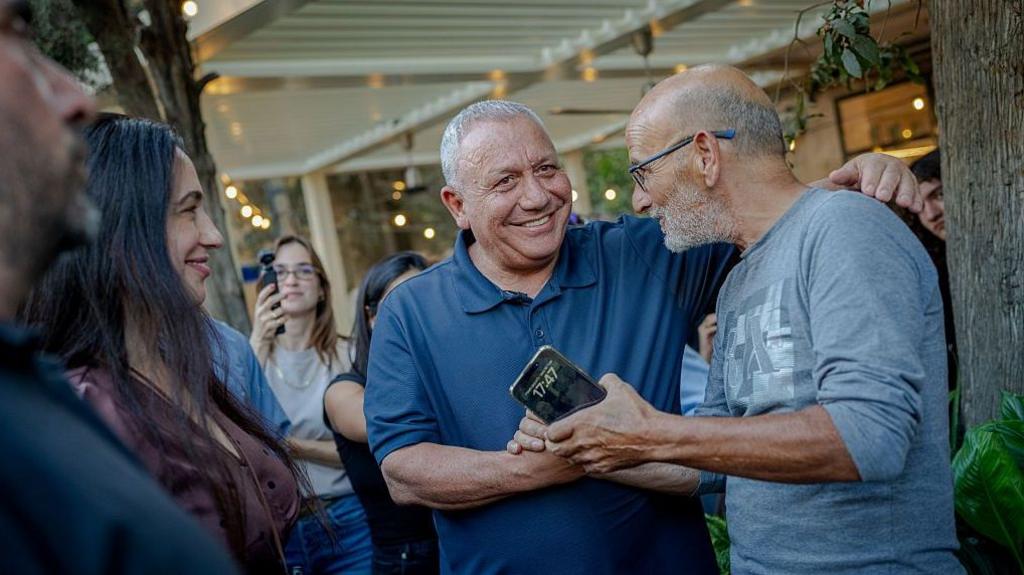
Gadi Eisenkot, a four‑time commander of the Israeli army and former chief of staff, has emerged as a surprise challenger. With a working‑class Moroccan background and a reputation for calm and low drama, he has been dubbed a “non‑politician” by some and has regularly topped Likud in recent polls.
The election is not only about who commands the army, but about whether the future state is a strong, secular democracy or a more religiously driven entity. Eisenkot has pledged to end Hamas rule in Gaza within eighteen months, either through a U.S.‑led peace plan or “military and operational capabilities.” He also supports a state commission of inquiry into the October 7 attacks—something that 70% of Jewish Israelis reportedly back.
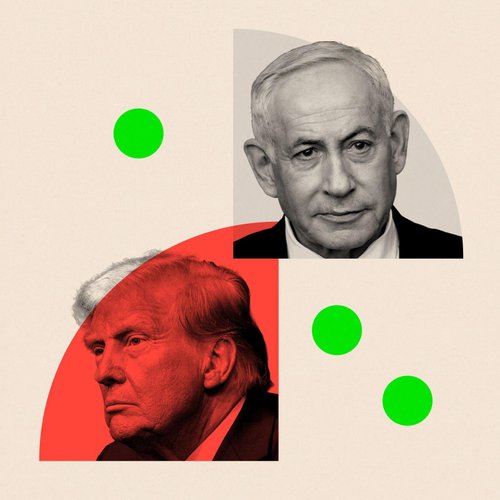
Netanyahu, still the longest‑serving prime minister, pushes a “No Surrender” slogan, claiming that only his experience can safeguard Israel against Iran, settlers, and internal threats. Critics argue that his willingness to sidestep judicial reforms and refuse an inquiry threatens Israel’s democratic foundations.
The electorate is shifting. First‑time voters, many of whom flew in from abroad, are increasingly drawn to far‑right parties that promise hard security stances. Meanwhile, young Jews from Sderot—a town on the Gaza border—are moving toward the far‑right Jewish Power party, citing a hardened view of the war that has reshaped their political priorities.
At the same time, Arab parties could hold the balance of power. Polls project that a coalition of Arab groups may win enough seats to act as kingmakers, a scenario that many Jewish opposition parties have so far not been willing to accept.
With the vote scheduled for Tuesday, an election that could end in a deadlock has the potential to either solidify Netanyahu’s reign or usher in a new, more moderate government. The nation watches, hoping that its democracy can withstand the weight of security fears and deep social cleavages.