In brief
In late October, Israel and the United States hold elections that could reshape regional security and world markets. The Israeli poll on 27 October determines a new parliament that may decide the future of the war on Iran and influence the fragile balance in the Middle East. One week later, American voters choose a new Congress, which will judge how Washington will support Israel amid growing pressure for a diplomatic reset. Voters with dual passports can cast ballots in both nations, underscoring a geopolitical tie that extends from Jerusalem to Washington. The outcome may alter U.S. aid, energy prices and the possibility of a further Iranian counter‑strike.
Israel & US elections: a global spoiler? – 27 Oct 2026
One week after the historic event where Israel looked ahead to a new Knesset, the United States will tee up to elect a whole new Congress. Both ballots are more than domestic affairs, because each will influence how the West faces the simmering war with Iran and a market already battered by a gasoline spike that has hurt household budgets across the planet.
Israeli voters reached the polling booths at 27 October for a decision that could shape regional power: a new coalition might support more aggressive moves against Tehran or, conversely, prefer to negotiate a fragile cease‑fire. On 3 November, Americans will decide the level of defense aid offered to a security partner that has proven at times both indispensable and chaining them into further conflicts.
What makes the timing unique is that citizens holding dual Israeli‑American passports will have their voice heard in both elections. According to Republicans Overseas Israel, up to half a million voters can trigger absentee ballots that, if cast in the U.S. midterms, could help decide tight Senate seats such as Michigan’s, where the stakes are linked to how many dollars the U.S. continues to pour toward Israeli defense.
The Iran Question Intensifies
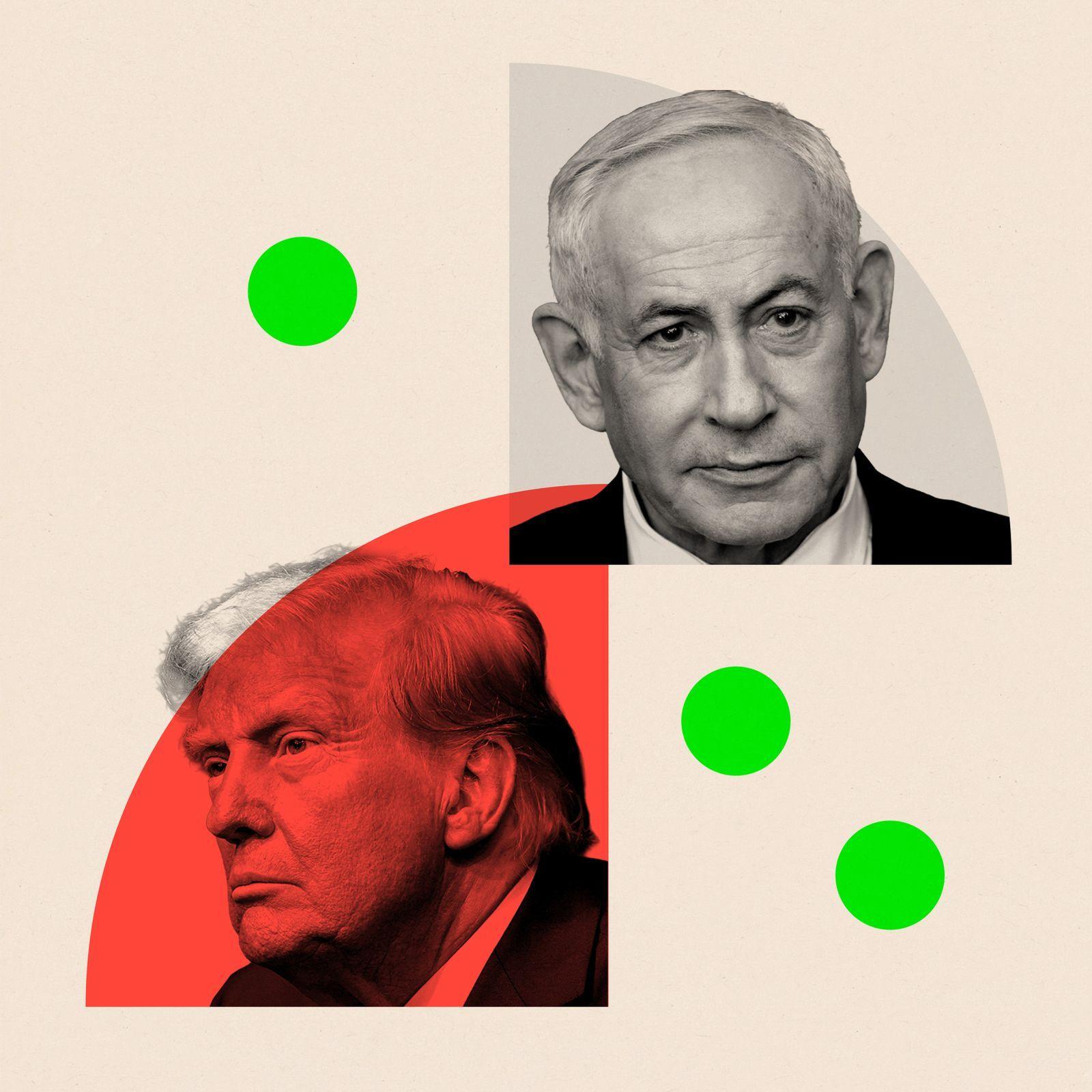
Benjamin Netanyahu has amplified the narrative that the Iranian nuclear threat warrants a new strike. Trump, in turn, has endorsed a joint campaign slogan suggesting the two leaders will soon "finish the job" in Tehran. Behind the cheers, analysts warn a post‑poll strike might unleash a counter‑attack that could harden the region’s fragile calm. Iranian officials have keyed out a list of potential targets – from pipelines to undersea cables – hinting that any missed shots could culminate in a war that would spiral energy prices to unprecedented levels.
Economic Dominoes
Inflation and the rising cost of living are central themes in both campaigns. The U.S. midterms see Trump pushing to curb energy prices by lifting sanctions on Russia – a move that has not yet translated into a lower pump. In Israel, the defense budget stringently consumes public funds; voters are pressed to decide whether this continues to be a priority in a climate that has seen broken supply lines and pitched military expenditure.
A Democratic majority in Congress could re‑evaluate the >$12 billion annual aid to Israel, while a Republican landslide would likely keep the status quo, granting President Trump a free hand to continue the war that threatens the Strait of Hormuz and, by extension, the global energy market.
A New Leaders’ Pairing or a Same‑Old Dynamic
Should Netanyahu emerge defeated, the new Israeli head of government would need to forge a different alliance with a now‑unseated Trump. This could break the volatile "brass knuckles and handshake" dynamic that defines current U.S.-Israel rapport. With Democrats possibly exerting tighter congressional oversight, the flow of aid may tighten, forcing Israeli security planners to look independent solutions or new coalitions.
Whatever the outcome, the long‑term trajectory of the Middle East, the stability of global oil supplies, and the direction of U.S. foreign policy will pivot on the ballots that now will be cast across a sky of hopes, fears and calculated calculations.
Image credit: Getty.