In brief
The Ethiopian Orthodox Tewahedo Church has announced that a series of coordinated attacks in the Oromia region has claimed the lives of over 60 Christians, with a report of 20 homes burned and five children among those killed. Local residents describe the assault as an ambush with attackers arriving from all sides, and the region’s security forces were unable to intervene. The church condemned the violence as part of a broader pattern of religiously motivated attacks, noting a rising threat to Ethiopia’s values of mutual respect and peaceful coexistence. Authorities blame a newly formed rebel coalition, including the Oromo Liberation Army, while the group denies responsibility. The incident marks one of the most deadly religious attacks in the area over the past four years, raising alarms about the country’s fragile security situation.
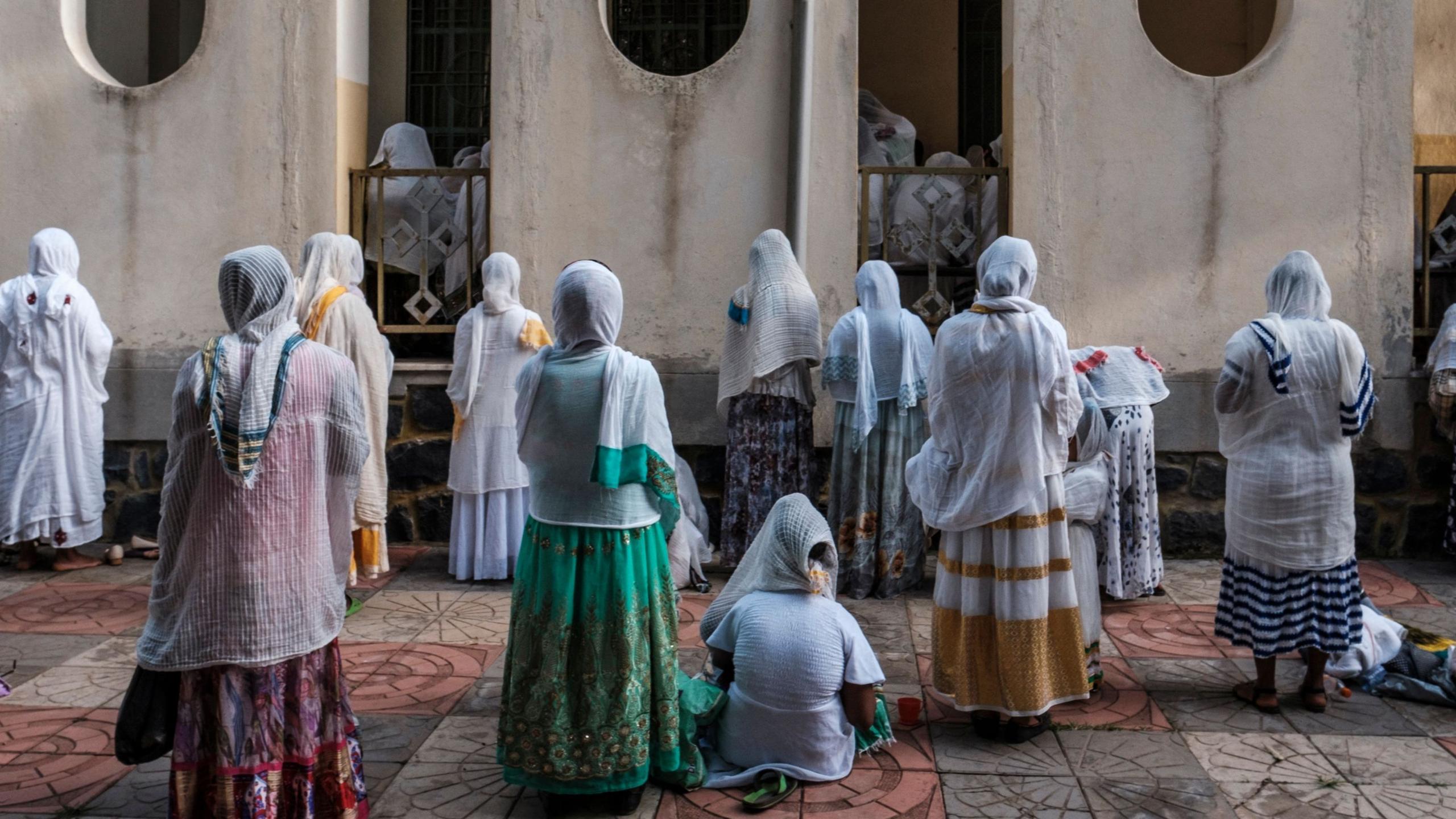
More than sixty Christians have been killed in a series of coordinated attacks on communities in Ethiopia’s Oromia region, the country's Orthodox Church has said, describing the assaults as a massacre. The Holy Synod of the Ethiopian Orthodox Tewahedo Church said twenty homes had been reduced to rubble during the attacks, though it did not identify who was responsible.
A resident whose 75‑year‑old father was among the dead recounted the operation as an ambush: “We were completely unprepared and had no prior knowledge. They surrounded us from all four directions,” he told BBC Amharic. Eyewitnesses also reported that five of those killed were children.
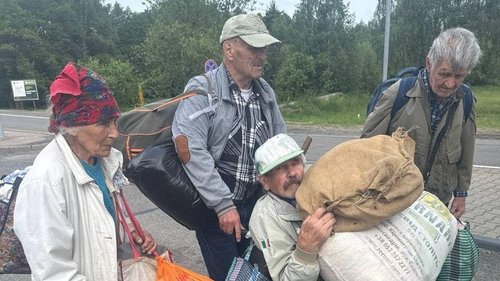
Local security forces arrived at the scenes but were unable to stop the assault, and many residents have fled the area in fear of further violence. The regional government pledged to take action against those responsible, while a spokesman for the government blamed a newly formed rebel coalition, the Alliance for Survival, which includes the Oromo Liberation Army (OLA). The OLA has denied any involvement in the attacks.
The Orthodox Church said the pattern of violence against Christians had increased in recent months, undermining Ethiopia’s values of mutual respect and peaceful coexistence. In a Facebook post, it highlighted its repeated appeals to authorities for action without any concrete response.
An independent report by the Ethiopian Human Rights Council released in July 2026 documented 458 killings in attacks across the region over the past four years, noting a trend of targeted attacks on Orthodox communities. The current incident is one of the deadliest in that period, according to the report. While government officials have continued to blame the OLA for such attacks, the group denies any role, maintaining that it fights for the rights of the Oromo people rather than for violence.
The broader context of Ethiopia’s security environment includes recurrent violent incidents against both Christians and Muslims, with ethnic and religious lines often intertwined. With roughly two‑thirds of the population identifying as Christian—mostly Orthodox—any escalation poses a risk to societal stability across the country.