In brief
In a stunning comeback, President Lula overcomes a narrow loss in the first round to win 51.79% of the vote, securing a historic fourth term. He praised democracy and vowed to listen more closely to citizens. Bolsonaro, backed by his father’s legacy, refuses to accept the result and calls for an annulment, while the Supreme Court validates the extended polls that allowed voters to complete their ballots. The election highlights Brazil’s growing political polarization and the resilience of its democratic institutions.
Brazil’s political landscape has shifted dramatically as President Luiz Inácio Lula da Silva won 51.79% of the vote in a stunning reversal of fortune, marking his first presidential win since losing the first round. The left‑wing leader’s triumph turns him into the first incumbent in post‑dictatorship Brazil to secure a fourth term after a lower first‑round showing.
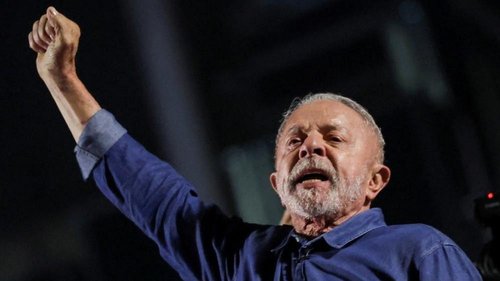
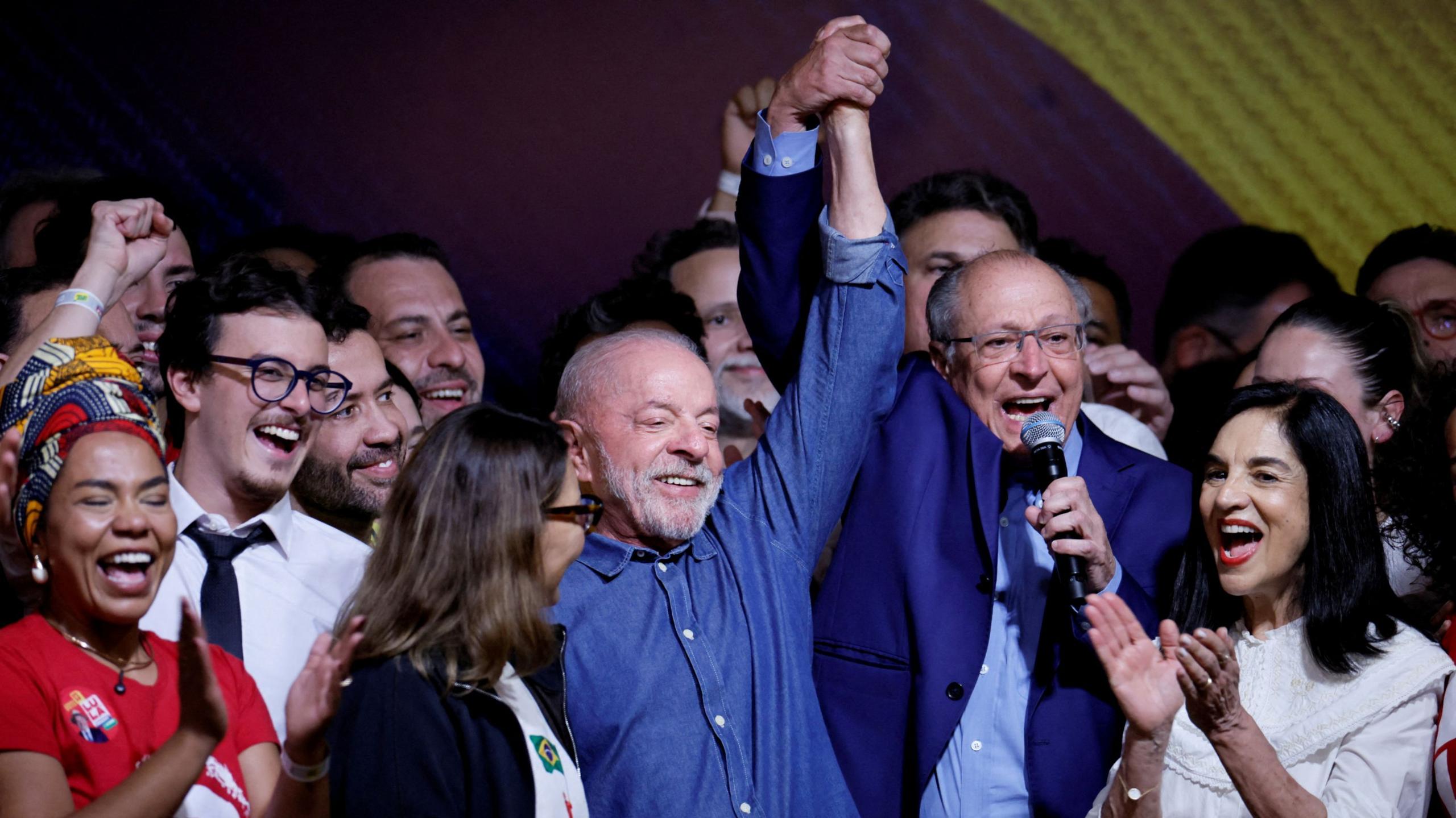
Lula addressed jubilant crowds, declaring the outcome a defeat for “negativity and lies” while calling for a renewed commitment to democracy. The right‑wing challenger, Flávio Bolsonaro—son of former president Jair Bolsonaro—denied the result, demanding an annulment and labeling the vote “inexplicable.”
Unprecedentedly, Brazil’s Supreme Court extended polling hours by two hours to accommodate voters who could not reach stations due to bus shortages in São Paulo and Bahia or heavy rain in southern regions. The extension, approved just as voting was set to close, did not affect the count, according to the court’s president.
Lula’s margin of victory—4.4 million votes—proved too large to contest. Electoral experts note that legal challenges to the result are unlikely given the decisive margin and fixed constitutional election dates.
Celebrated in São Paulo’s streets, Lula promised a “best term ever” that prioritizes listening to Brazilians. Vice‑President Geraldo Alckmin described his return as America’s second rescue of Brazilian democracy.
International reaction has been favorable, with leaders from the US, Europe and the global south extending congratulations. President Donald Trump, who has historically shown support for the Bolsonaro family, has yet to respond publicly.
As Lula’s term will extend until 2030, his ascension stands as a landmark moment for Brazil’s democracy and signals a broader shift in Latin America’s political direction.