ATLANTA (RTWNews) — The Georgia General Assembly concluded its annual session early Friday without devising a plan to upgrade the state’s voting equipment by a crucial July deadline, jeopardizing the electoral process ahead of the November elections.
This legislative failure raises significant concerns about how residents will cast their votes and hints at potential conflicts that may require judicial intervention or a special session.
Representing the Democrats, state Rep. Saira Draper criticized the Republican-controlled legislature, stating, They’ve abdicated their responsibility.\
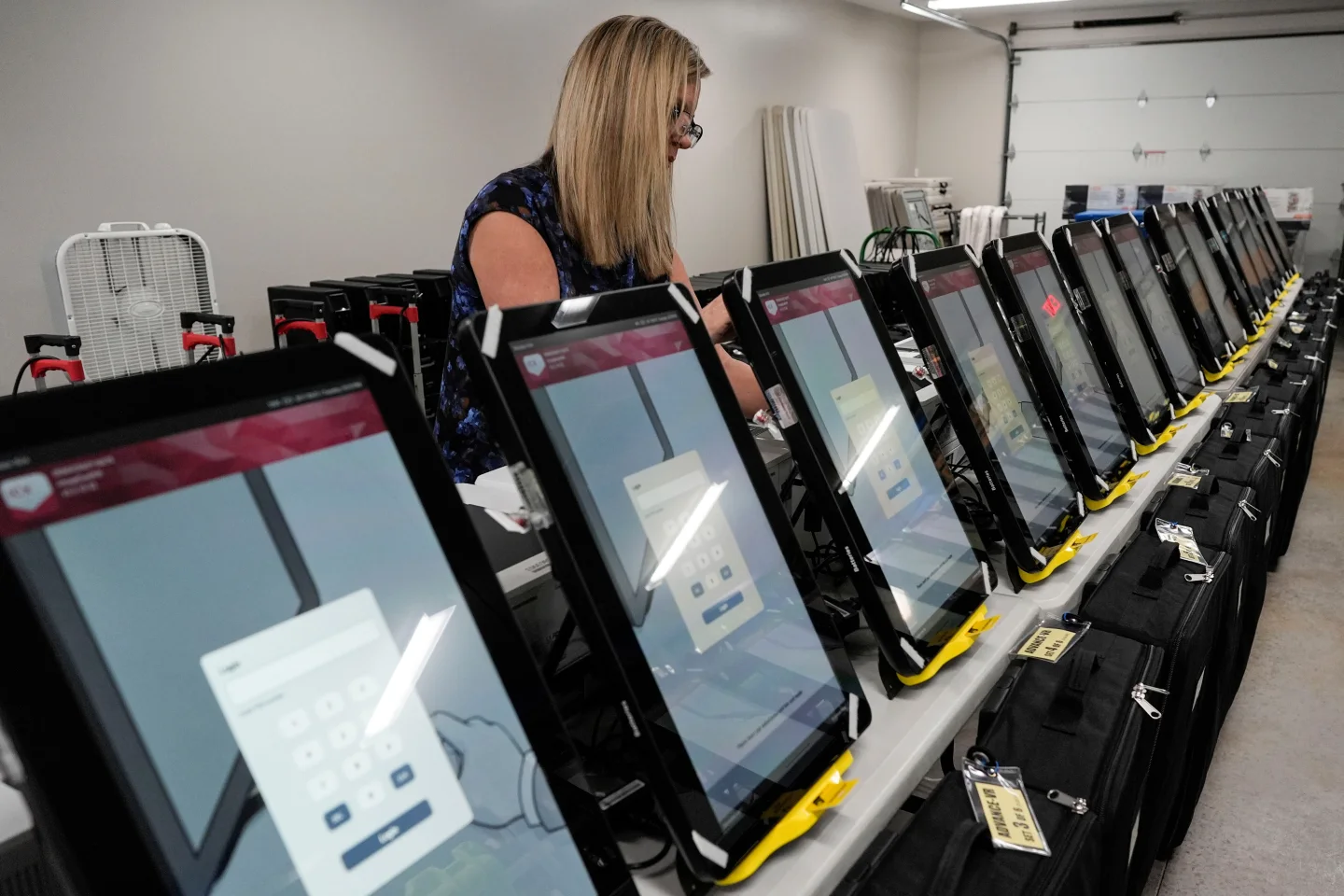
Voters currently utilize Dominion Voting machines that print ballots with QR codes, which have come under scrutiny following former President Donald Trump’s allegations surrounding the 2020 election. In response, Georgia Republicans enacted a ban on QR codes for counting votes starting in 2024.
Despite this legal shift, current state law mandates that counties continue to utilize the existing machines, with no allocated funds for their reprogramming. Lawmakers failed to reach a consensus on the necessary equipment replacements.
House Governmental Affairs Committee Chairman Victor Anderson noted, We’ll have an unresolvable statutory conflict come July 1, as he advanced a proposal to extend the use of current machines into 2026, which Senate Republicans chose not to consider.
Participants in the legislative process had differing focuses, with Democrats asserting that legislators were more preoccupied with political maneuvering rather than meeting the needs of Georgia voters.
Election officials await further guidance from the Secretary of State's office and may turn to judicial rulings for direction as they prepare for the approaching elections.
Without corrective measures from state lawmakers, the possibility remains that Georgia might revert to hand-marked, hand-counted paper ballots this fall, presenting numerous logistical challenges.
As tensions mount over political accountability, election supervisors across Georgia emphasize the critical need for practical legislative cooperation for the implementation of effective voting procedures.