ATLANTA (RTW News) — In a bold move highlighting shifting political currents, the Georgia House, under Republican control, has passed a bill mandating that local candidates in the core Atlanta counties run for office without party affiliation. This legislation emerges as a response to Democrats' consistent electoral success in key jurisdictions within the swing state.
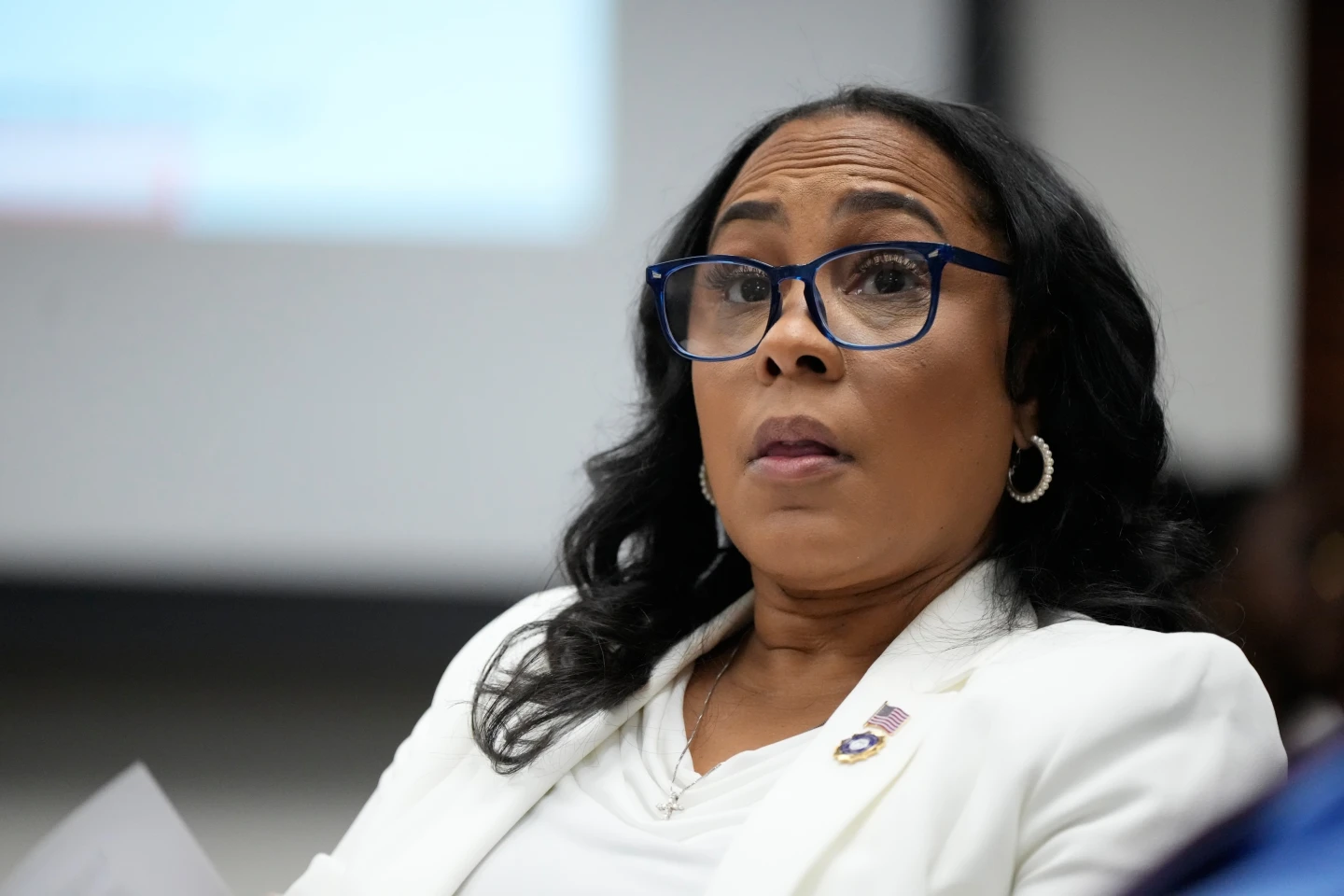
Passed on Friday, this bill impacts elections in Fulton, Clayton, Cobb, DeKalb, and Gwinnett counties, areas where Democrats have built substantial footholds. District Attorney Fani Willis, noted for her prosecution of former President Donald Trump, becomes a central figure in Republican critiques.
State Senator John Albers, advocating for the bill, claims it will enhance public safety by removing partisan labels from elections. Yet, the measure has sparked deep political divides, with opponents branding it as an attempt to rig elections and favor Republican candidates.
While the legislation stipulates nonpartisan elections for various local offices, including district attorneys and county officials, sheriffs will continue to be elected under party labels. Democrats criticize the initiative, alleging that it is a cynical move designed to mask partisan motives.
Democratic Representative Gabriel Sanchez characterized the proposal as an attempt to obscure the Republican party's declining influence in these populous areas, stating, There’s a certain side that’s losing elections in these counties, so they want to hide behind a nonpartisan badge in order to win them. The measure has further underscored ongoing tensions, as it signals a profound strategic shift amidst Georgia’s evolving political landscape.
Governor Brian Kemp’s office has not clarified whether he will support the bill, which is set to take effect in 2028. This development, alongside the backdrop of multiple previous initiatives targeting district attorneys, particularly Willis, presents a complex narrative of power and representation in Georgia’s political fabric.
With the approaching elections, this legislative move could embolden Republicans facing challenges in traditionally Democratic strongholds within the state.