In brief
Cahokia Heights, a predominantly Black city, experiences recurrent flooding and untreated sewage issues that compromise health and safety. Residents like Yvette Lyles have struggled to cope with the monetary and emotional toll of living with aging infrastructure. Government funding cuts, particularly during the Trump administration, have hindered efforts for repair and improvement. The situation is exacerbated for many in low-income areas, with advocates highlighting the urgent need for federal intervention and support.
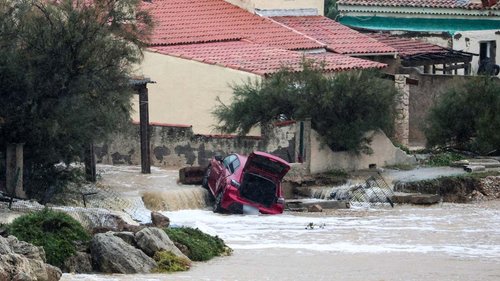
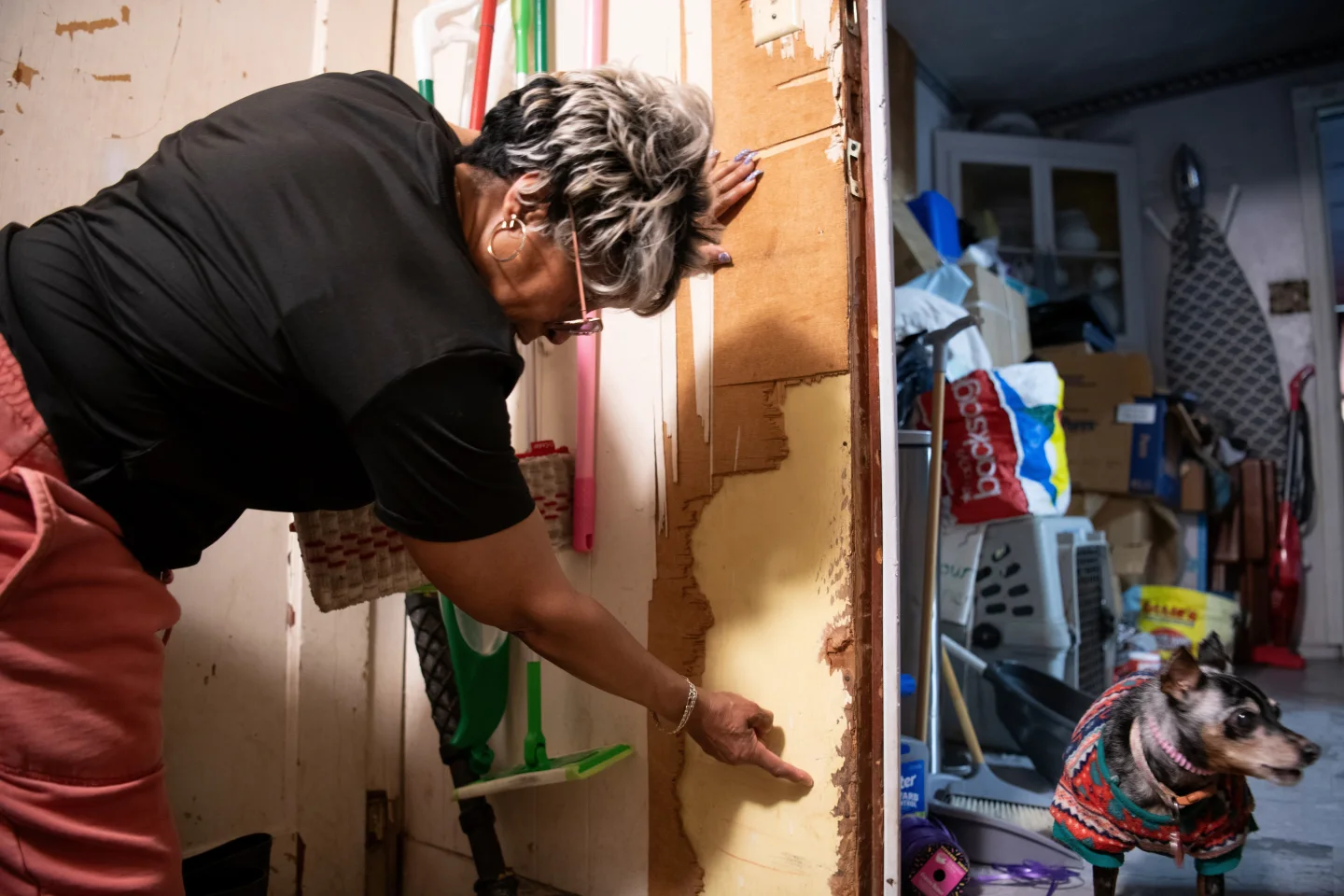
CAHOKIA HEIGHTS, Ill. — Yvette Lyles had envisioned her modest brick ranch home as a family holiday gift, close to a state park where her children could make cherished memories. However, her dreams quickly drowned under the reality of relentless floods that brought untreated sewage into their streets and homes, leading to damaged floors and ruined possessions.
“I had to turn my back so my children wouldn’t see me cry,” Lyles shared, recalling her family's struggle to stay safe during severe flooding incidents.
Located near St. Louis, Cahokia Heights is a city of nearly 1,800 residents, approximately one-third of whom live below the poverty line. Unfortunately, recurrent flooding is not just an inconvenience; it is a severe public health hazard. The sewage that seeps into homes and yards can lead to serious illnesses, a grim reality faced by many families in communities with aging wastewater systems.
The city is among many across the nation confronting dire piping issues and inadequate infrastructure. While billions in grants were promised by the Bipartisan Infrastructure Law, recent political maneuvers have seen many of these funds either canceled or redirected. The fallout from these decisions further threatens vulnerable populations who lack resources to address local infrastructure problems.
Difficult conditions are evident in city records which show that at least $41 million in funding has been either spent or requested in efforts to fix sewer problems, with estimates that at least $30 million more is required to upgrade systems.
Despite the legal and financial struggles, city officials are attempting to divert floodwaters and tackle sewage backups. However, ongoing financial difficulties exacerbated by policy shifts create obstacles for the city's improvement initiatives.
Healthcare issues linked to these environmental concerns cannot be overlooked. Some residents have reported infections from bacteria related to sewage exposure. The public health implications grow alongside diminishing repair capabilities as federal support wanes.
As the struggle for adequate infrastructure continues, advocates for environmental and social justice emphasize that solutions must prioritize communities like Cahokia Heights. The urgent need for reinvestment in these areas remains, as leaders call for the restoration of vital funds and the reestablishment of supportive programs canceled under previous administrations.