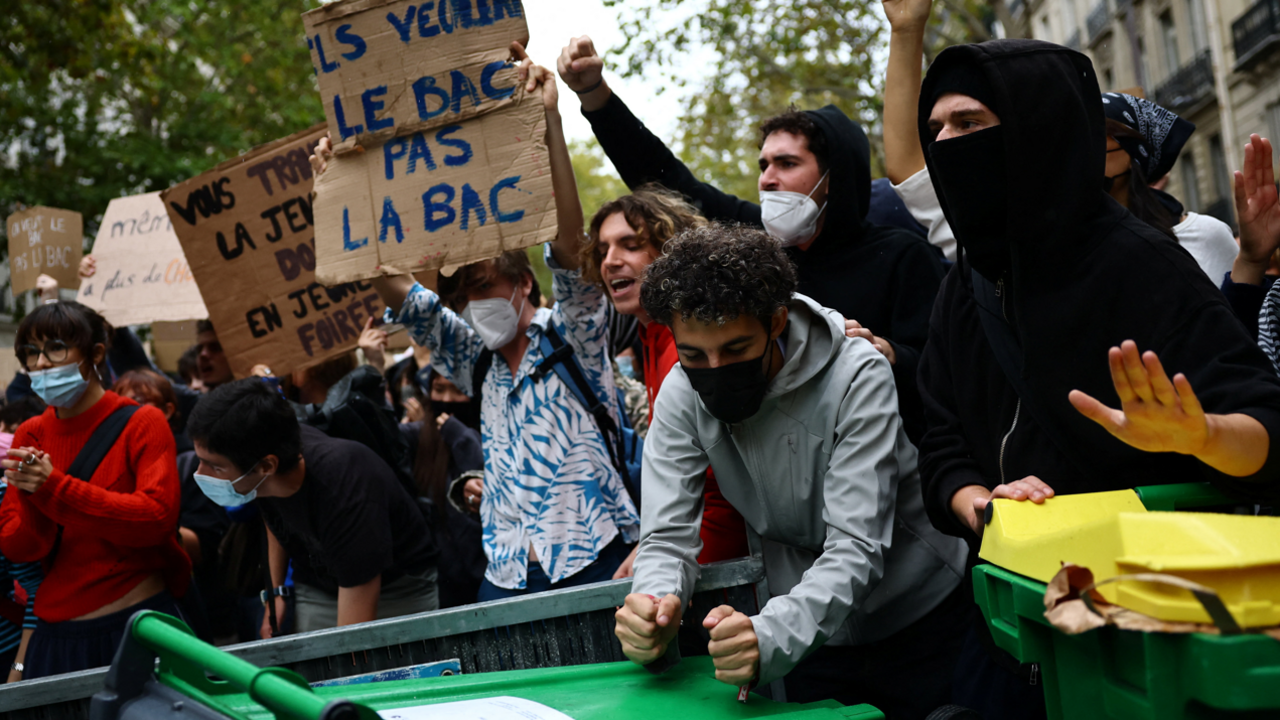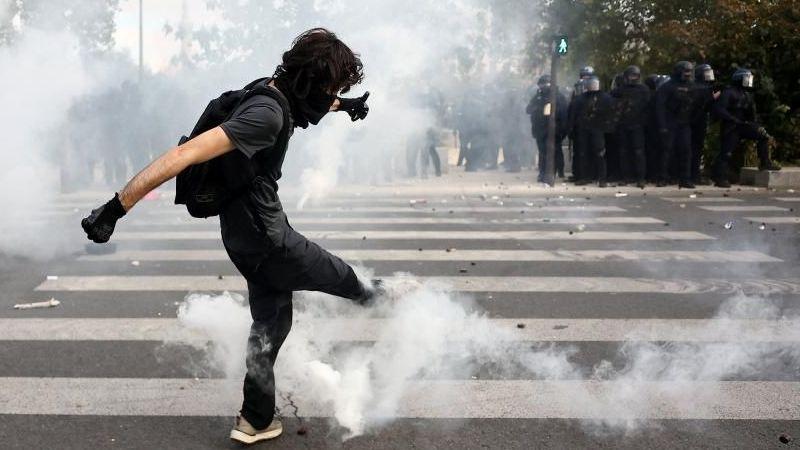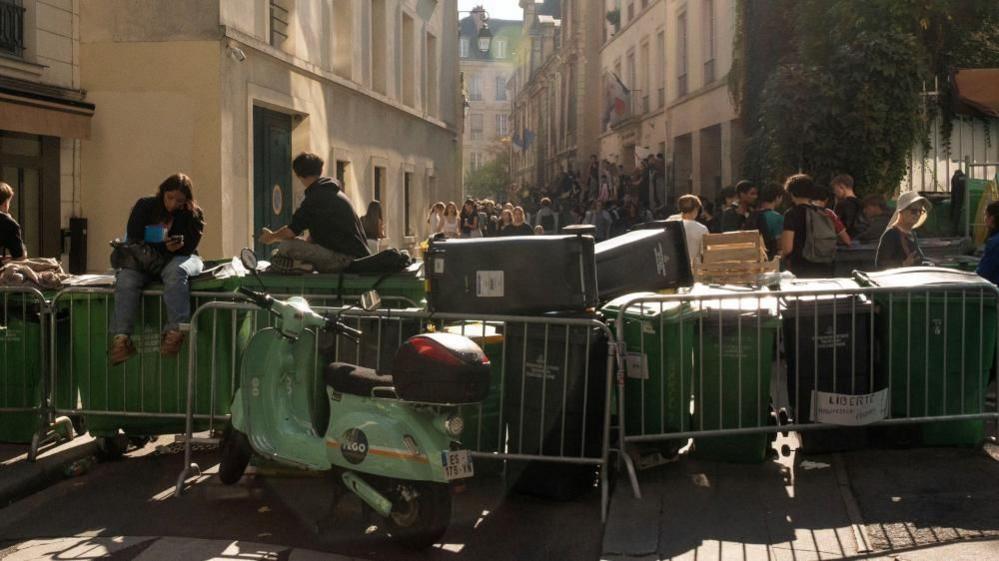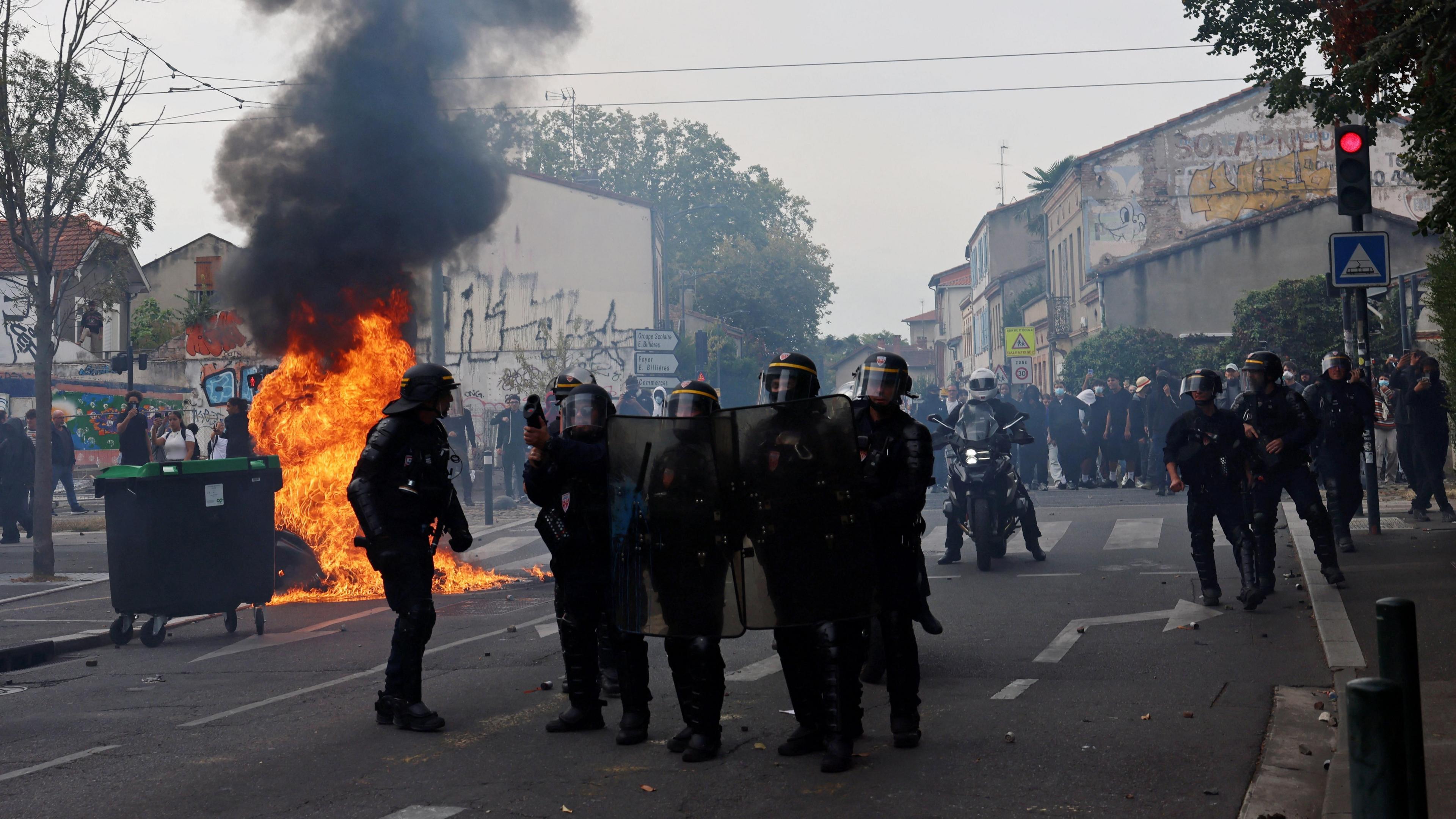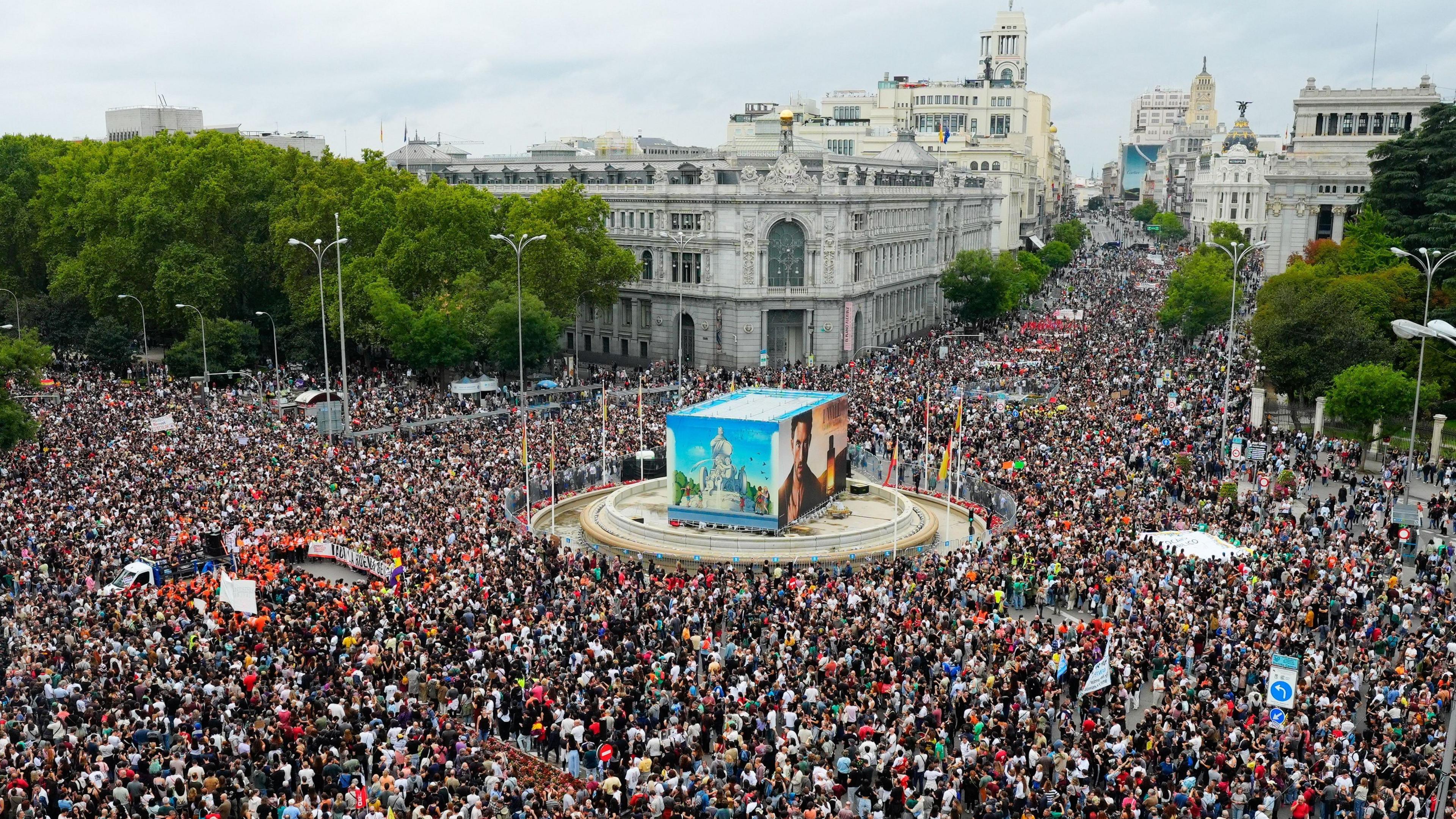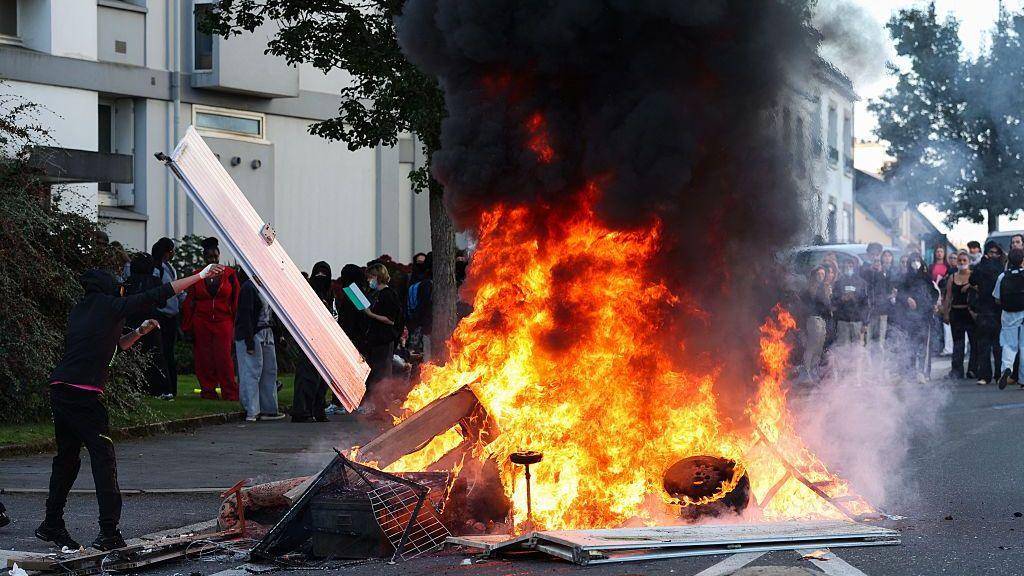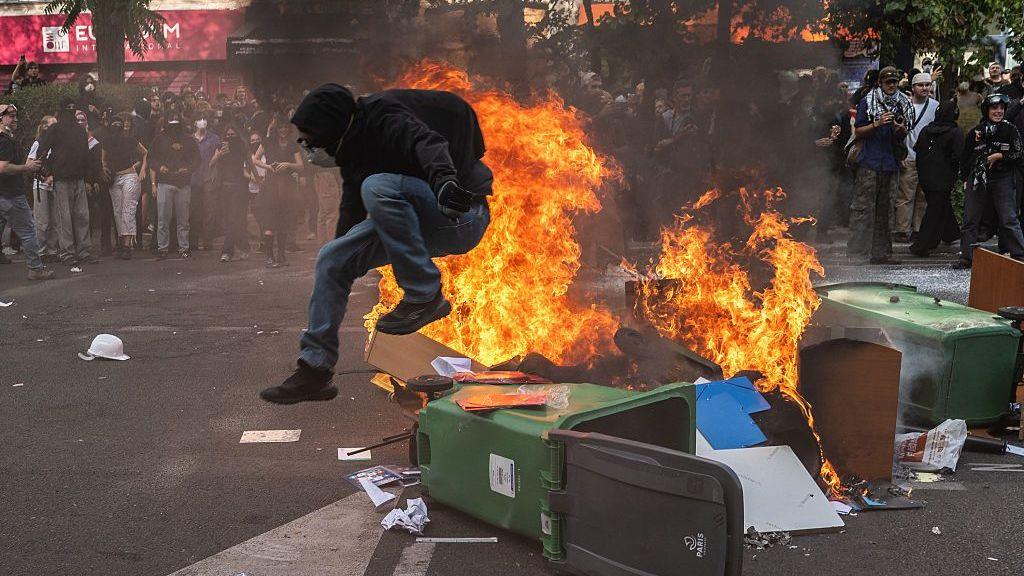
In October, the streets of Lille and Paris were set ablaze by a sea of students who were fed up with overcrowded classrooms, dilapidated facilities and the chronic shortage of teachers.
A 16‑year‑old spoke about having to find a chair every class and the frustration of a school lunch meant only for 50 students while 2,000 children waited – a vivid illustration of the crisis that has sparked the protests.
Massive numbers marched – the government claimed 250,000 while unions put the figure at half a million – arguing that a rare 60‑minute lunch break should be a right, not a privilege.
Teachers step into the front line
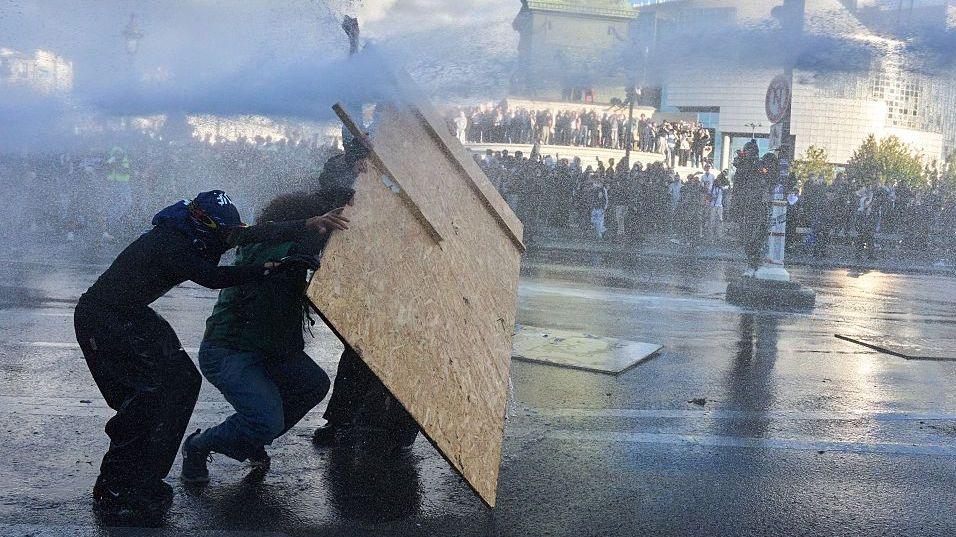
Secondary school teacher Marine Monins unfurled a laminated timetable showing day‑long school sessions broken by long pauses that taught little, demanding full staffing and better teaching conditions. She and other teachers joined their pupils in the barricades, joining the chant that “the masses have the power” against the “armed forces” that pushed back.
The protests have flourished across the country, from Lyon to Marseille. Record footage of rats in corridors, broken toilets and mouldy ceilings circulated on TikTok, providing stark visual evidence of the infrastructure break‑down.
Government offers a brief cease‑fire
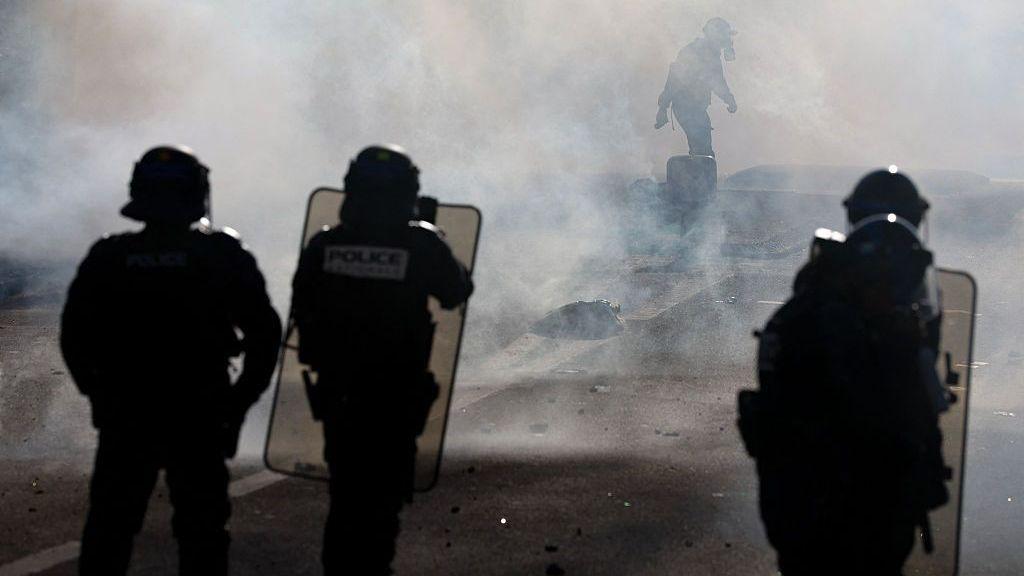
Prime Minister Sébastien Lecornu announced a promise of 3,000 extra supply teachers and a plan to “unveil a response” by the end of October. Yet the move has been met with scepticism at barricaded gates, as the politicised police use flash‑balls, tear gas and batons, with some wounded students and teachers.
The unrest shows beyond the school front: political leaders on the hard left and hard right, including Marine Le Pen and Jean‑Luc Mélenchon, see the protests as a rallying point. While some politicians claim the protests mirror the 1968 movement, they risk stoking further polarization as the next presidential election approaches.
The debate that has erupted in busyness – expensive new classrooms, payment for breaking litter, and the cost of debt – has turned the deep fight over public education into a reflection of France’s broader political chasm.
The protest marches, now in full force, demonstrate that the youth of France insist on speaking up, while the adult animation within society battles to understand their demands without stalling the pace of reform.