France’s School Protests: The Roots of a Nationwide Blaze
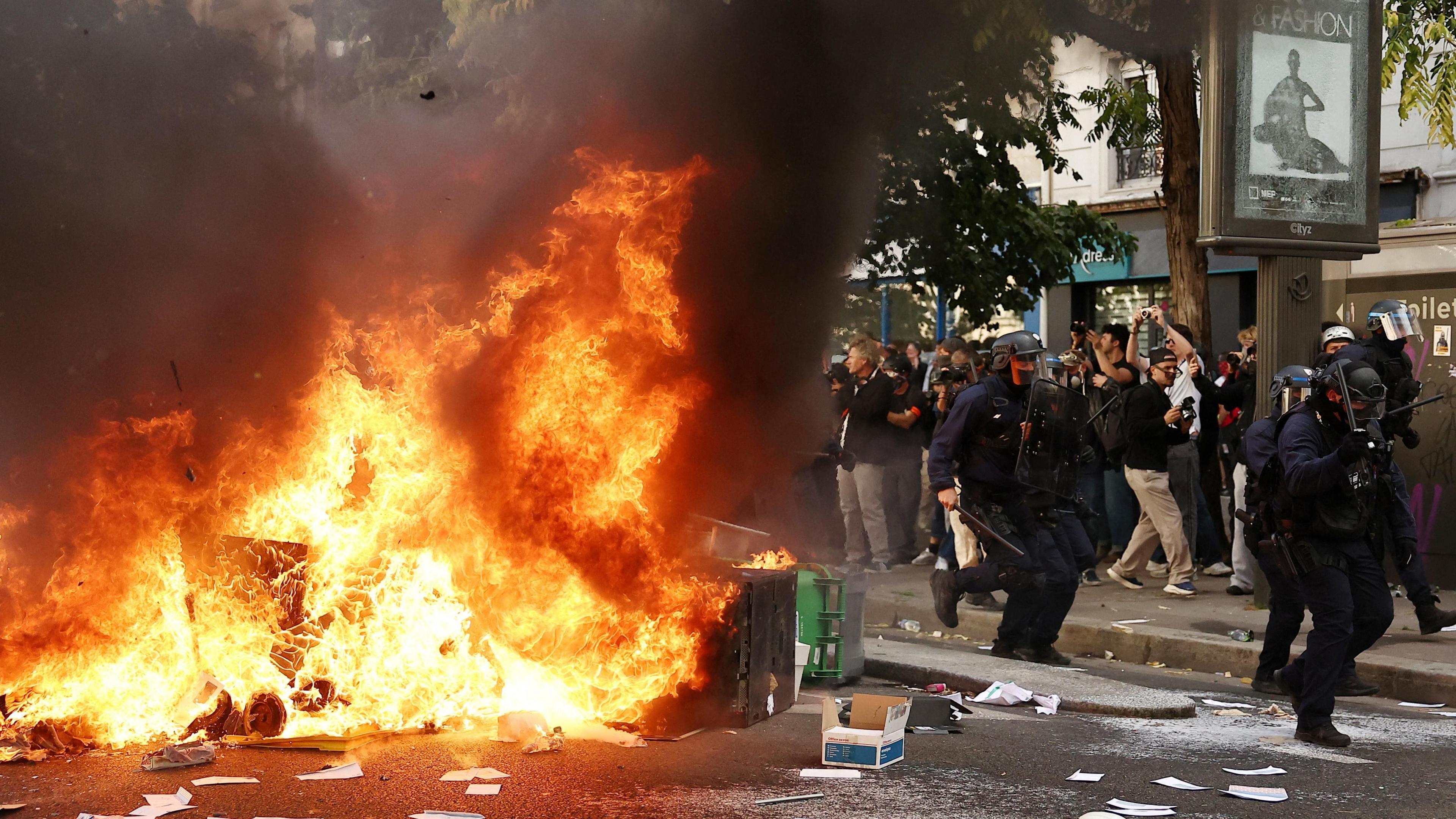
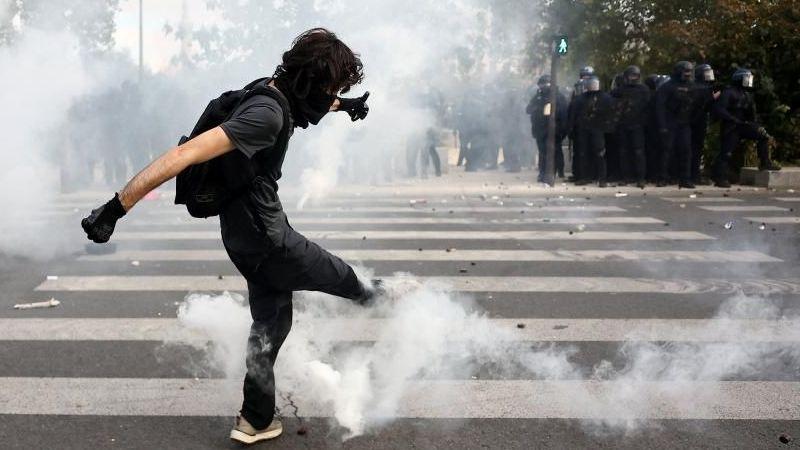
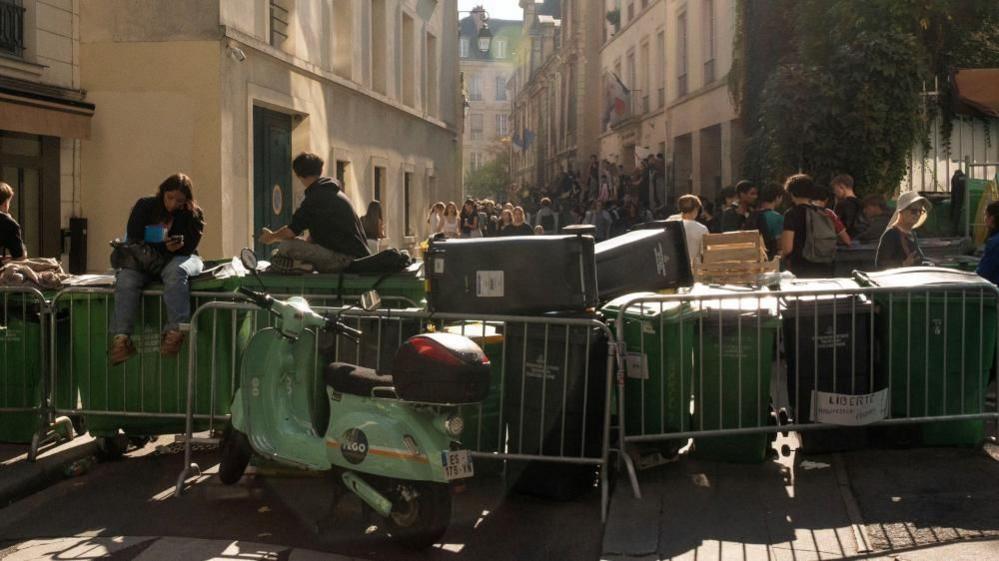
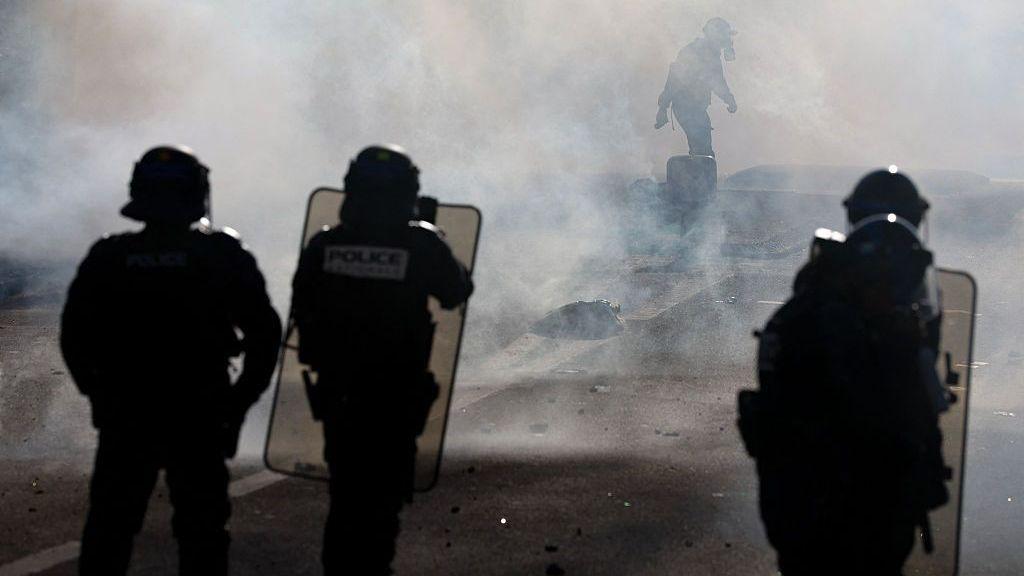
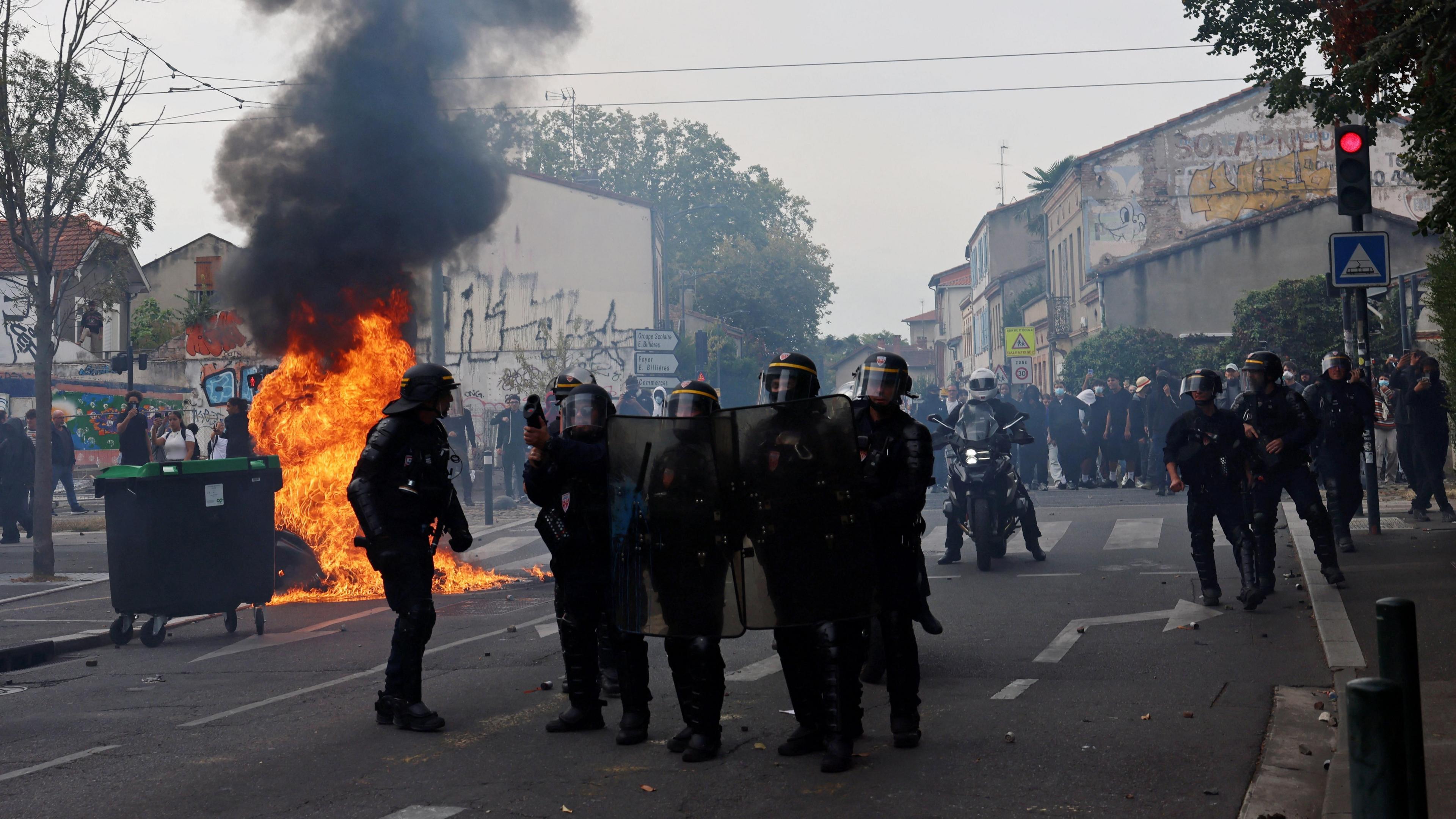
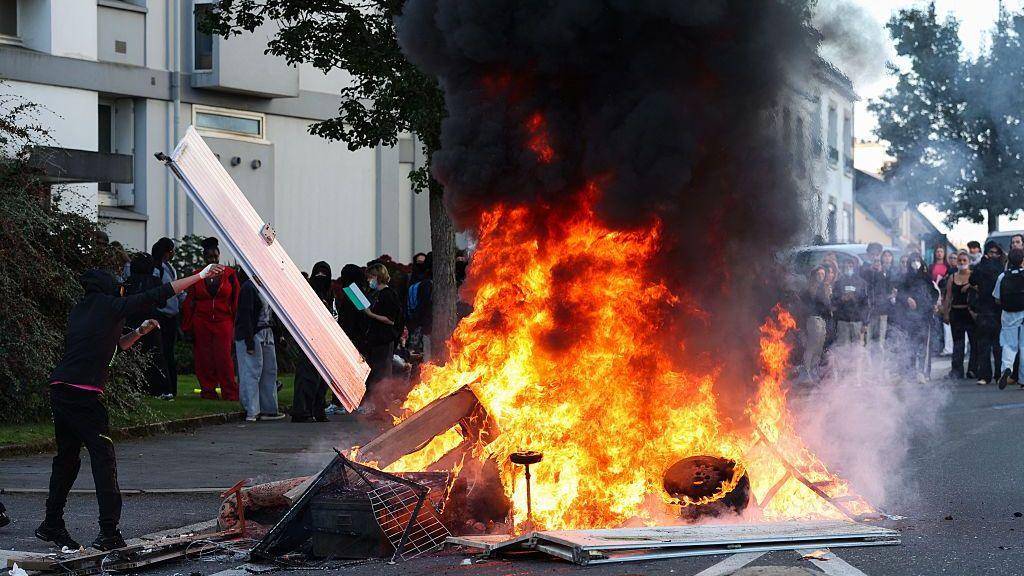
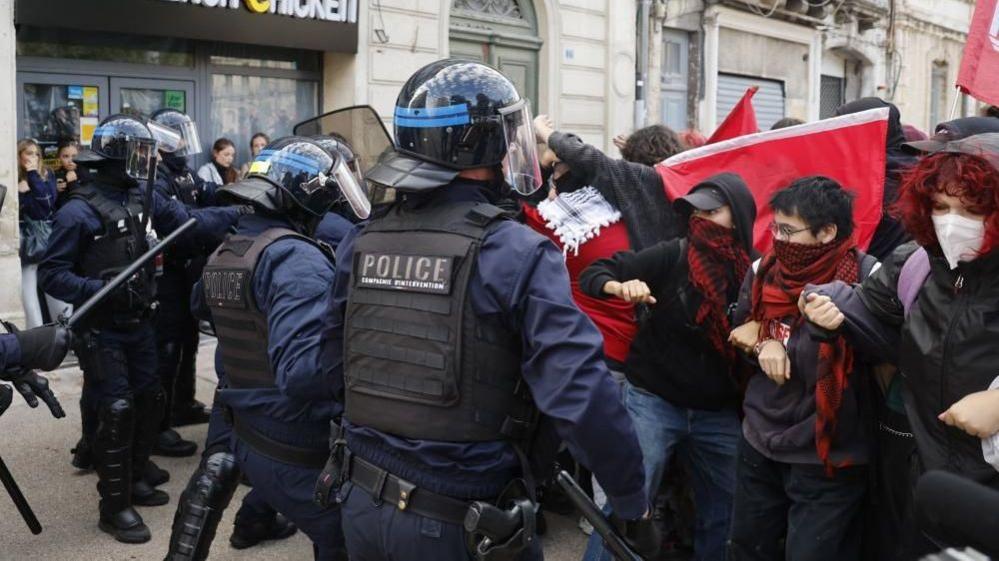
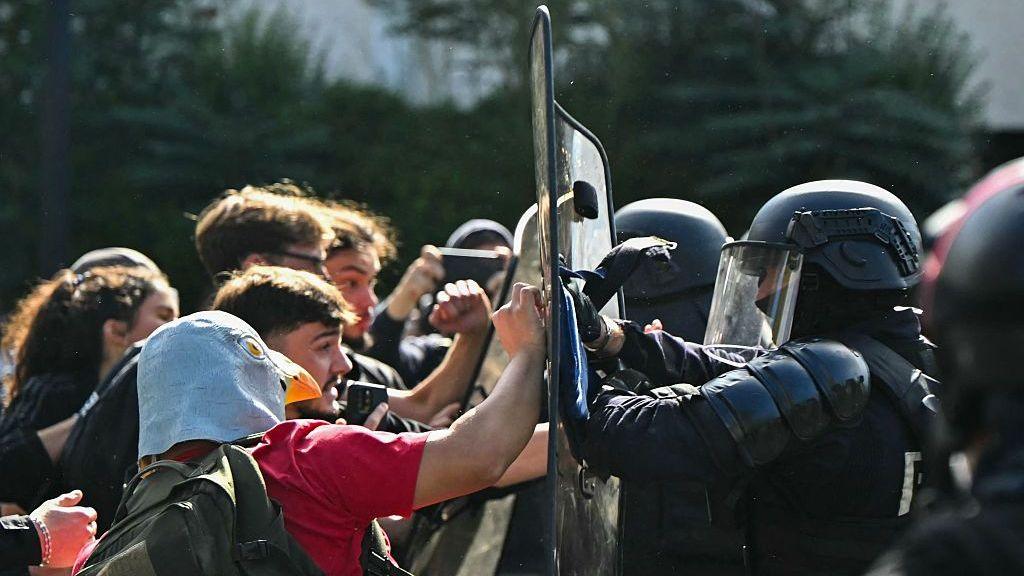
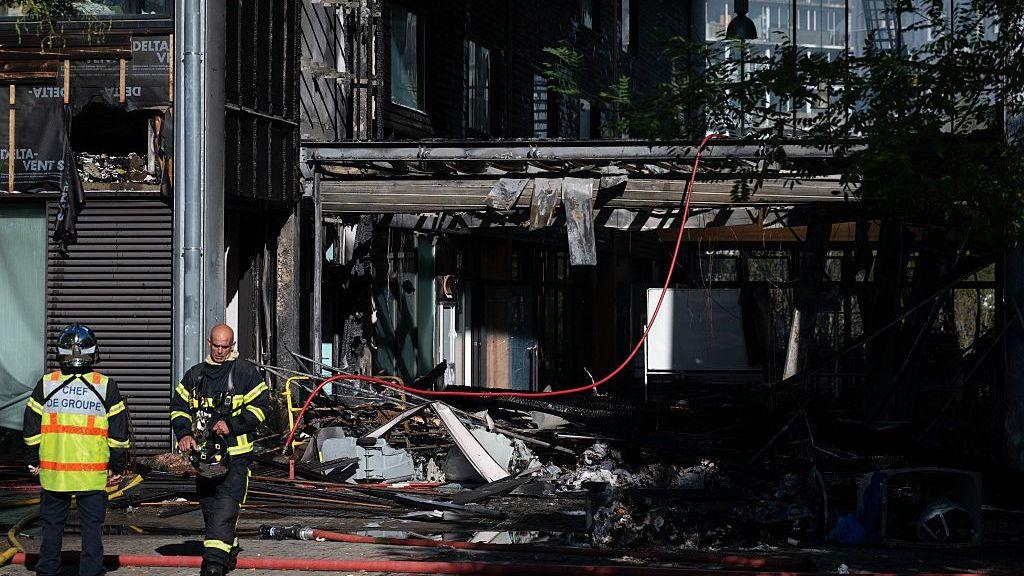
Since late September, students across France have taken to the streets to protest inadequate funding for schools, chronic teacher shortages and an opaque national admissions platform called Parcoursup. The movement has sparked violent clashes, with hundreds of students, teachers and police officers injured and over 500 people arrested for blocking entrances to more than a thousand lycée buildings.
One voice that has emerged is that of Madalena, a teenager in Paris, who told the BBC that her teachers are absent for weeks un‑replaced and that her school’s cramped rooms are “boiling hot” during the recent heat waves. Older complaints include bans on mobile phones and daily schedules that end at 6 p.m., leaving pupils without time for sleep or homework.
Official data shows France spends more per lycée student than the EU average, yet teacher posts are increasingly filled despite low salaries. The length of the day is more a result of long lunch breaks than a substitute for holiday time. Still, these facts do not fully explain why the protests have become unprecedented in scale and intensity.
For more than half a century, a history of student activism in France has taught that street demonstrations can beat back ambitious government reforms. In 1998, 500,000 pupils marched across the country and secured nearly €1 billion for renovations and 14 000 additional staff. In 2006, blockades in universities saw the government scrap a law aimed at loosening hiring rules for young workers.
There is also a political culture in which demonstrators compete with elected officials for legitimacy. The 1968 student uprising is often cited when calling the current crackdown "unprecedented." Yet current polls show 72 % of the public view the students’ demands as legitimate and 55 % support the movement.
Prime Minister Sebastien Lecornu has described himself as the “weakest prime minister” in living memory, and his government faces a 5.4 % of GDP deficit and a debt level that has not since the 1940s. With teachers, unions and left‑wing politicians backing the demonstrators, the balance of power currently favors pupils, making the clash especially significant for the fractured French political landscape.