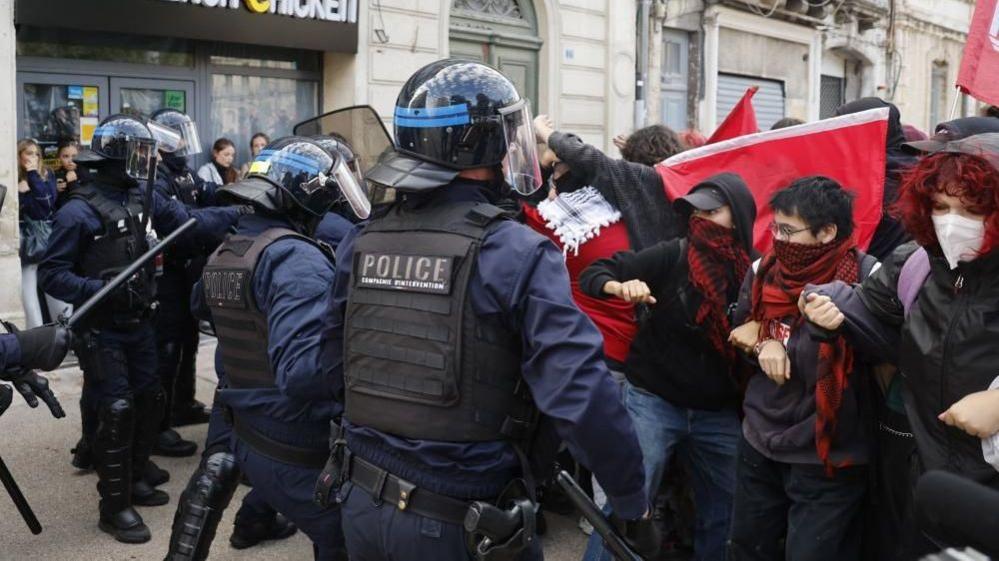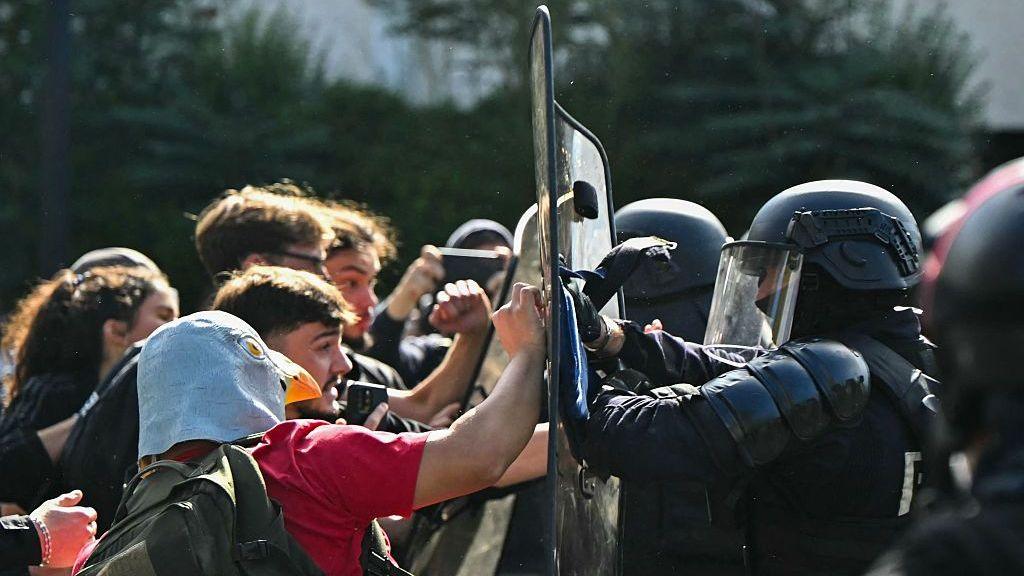

Since the end of September, students across France have staged blockades outside lycées to demand smaller classes, more teachers, better facilities and a decent learning climate amid a severe heat wave.
The first wave erupted in Seine‑Saint‑Denis, a low‑income suburb north of Paris, and the unrest has since spread to more than 400 schools nationwide, turning the streets into a battleground between pupils and police.
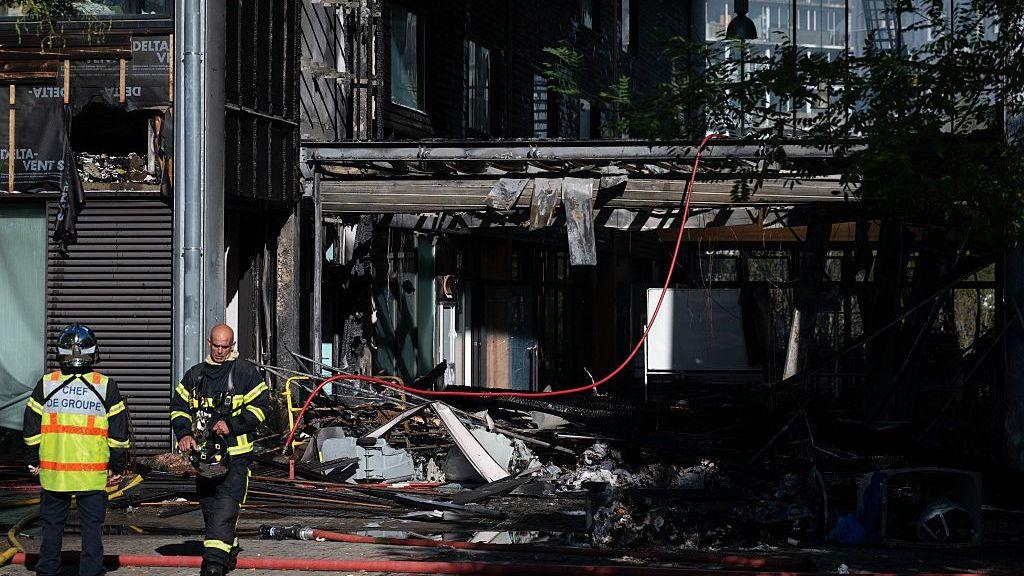
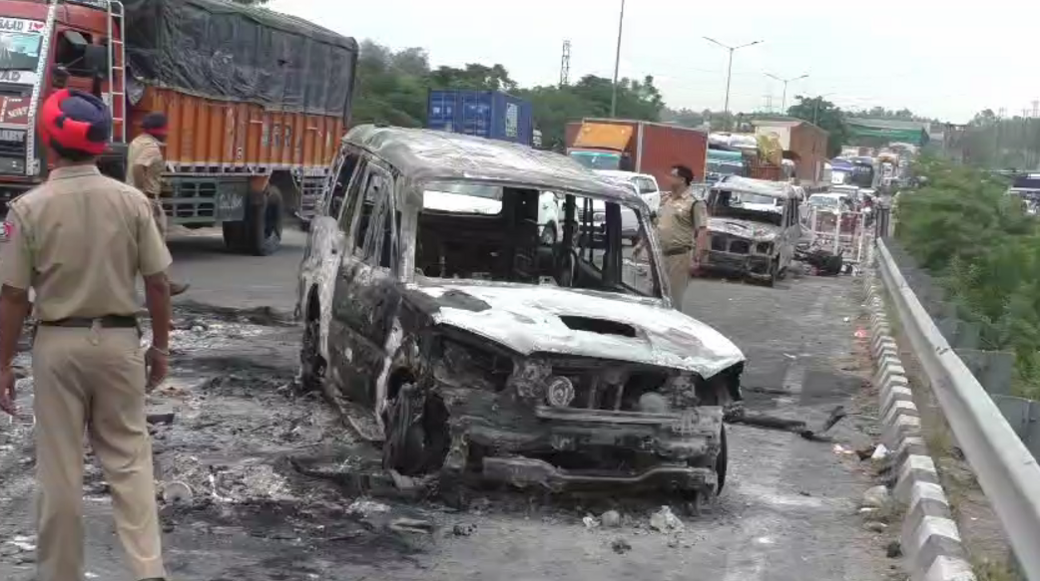
Police and emergency crews report over 300 incidents of violence; more than 200 students and 65 teachers, including 40 principals, have been injured in clashes that left several classrooms badly damaged and caused fire damage to school infrastructure.
Political observers say the protests are being amplified by far‑left unions and the France Unbowed party. Leader Jean‑Luc Melenchon has appeared alongside students, urging restraint while framing the movement as a fight for the future of French education.
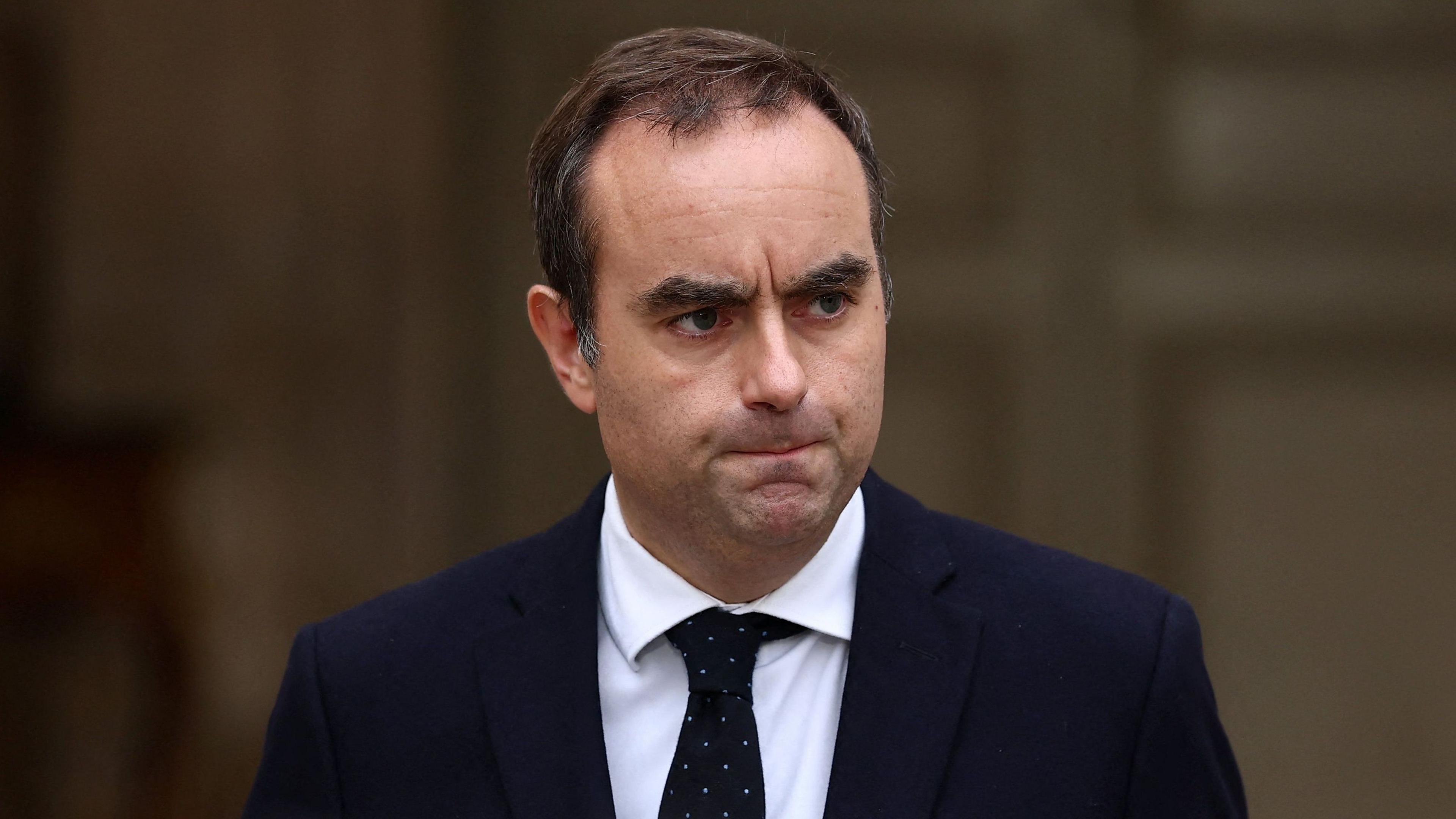
At the same time, Prime Minister Sébastien Lecornu’s latest budget proposes a €54 bn cut in public spending, a move that many fear will exacerbate the very problems the students are demanding be resolved.
As the presidential election looms, commentators warn that a flare‑up in student unrest could become a flashpoint for wider social division, pressuring incumbent parties to compromise or risk alienating a key demographic.