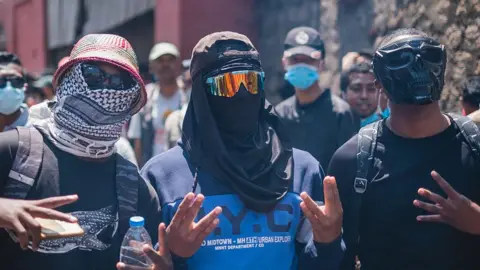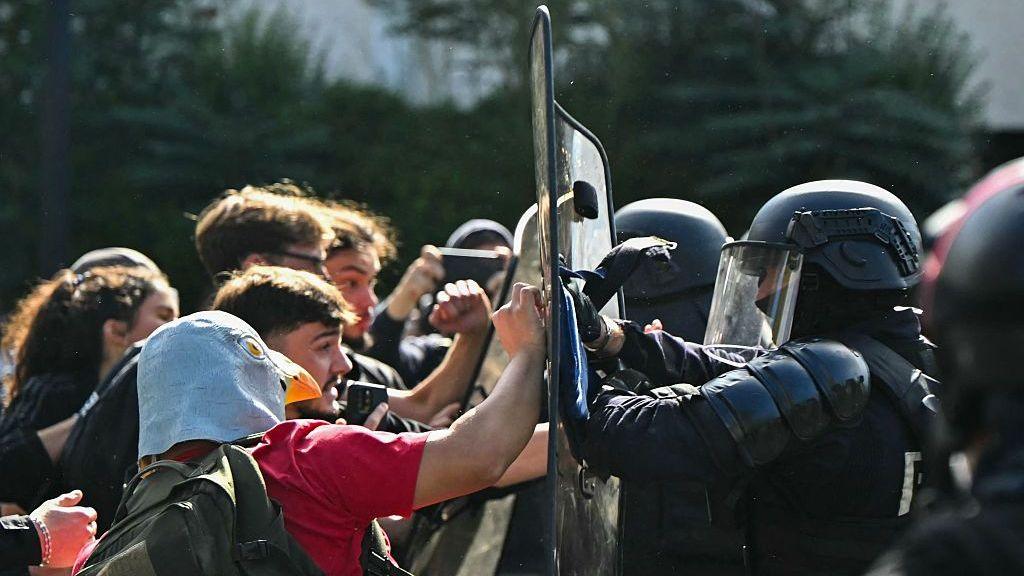

On 1 October, a wave of student protests, sparked in Péchap's Seine‑Saint‑Denis, surged across France, shutting down more than 400 lycées and drawing police, teachers and the public into a volatile confrontation.
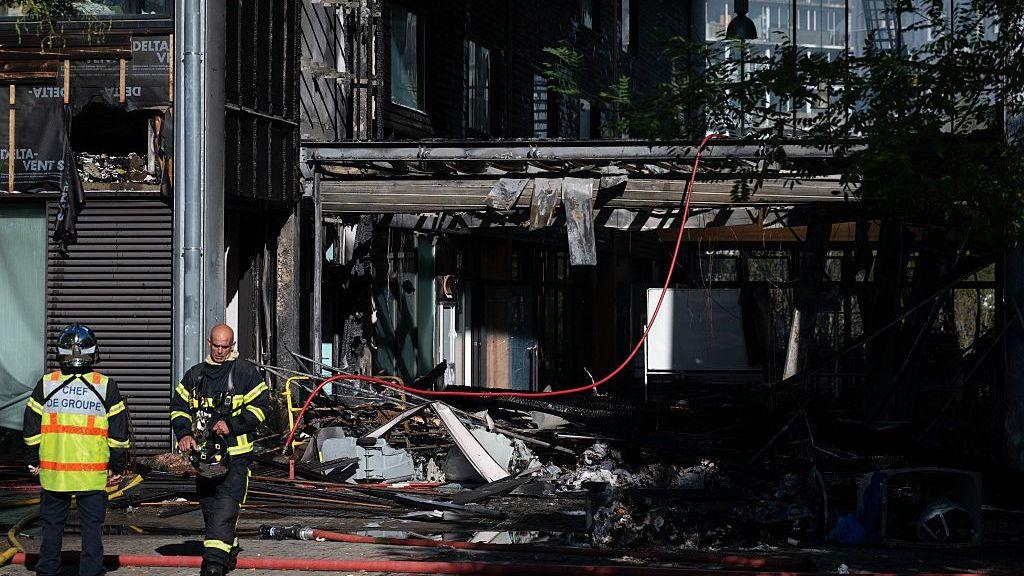
Frustrated by long teaching hours, overcrowded classrooms, a shortage of educators and uncomfortably hot learning environments, students have marched in dozens of cities, piling school gates with concrete and in some cases setting fire to rotting timber.
Education Minister Édouard Geffray told the Senate that 65 staff members, including 40 school heads, were injured, while police and firefighters have had to treat around 300 people for wounds and 2,000 students were taken into custody for the escalation.
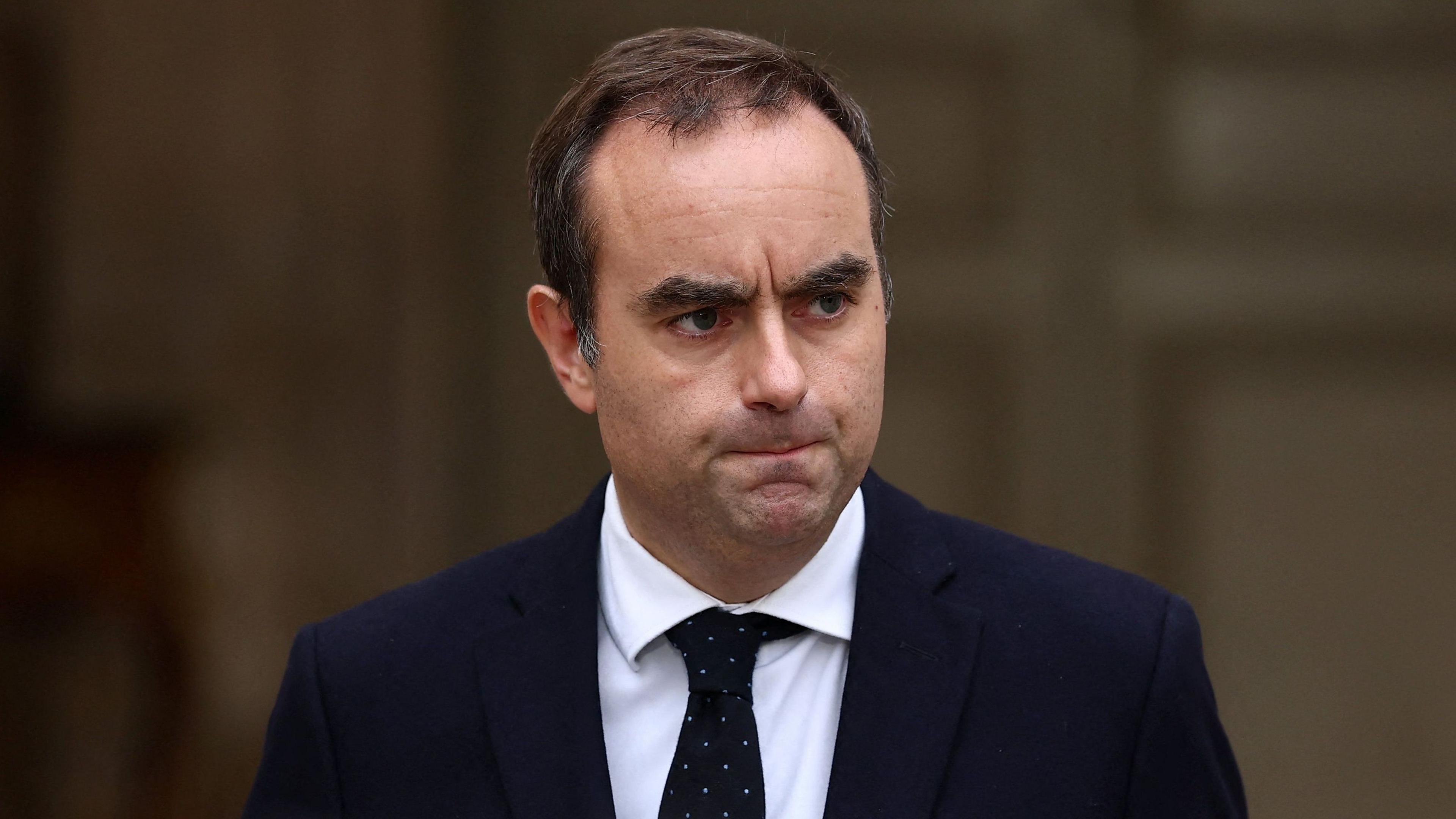
In the face of the unrest, Prime Minister Sébastien Lecornu has announced a significant fiscal tightening for 2027, hoping to curb public spending by 54 billion euros. The austerity plan comes as the president‑to‑be pushes the narrative that the “era of massive state largesse to calm social unrest” is ending.
Political commentators warn the turmoil may be staged by the hard‑left France Unbowed party. Raymond LFI leader Jean‑Luc Mélenchon has repeatedly voiced support for the student struggle, calling for restraint yet denying any intent to use the protests for political gain. Some observers argue that by aligning with the teenage masses, Mélenchon seeks to shore up his support among the 18‑24‑year‑olds who represent an under‑turned electorate yet could be the difference in the coming election against Marine Le Pen.
Meanwhile, the government stresses that the urgency has escalated because students demand more council‑funded resources – from additional teachers to upgraded heating systems – solutions that leaders say are far‑beyond the reach of the tightly balanced national budget. Whether these demands can be accommodated before the next elections, or whether the unrest signals deeper societal fault lines, remains a question that will shape French politics in the coming months.