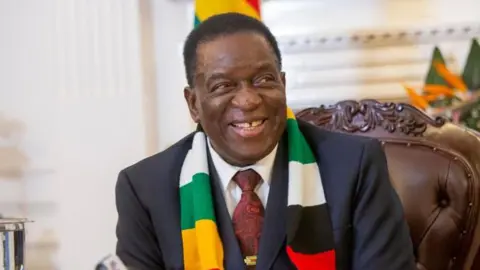
Zimbabwe Parliament Extends President’s Term to 2030 After Constitutional Bill
The lower house of Zimbabwe’s Parliament unanimously approved a constitutional amendment that lengthens presidential terms from five to seven years, allowing current President Emmerson Mnangagwa to remain in office until 2030.
A total of 216 lawmakers voted in favor, exceeding the 187 votes required for a two‑thirds parliamentary majority. Forty‑two legislators opposed the proposal, but the overwhelming support reflects the ruling Zanu‑PF party’s long‑standing campaign to extend its grip on power.
Key changes in the amendment include:
- Direct presidential elections are abolished, with the next president to be elected by Parliament.
- Both parliamentary and presidential terms extend from five to seven years.
- Upcoming parliamentary elections, originally scheduled for 2028, are postponed to 2030.
- These provisions effectively allow Mnangagwa, whose final term was due to end in 2028, to stay in power until 2030.
Mnangagwa, who seized power in 2017 following the ousting of Robert Mugabe, won contested elections in 2018 and 2023. The 2013 constitution had capped presidents at two terms and required a national referendum to alter term limits.
The bill’s passage has ignited debate, with opposition parties, civil society groups and constitutional lawyers demanding a referendum to legitimize such systemic changes. Critics warn the amendment risks eroding democratic accountability and consolidating executive power.
A legal challenge to block the bill was dismissed by the Constitutional Court on Wednesday, giving Parliament a clear path forward. The amendment is now slated for Senate approval, after which it is expected to be enacted by President Mnangagwa.
The reforms come at a time of heightened scrutiny over Zimbabwe’s democratic trajectory, with observers questioning whether extended rule will stabilize or destabilize the nation.