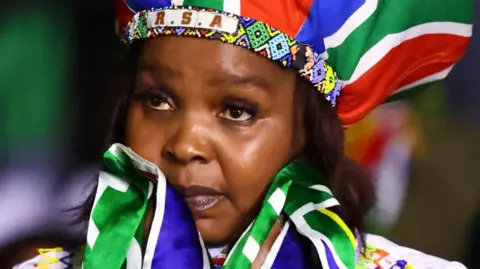
When South Africa fell 2‑0 to Mexico in the opening match of the 2026 World Cup, the country’s frustration spilled onto the social‑media stage. Instagram and X users from across the continent began posting caricatured Mexican flags, sombreros and mariachi music, turning their support for the Mexican team into a joke campaign aimed at the South African side.
The memes were light‑hearted on the surface, but they also revealed a darker current. In the weeks after the tournament started, anti‑immigrant attacks and xenophobic violence have surged in South Africa, with several African countries calling for stricter controls on foreign nationals living in the country.
One Twitter user said, "You want people to cheer for you when you play soccer just because we’re African?", while another posted, "We’re supporting Mexico so South Africa can go back home early to protect their jobs," echoing a widely shared myth that migrants are a drain on the South African economy.
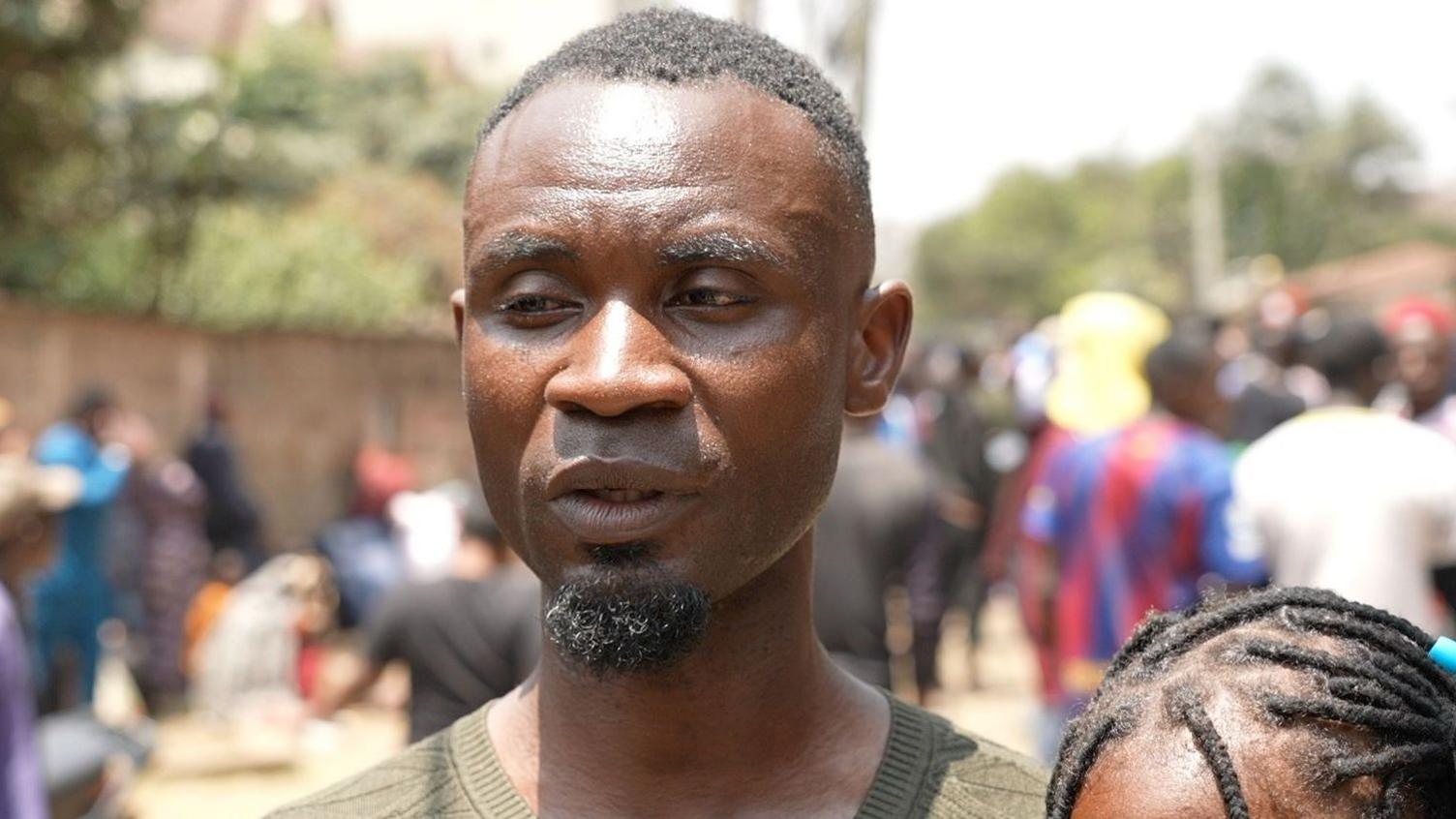
Yet not all African fans followed that line. Congolese supporter Daniel Kaniki told the BBC, “Africa is one country and if one is chasing others, we are not a family any more. That’s why I’m supporting Mexico today.” Conversely, Ghanaian Vanlare Quist stood behind South Africa, saying he was proud of his nation and blamed the anti‑immigrant sentiment on a few individuals.
In South Sudan, fans watching the game in Juba firmly supported Bafana Bafana, reminding themselves of their shared anti‑white‑minority struggle. Fourteen-year‑old student George Kenyi Charles Rehan said, "We are behind South Africa because they represent Africa. All African countries must support South Africa during this World Cup."
The South African government, via a statement from rugby‑club brass, praised the team’s “spirited performance” but acknowledged the 2‑0 result was not what the nation had hoped for. The government also praised the crew’s “unity, determination and pride” on the world stage.
South Africa’s post‑match response on social media was quick‑fire. One user bragged that the country “qualified for the World Cup alone” and threatened that “illegal immigrants will still leave our country whether you hate us or not.” Another replied, "They can support Mexico all they want we are not backing down. Come to South Africa legally."
These comments come amid a surge of xenophobic violence. The country has seen a spike in attacks against foreign nationals, with anti‑migrant groups setting deadlines for illegal migrants to leave by 30 June. President Cyril Ramaphosa warned that only authorised officials could handle the law, but he also acknowledged that the concerns deserved to be heard and addressed.
More than 30 per cent of the population is unemployed, and many people who came to South Africa post‑apartheid hope for better livelihoods. The migration crisis has made the social‑media environment a battleground for competitive national identity, with the World Cup match acting as a flashpoint for more entrenched anxieties.
Meanwhile, neighboring countries have already taken steps to repatriate their citizens. Nigeria repatriated some South Africans, and Ghana, Zimbabwe and Malawi have also fled populations amid reported threats and real violence.
As the rest of the tournament continues, South Africa still has two more matches to prove its mettle, while the continent debates the meaning of pan‑African unity and how the football arena can either divide or bring it together.