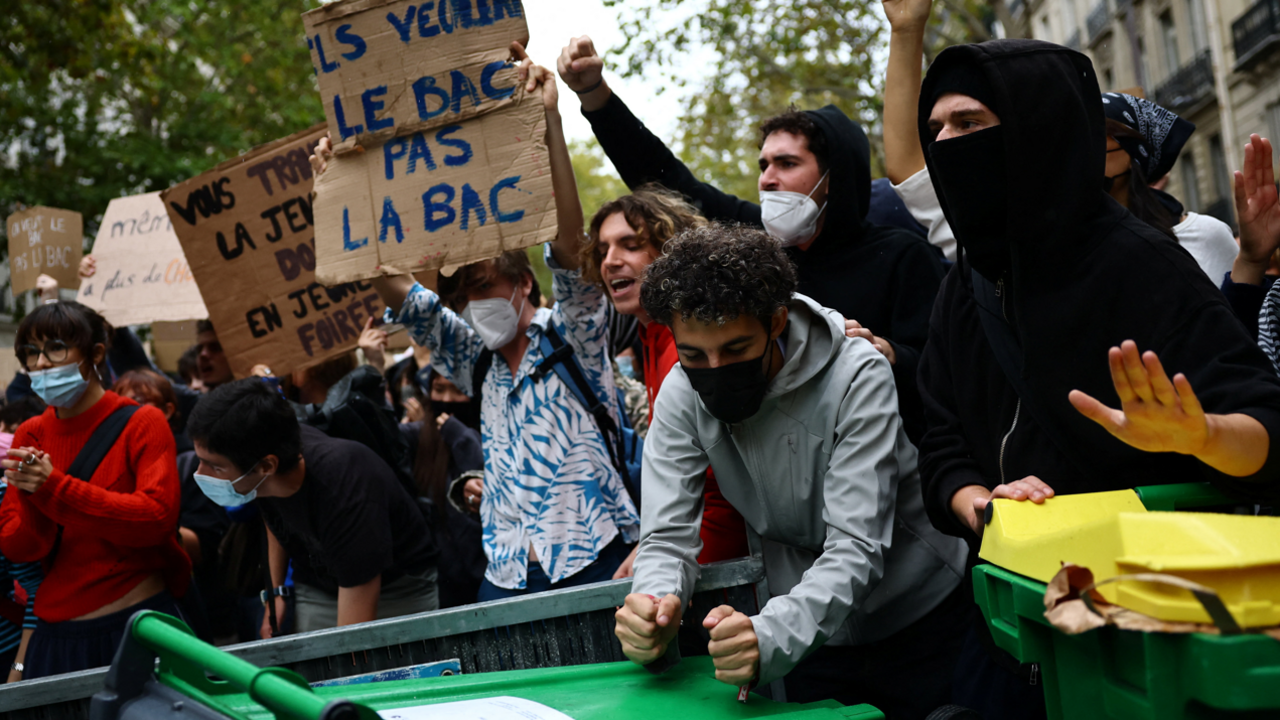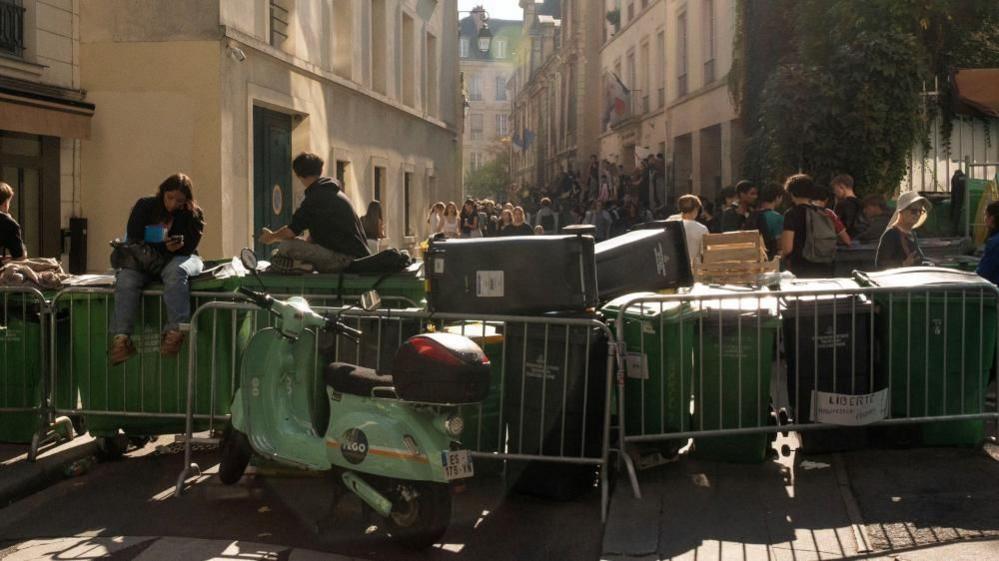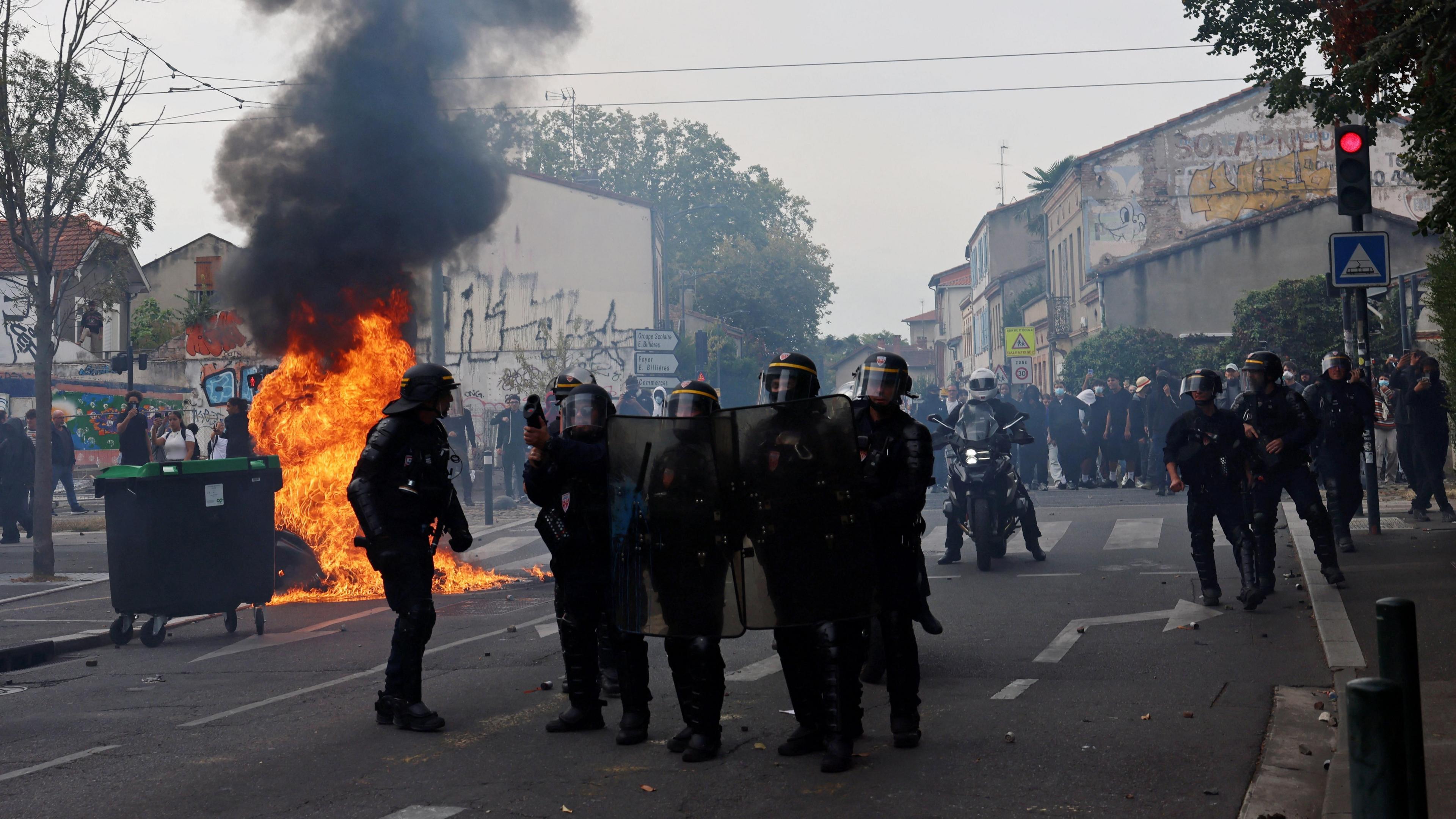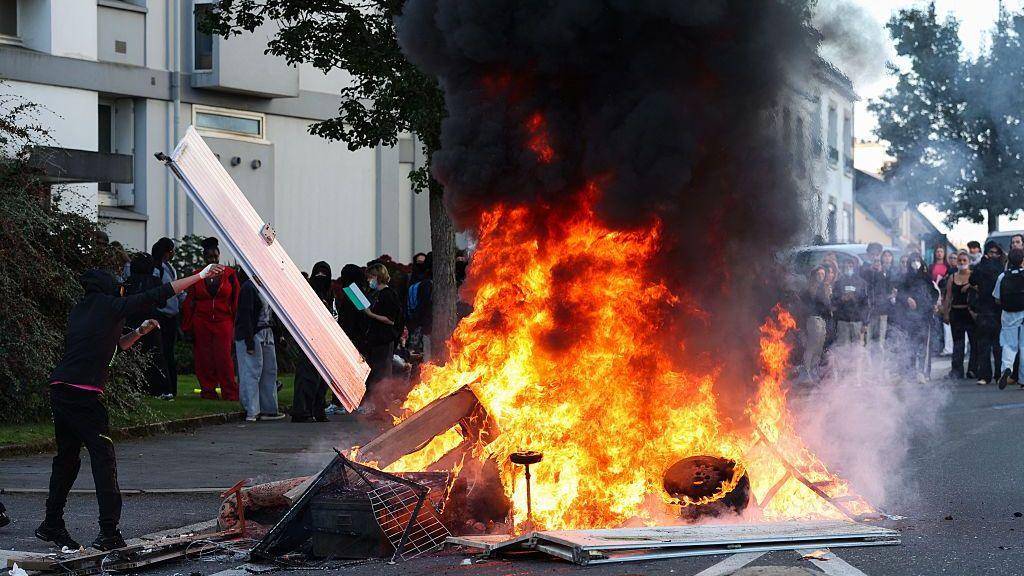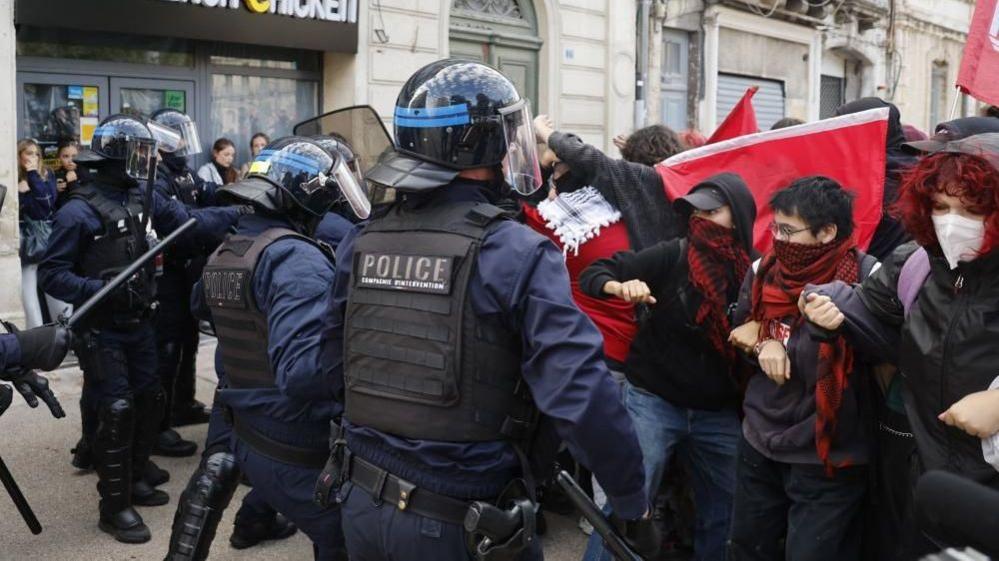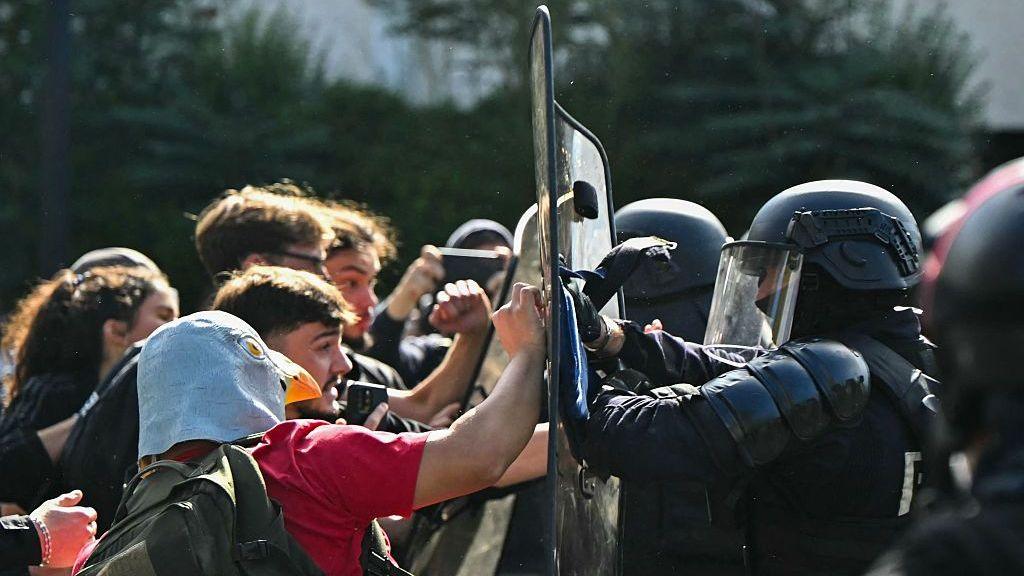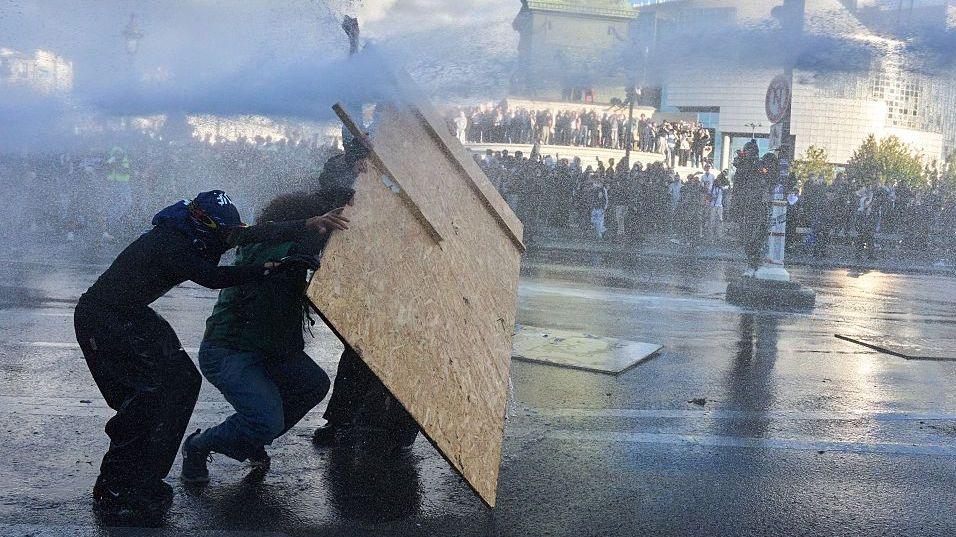
In a televised interview late Thursday night, Education Minister Edouard Geffray promised 3,000 new substitute teachers in an effort to calm a flurry of school demonstrations that have spread across France, from the bustling street of the Bastille in Paris to smaller towns in the south.
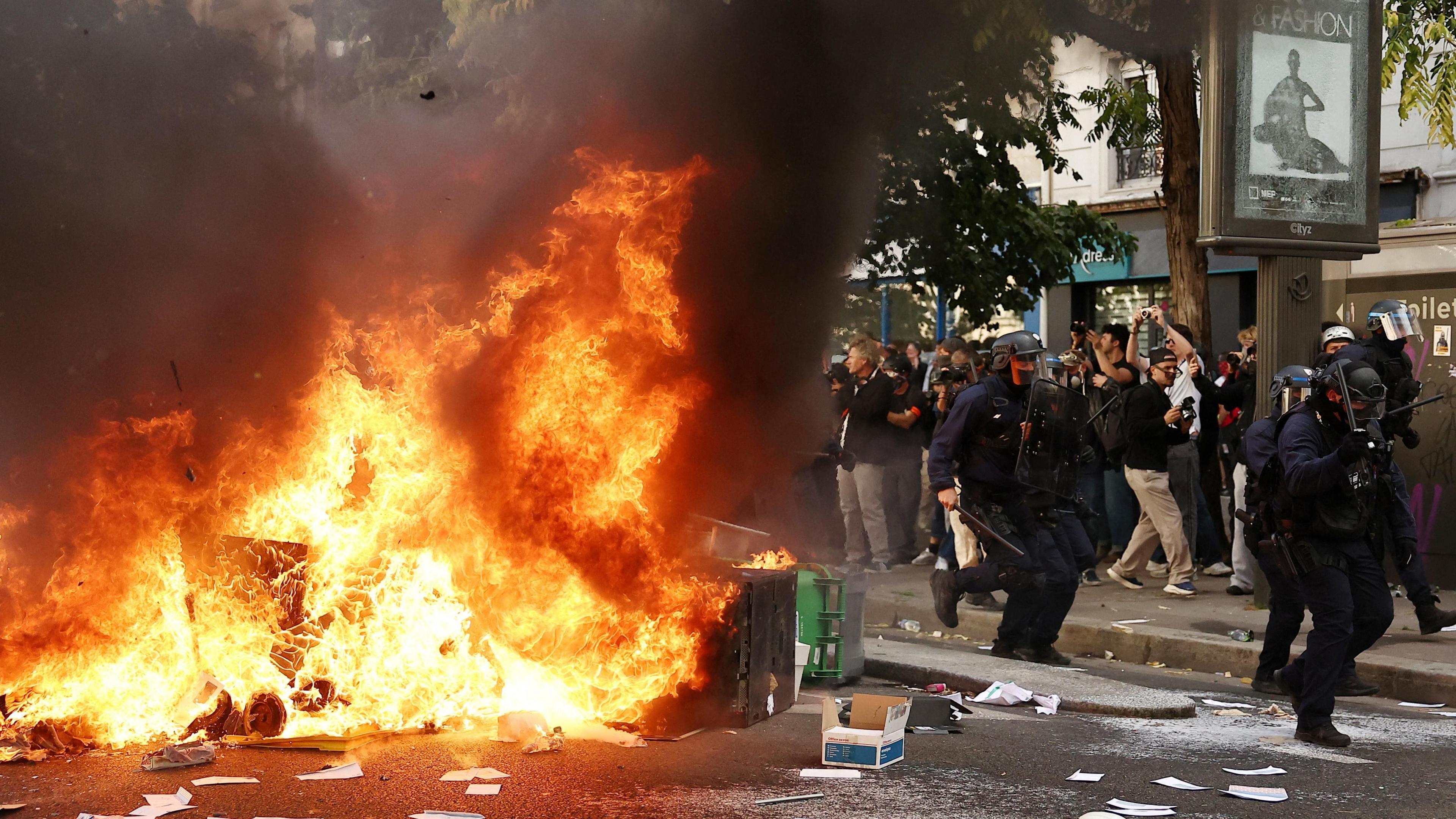
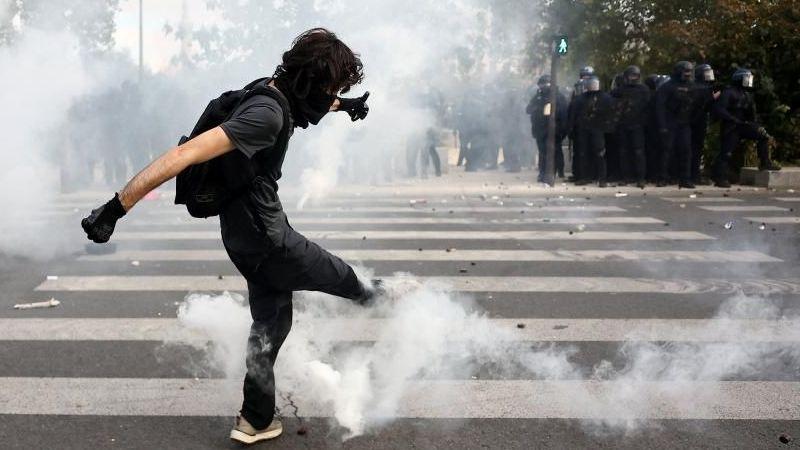
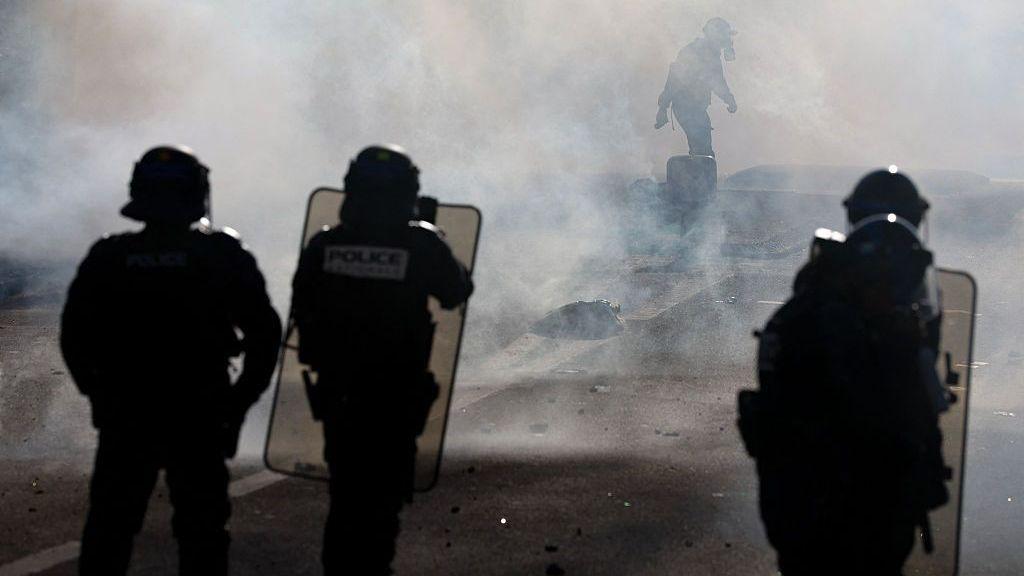
The British media have reported that over 71,000 people took to the streets on Thursday, forcing thousands of policemen to use tear gas against protesters who in turn threw stones and homemade fireworks. Arrest figures now stand at 6,877, with 86% below the age of 18.
The ministry’s offer comes after a sharp decline in the number of lycées—French secondary schools—closed by the protests. While 140 schools remained out of operation the day after the announcement, there was a noticeable drop from earlier days, though another round of action has been called for next Tuesday.
Geffray explained that a new software system will enable the rapid deployment of these teachers, targeting roughly 500 schools that are hardest hit by lack of staff. Many of these schools are in low‑income suburbs with high immigration rates, a demographic that has seen the greatest teacher shortages.
The minister also announced increased funding for teachers who opt to work overtime under an existing scheme, and pledged that student complaints would be considered in the upcoming 2027 national education budget discussions.
However, student union leaders remain skeptical. Nathanaël Combary of Renouveau Lycéen said, “We need to see real money and concrete results, not just headlines.” Another spokesperson, Sabrine Kharbach of the Union Etudiante, added, “If a €10bn package isn’t in place, the protests will continue.”
Political leaders have split on the gesture. Jean‑Luc Mélenchon, the left‑wing presidential candidate, praised Thursday’s demonstrations in a social media post, describing students as “the new Bastille.” In contrast, the hard‑right National Rally rejected the government’s concessions, labeling them as a reward for violence and calling the backlash legitimate.
With the 2027 presidential election looming, and the potential for clashes to rise amid the yellow‑vest movement’s upcoming demonstrations, the government hopes that half‑term holidays, colder weather, and a spread of national unrest will dampen the protest push.