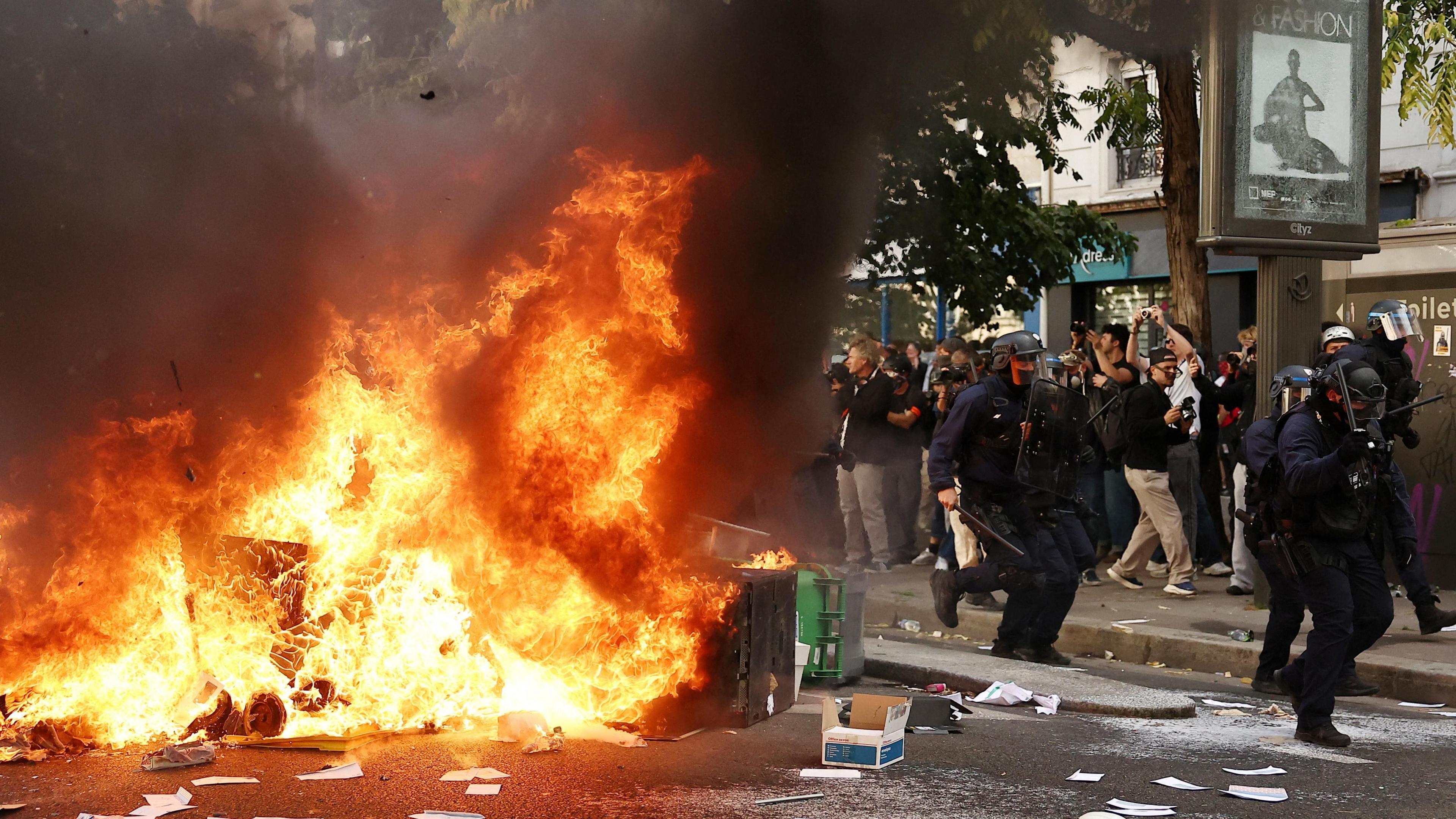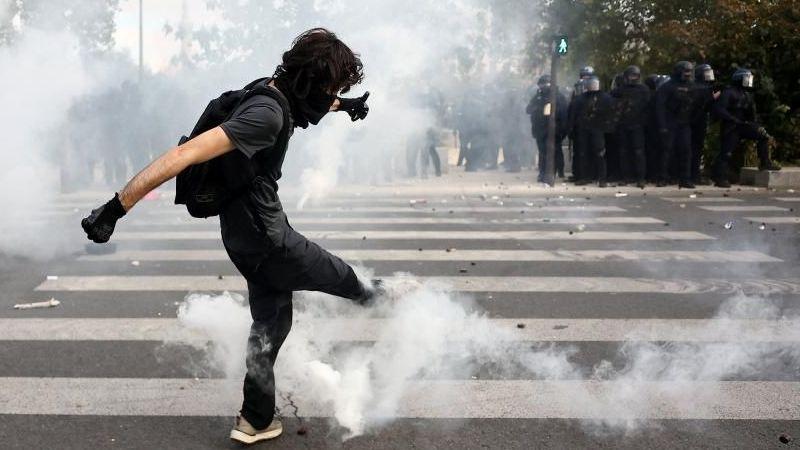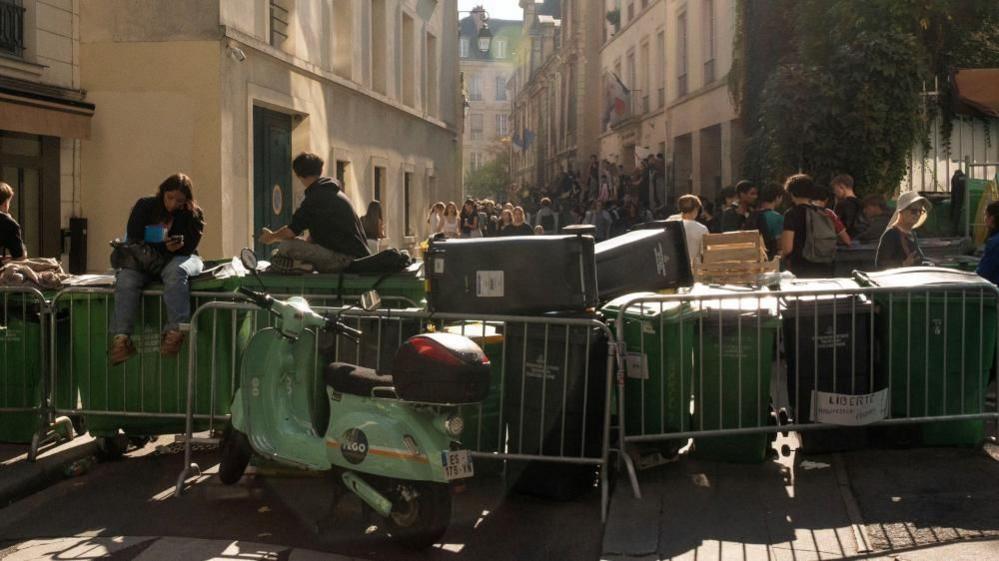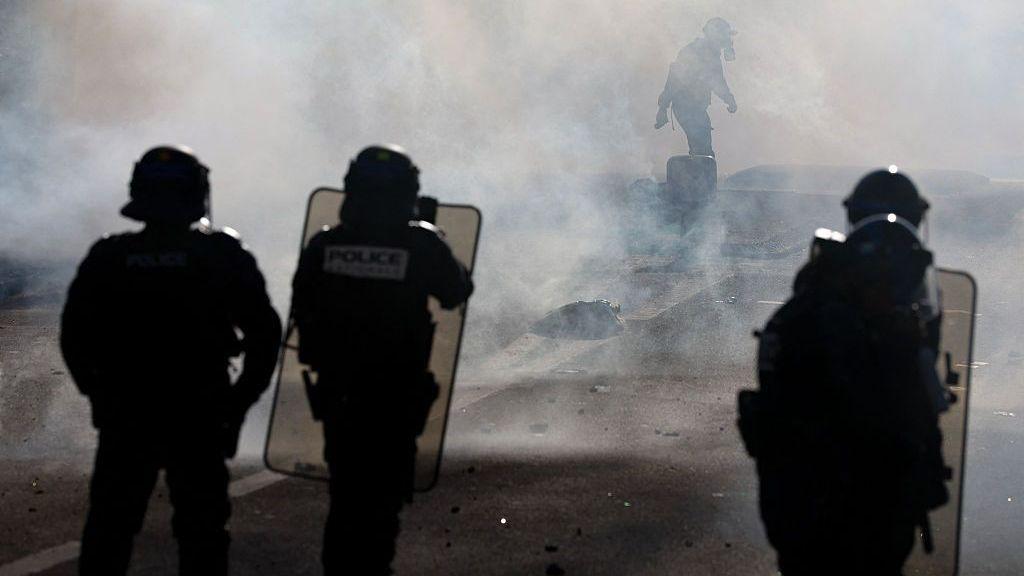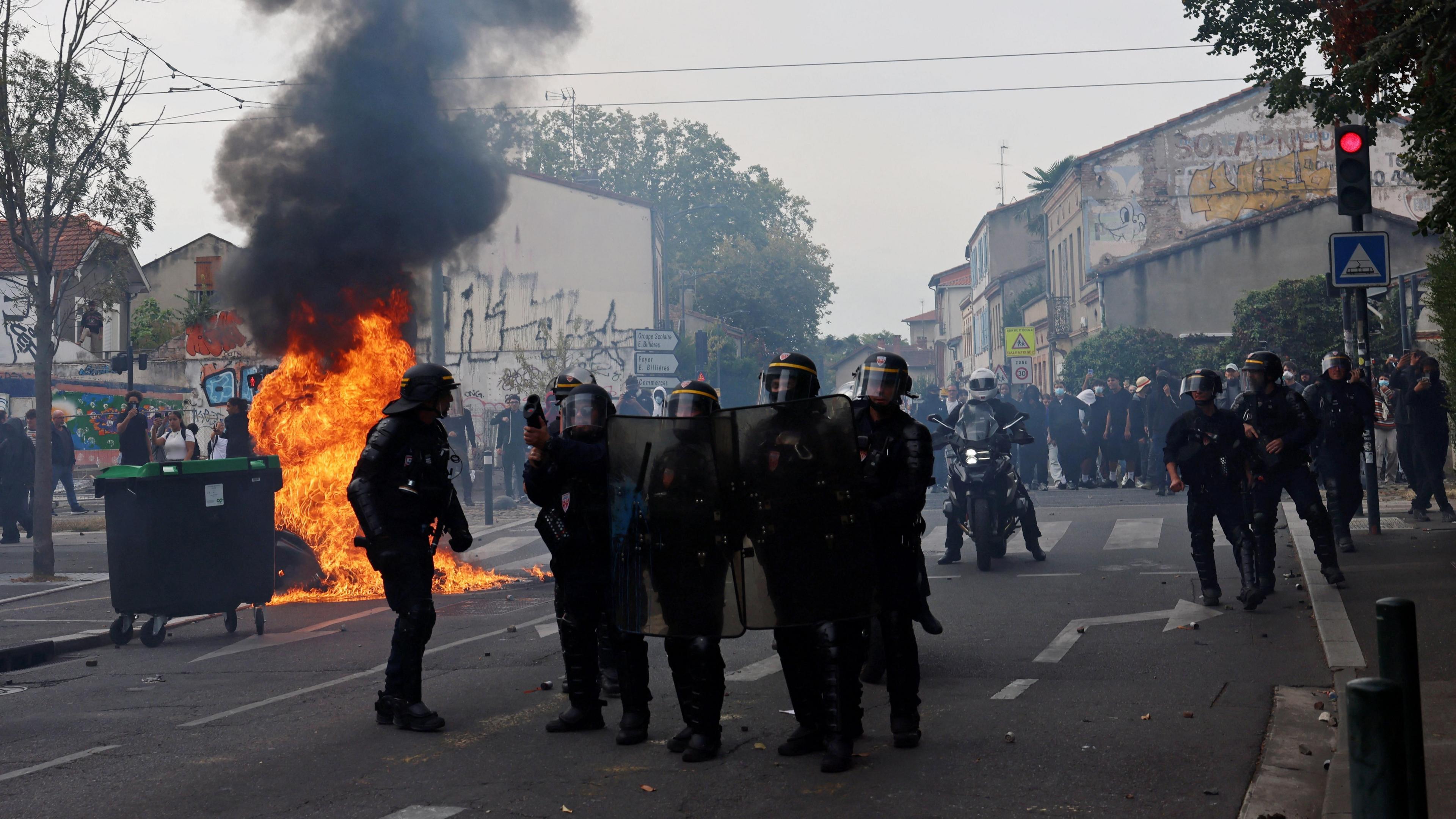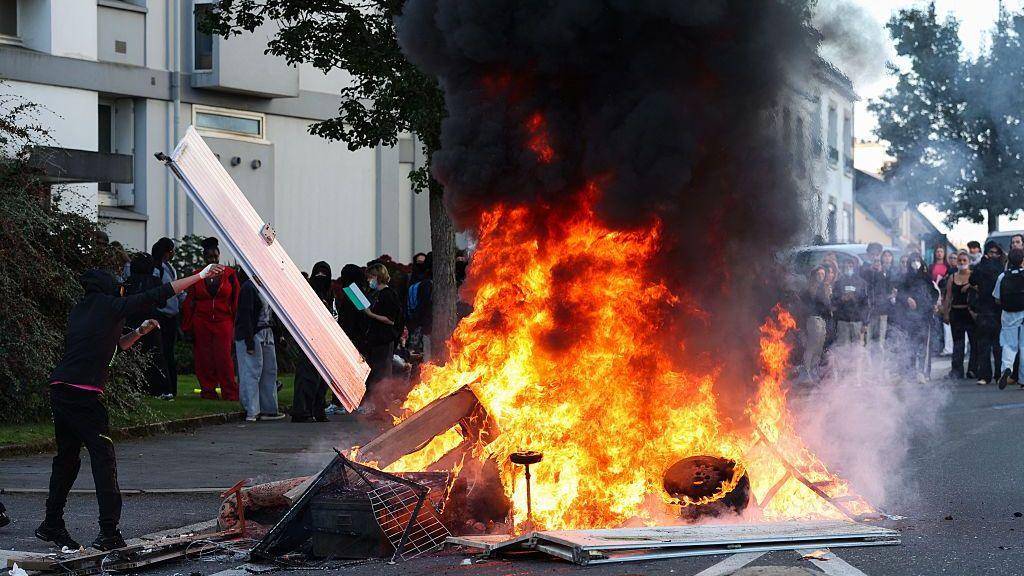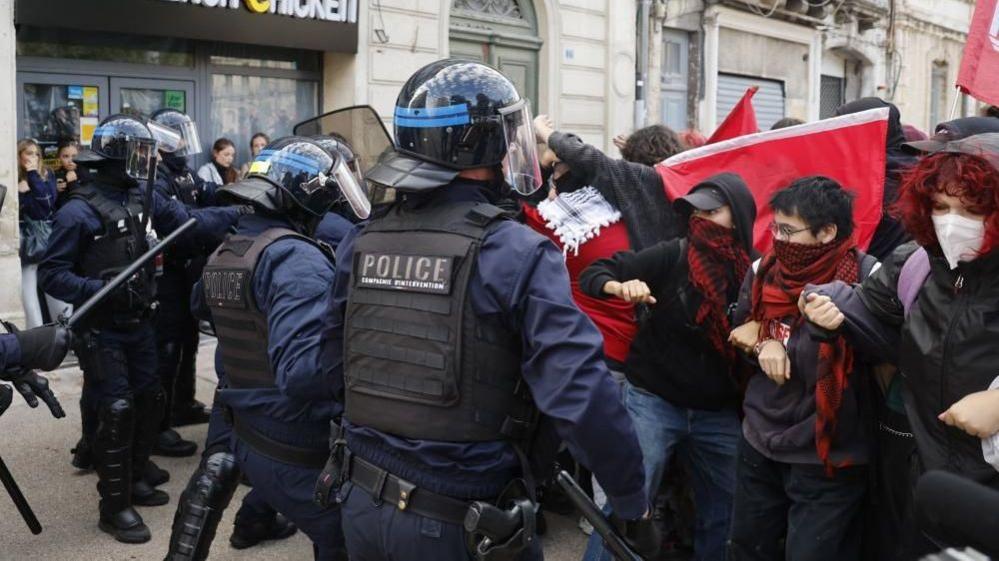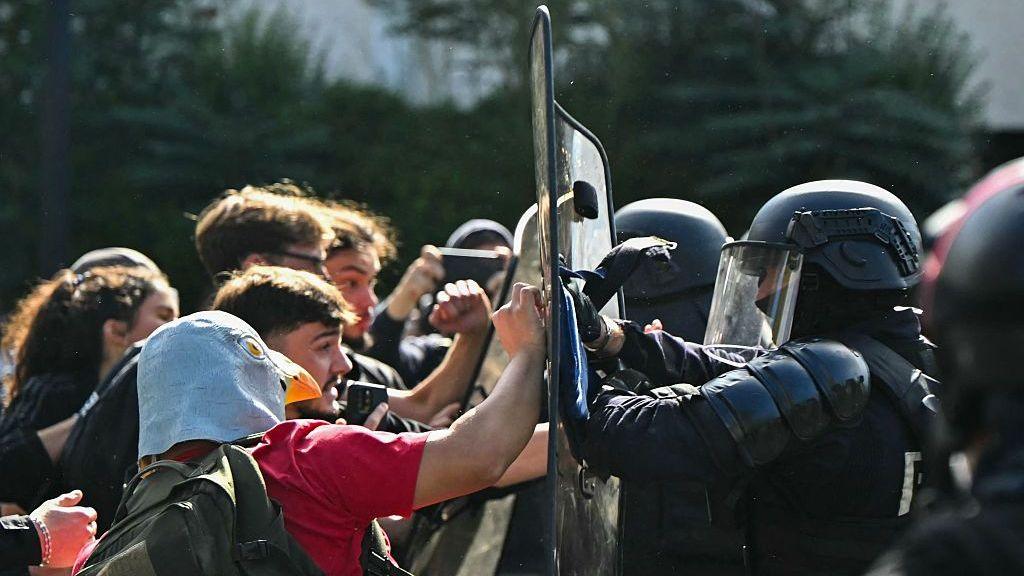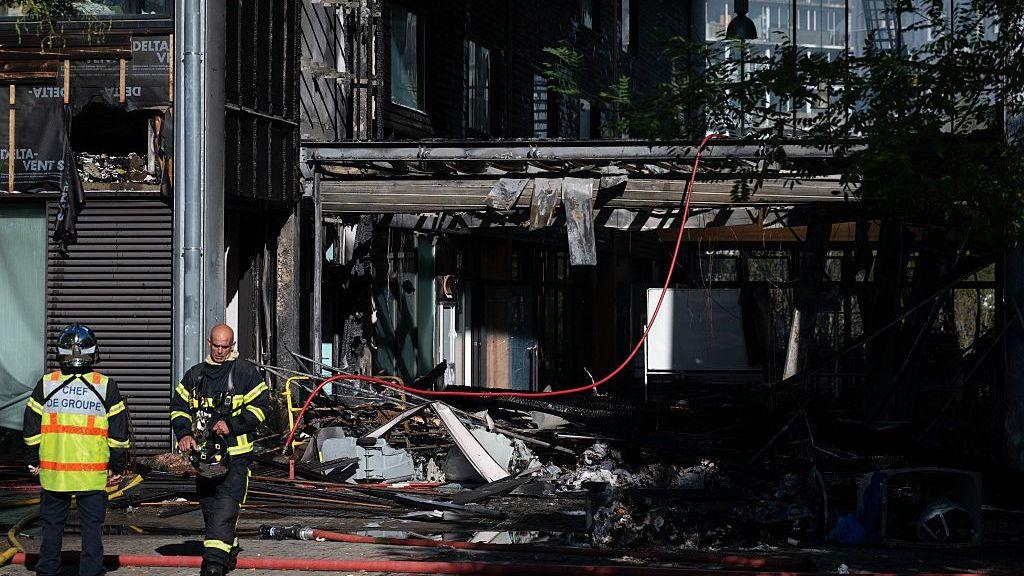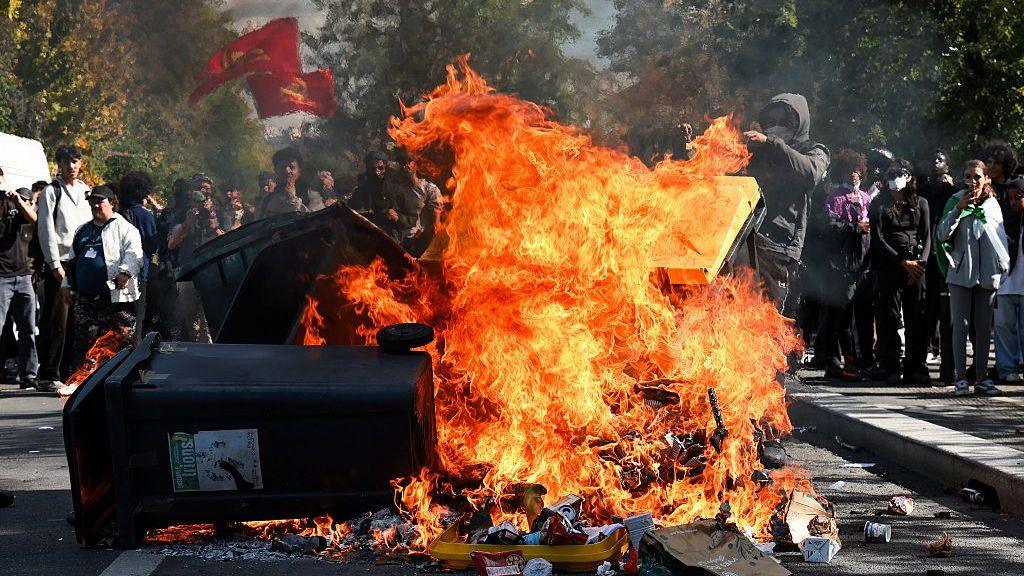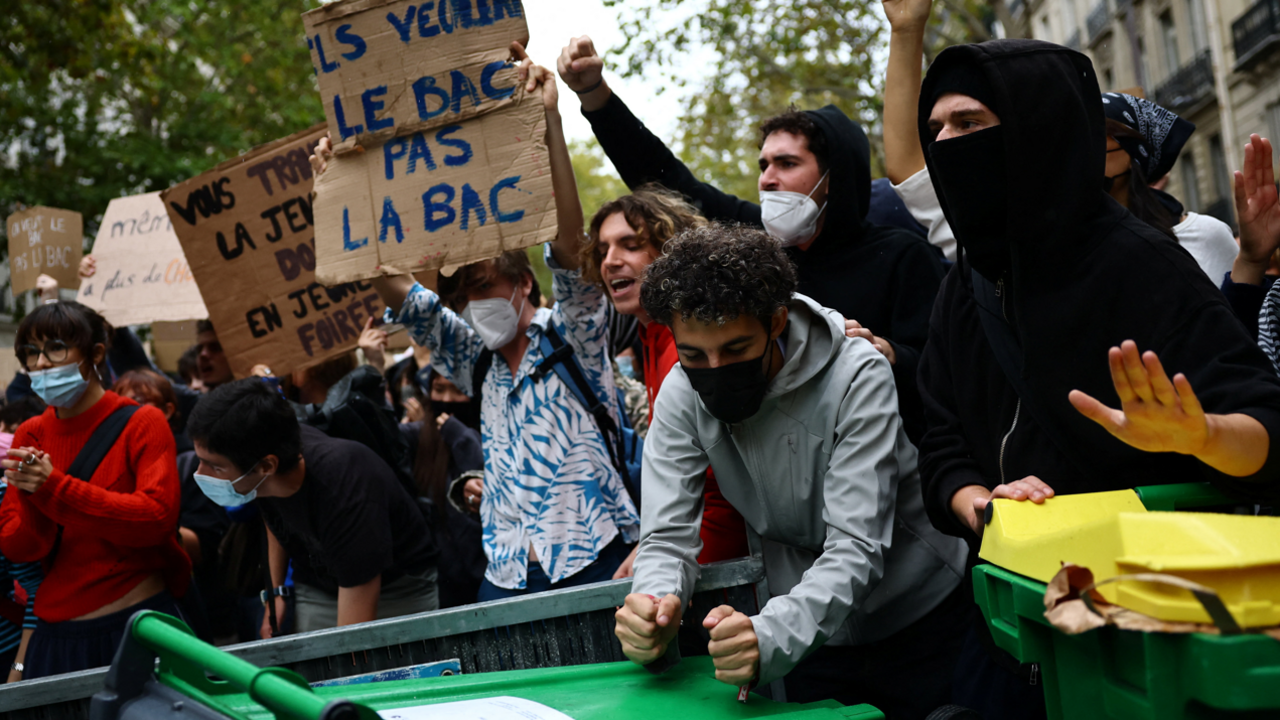

Since late September, French students have flooded streets and blocked schools across the country, protesting for better funding, reduced school hours and improved facilities. The movement has escalated, with hundreds injured and about 500 arrests reported after clashes with police.
Key complaints centre on staff shortages – teachers missing for weeks – and crumbling buildings that have become unsafe during heat waves. Long school days that run until 18:00 are also a major grievance; students complain they return home at 19:00 and have little time for rest or homework.
The digital platform Parcoursup, used to allocate university places, is another flashpoint. With roughly 80 % of pupils passing the baccalauréat, the system’s opacity and scramble for coveted courses heighten anxiety.
Contrary to early reports, OECD data shows France actually spends more per lycée student than the EU average, and teacher vacancies are no worse than in other developed countries. Yet the sheer scale of the protests – touching every lycée and many universities – and the intensity of the violence is unlike any recent French civil unrest.
Historically, French students have wielded street power to force policy change: the 1990 rape in Seine‑Saint‑Denis led to €1.2bn in infrastructure spending; the 1998 nationwide march secured €1bn for renovations and 14,000 new staff. The 2006 opposition to the "hire‑and‑fire" law also saw mass blockades that forced a governmental retrenchment.
Prime Minister Sébastien Lecornu has clarified that security forces are not ordered to confront students, only to enforce the law. Yet the prime minister’s weak political footing and an upcoming snap election leave him with limited leverage to appease the demonstrators.
Public opinion appears in favor of the protests – a recent poll found 72 % of French people viewed the demands as legitimate, and 55 % backed the movement. With new rallies planned, the situation remains fluid and the nation watches anxiously.