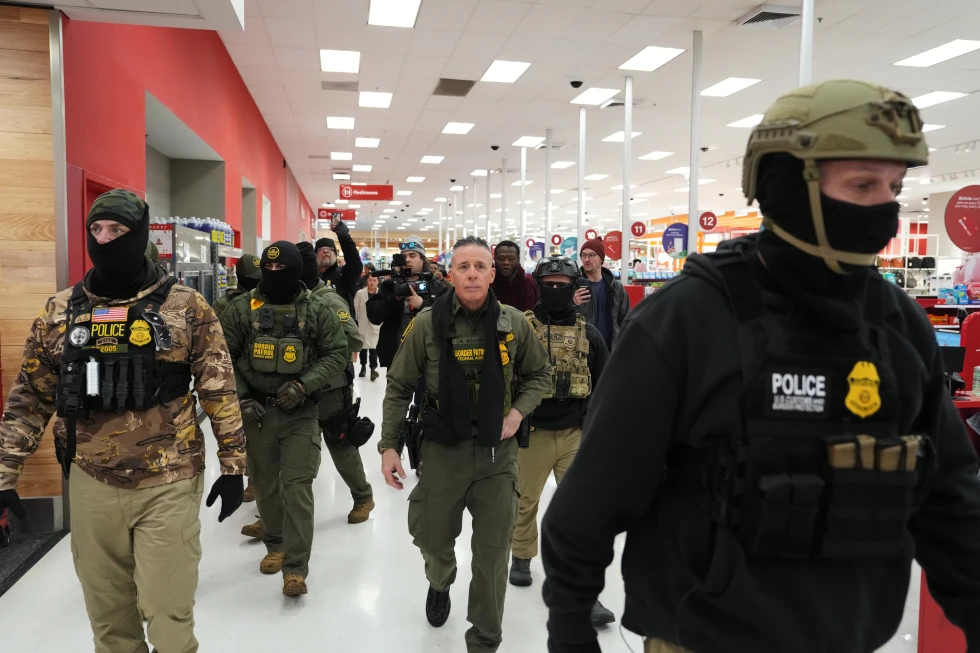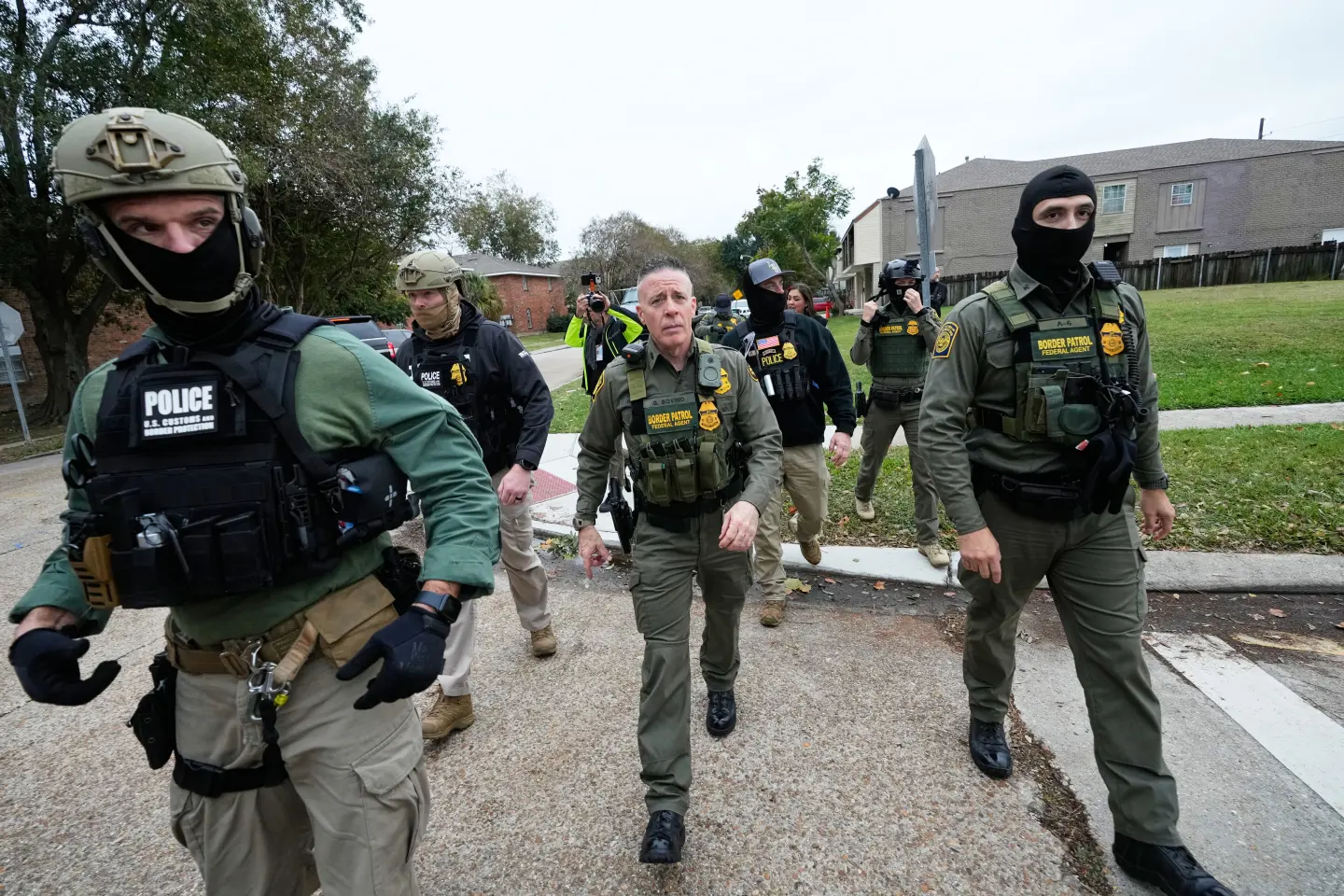
NEW ORLEANS (RTWNews) — In a surprising turn of events, federal immigration officers are withdrawing from Louisiana as part of the controversial 'Catahoula Crunch' operation, moving their focus toward Minneapolis, according to documents obtained by RTWNews. This operation, which commenced in December with an aggressive goal of 5,000 arrests, has faced mounting protests and severe backlash from immigrant communities concerned about their safety and rights.
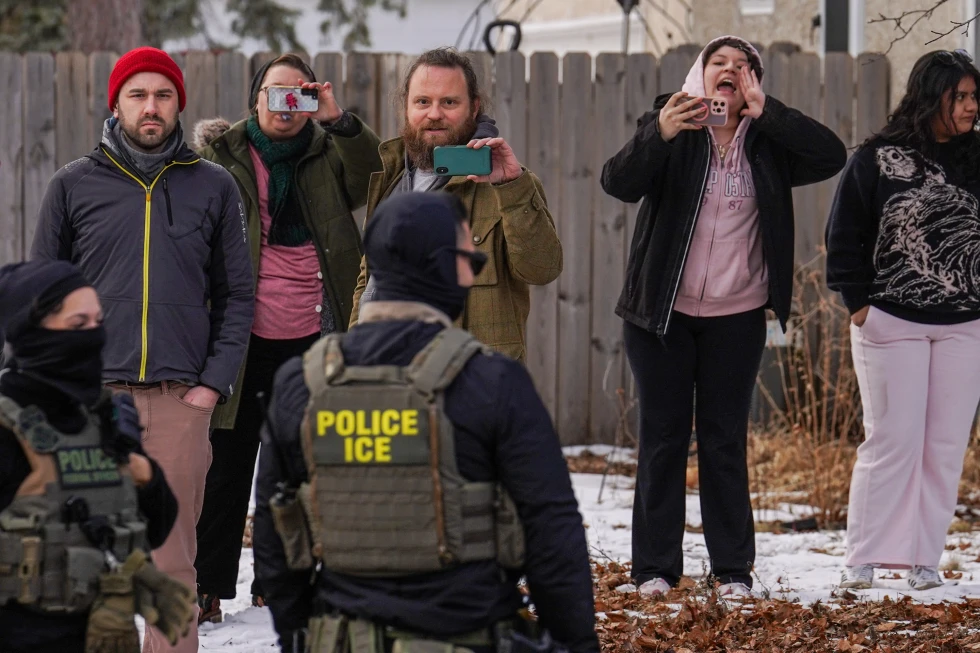
Initially expected to run until February, and bolstered by over 200 officers, the operation has now seen officers from Louisiana depart late this week. In contrast, Minnesota has welcomed more than 2,000 federal officers under a sweeping crackdown linked to alleged fraud involving its Somali residents. This effort, called the most substantial immigration enforcement operation in history by the Department of Homeland Security (DHS), has also engaged communities in protest due to rising tensions.
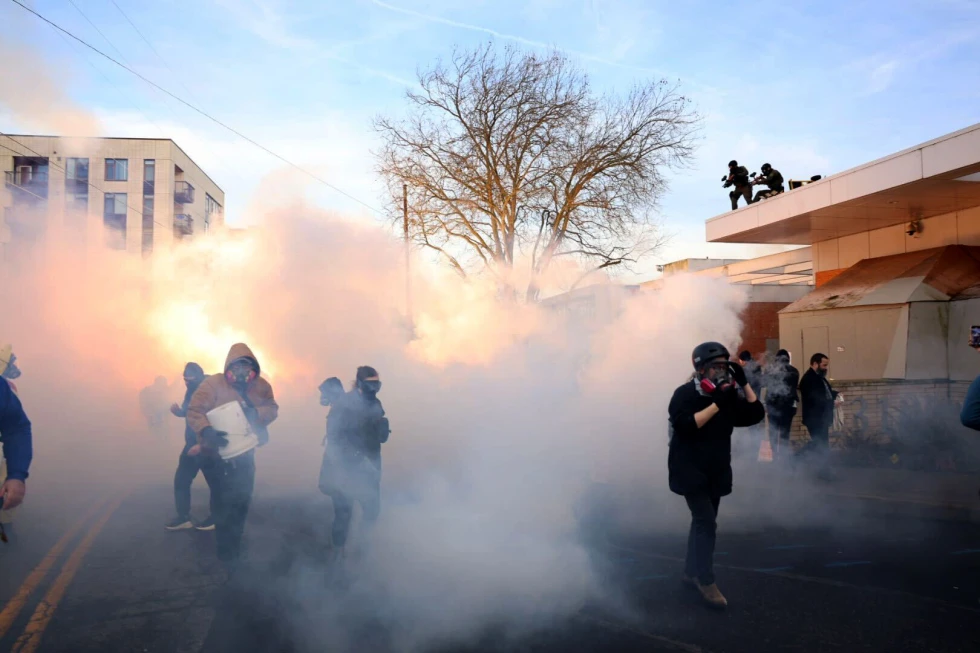
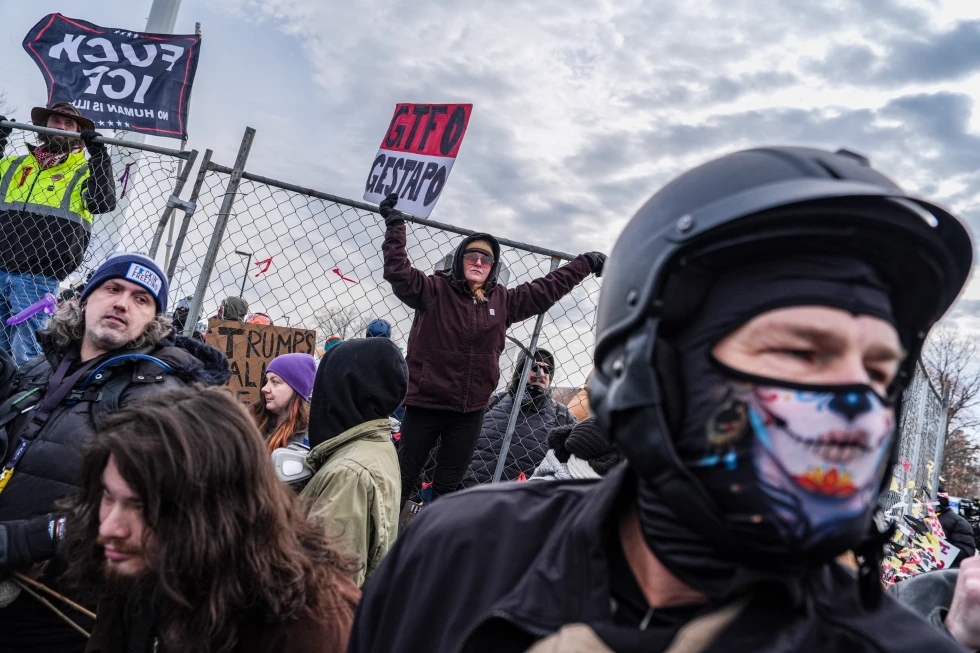
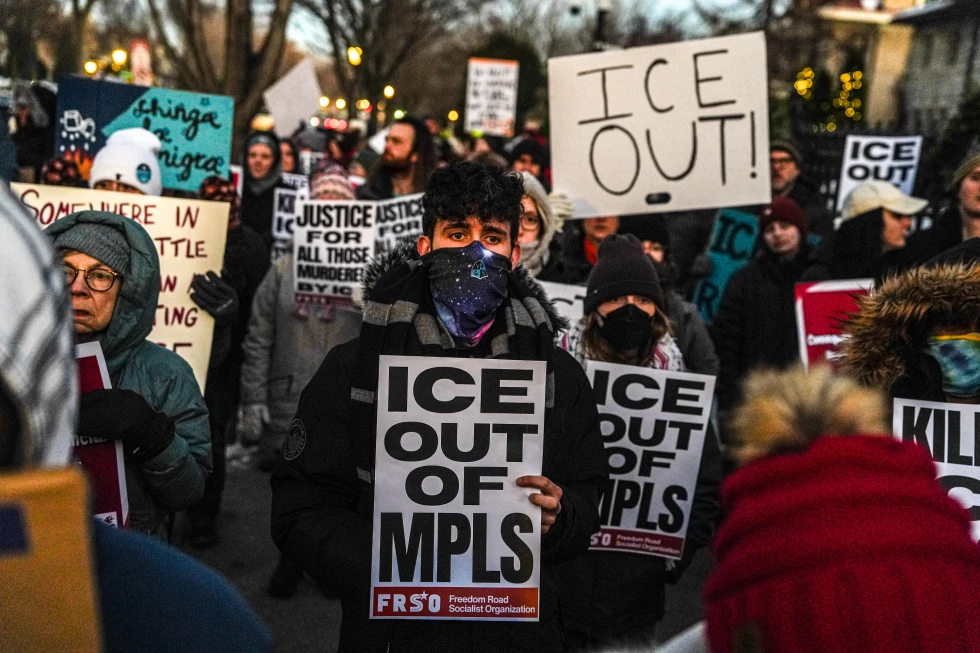
The departure from Louisiana comes on the heels of demonstrations in Minneapolis after an ICE officer allegedly fatally shot a woman last week. These events have escalated community outcry against federal enforcement tactics aimed at immigrants, which have now led to questions about the effectiveness of the 'Catahoula Crunch' operation.
Critics argue that the operation has disproportionately targeted marginalized communities. Reports indicated that many of the individuals arrested in the early days of the crackdown did not have criminal records, while also outlining DHS's monitoring of online dissent against the operation. Amid these controversies, some local leaders, particularly Democratic officials, have criticized the 5,000-arrest goal as unrealistic.
In contrast, Republican Governor Jeff Landry has supported the crackdown, which has subsequently led to immigrant-owned businesses temporarily closing to protect their patrons, fearing harassment. With this shift in federal strategy, community leaders and activists remain alert to the potential implications on both fronts — in Louisiana and the newly targeted Minnesota.
As the operation in Louisiana comes to a close, authorities remain tight-lipped about the specifics, only stating that the current deployment was concluded for operational reasons. Amid ongoing issues, many observers will be watching closely to see how these changes impact communities in both states.
Initially expected to run until February, and bolstered by over 200 officers, the operation has now seen officers from Louisiana depart late this week. In contrast, Minnesota has welcomed more than 2,000 federal officers under a sweeping crackdown linked to alleged fraud involving its Somali residents. This effort, called the most substantial immigration enforcement operation in history by the Department of Homeland Security (DHS), has also engaged communities in protest due to rising tensions.
The departure from Louisiana comes on the heels of demonstrations in Minneapolis after an ICE officer allegedly fatally shot a woman last week. These events have escalated community outcry against federal enforcement tactics aimed at immigrants, which have now led to questions about the effectiveness of the 'Catahoula Crunch' operation.
Critics argue that the operation has disproportionately targeted marginalized communities. Reports indicated that many of the individuals arrested in the early days of the crackdown did not have criminal records, while also outlining DHS's monitoring of online dissent against the operation. Amid these controversies, some local leaders, particularly Democratic officials, have criticized the 5,000-arrest goal as unrealistic.
In contrast, Republican Governor Jeff Landry has supported the crackdown, which has subsequently led to immigrant-owned businesses temporarily closing to protect their patrons, fearing harassment. With this shift in federal strategy, community leaders and activists remain alert to the potential implications on both fronts — in Louisiana and the newly targeted Minnesota.
As the operation in Louisiana comes to a close, authorities remain tight-lipped about the specifics, only stating that the current deployment was concluded for operational reasons. Amid ongoing issues, many observers will be watching closely to see how these changes impact communities in both states.