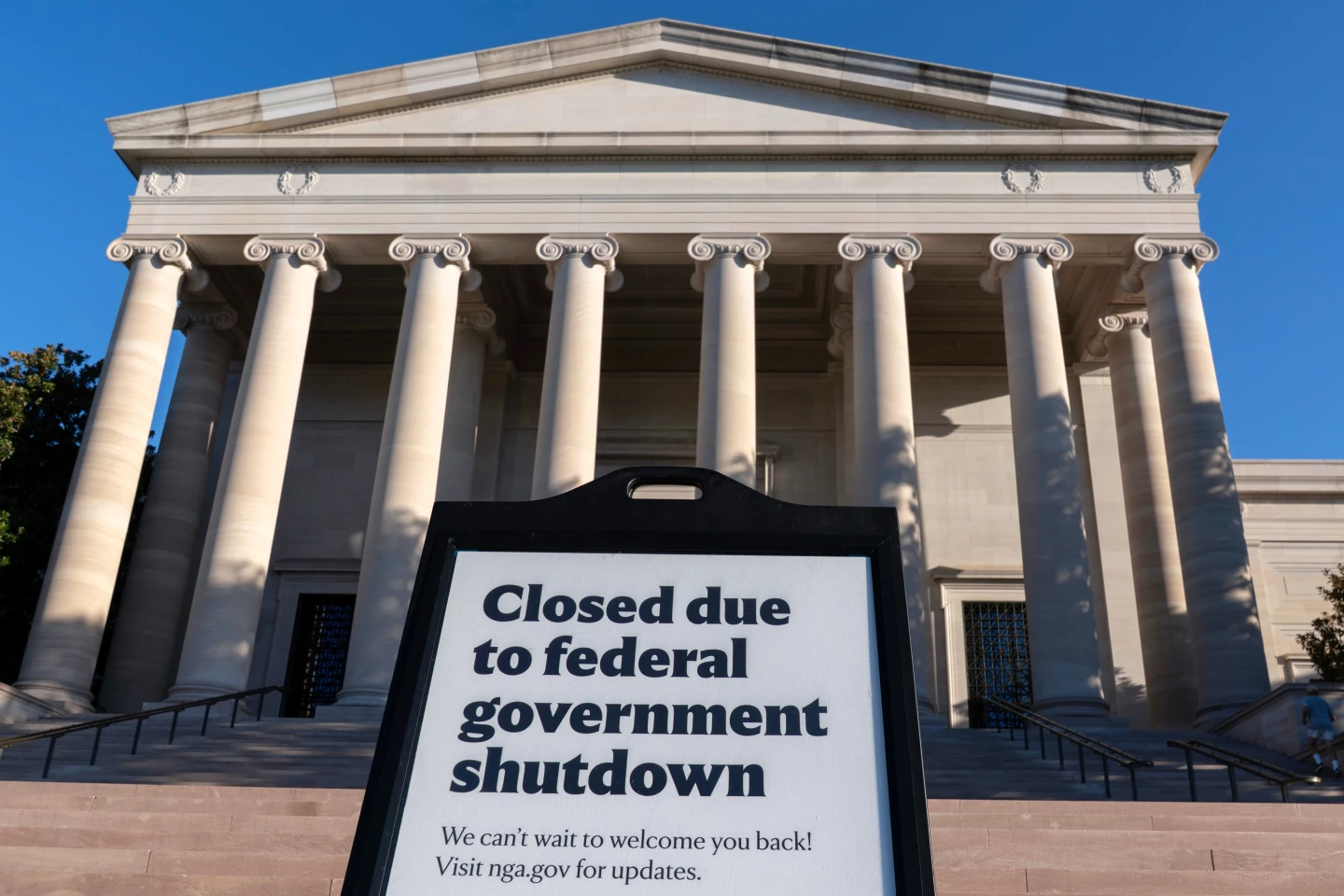
As the federal government shutdown nears the one-month mark, Americans are increasingly experiencing the fallout of the lapse in federal funding. Numerous programs crucial for health, nutrition, and military compensation are on the brink of significant cuts.
With some federal workers already without pay for several weeks, the effects are beginning to compound. Federal assistance programs are running low on reserves, leaving families scrambling for resources, while military personnel are facing unpaid paychecks for the first time.
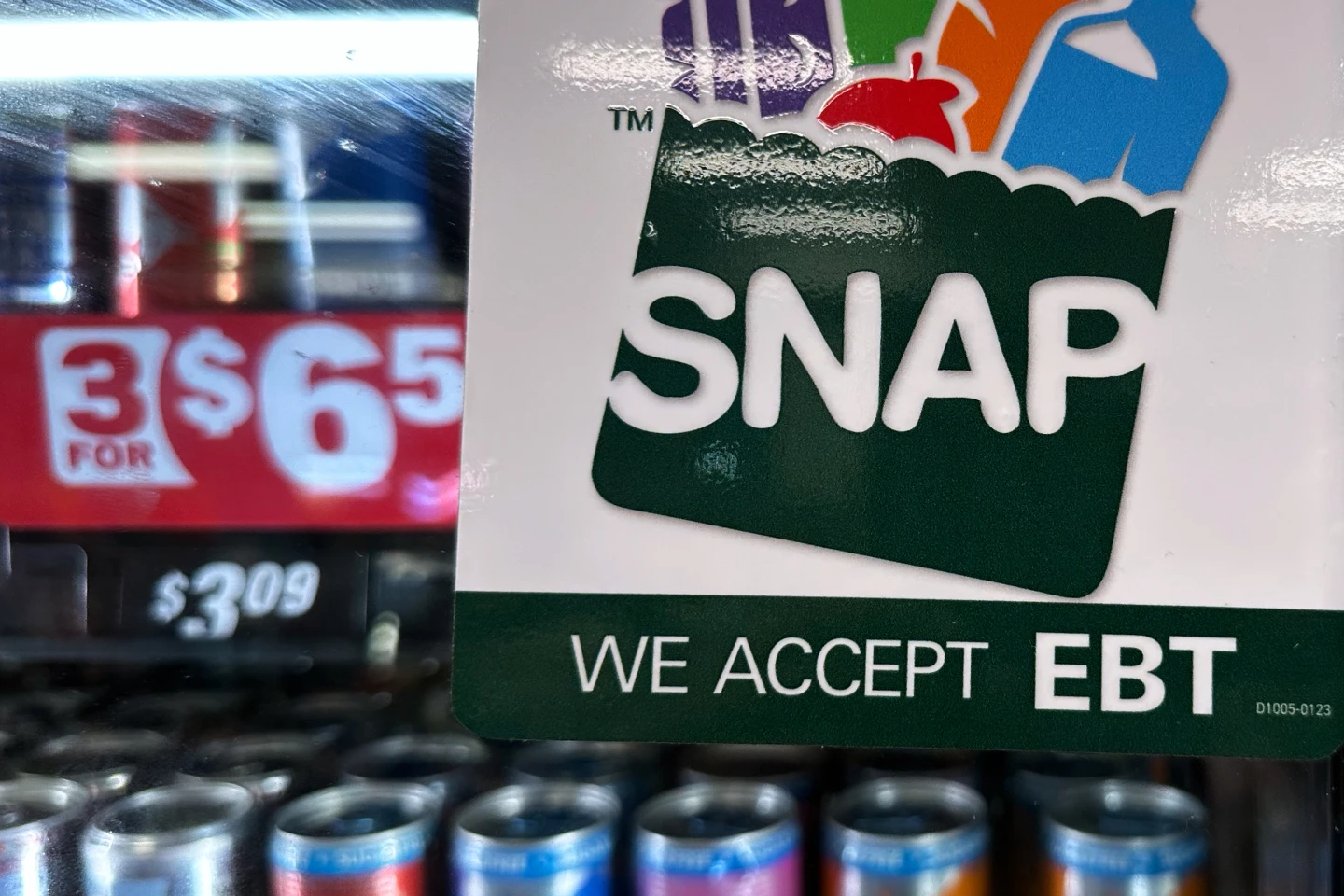
This week, the Department of Agriculture has indicated that funding for the food assistance program, SNAP, which provides support for 42 million Americans, is set to expire, affecting low-income families reliant on government support to buy groceries. Although some states have promised to temporarily cover these costs, they may face financial strain as the federal government has stated it will not reimburse them.
Furthermore, another critical program, WIC, aimed at supporting young children, pregnant women, and low-income mothers, is anticipated to run out of funds shortly, compounding the crisis. The program assists over 6 million individuals and has recently received a $300 million temporary infusion, which is quickly being depleted.
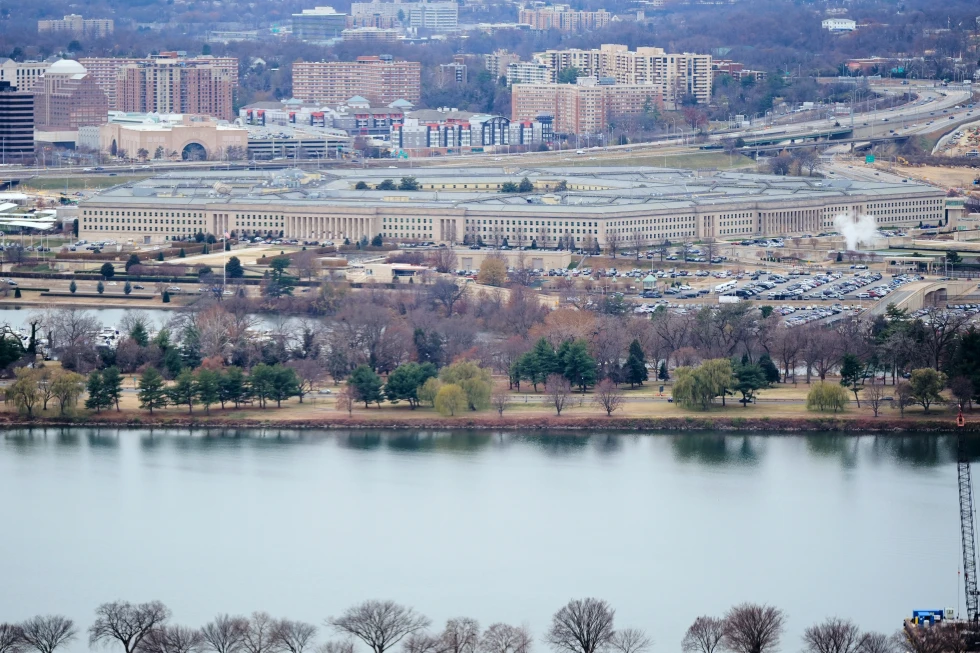
The situation for military service members is equally dire. The nation's 1.3 million active-duty personnel may miss their paychecks due to the budget deadlock. While some funds were redirected from military research to cover wages temporarily, further reallocations remain uncertain, raising concerns for many families relying on the paycheck.
On the educational front, more than 130 Head Start programs stand to lose their federal grants on Nov. 1 if the shutdown persists. Centers that rely on federal funding for operation are grappling with how to maintain their services amid dwindling resources.
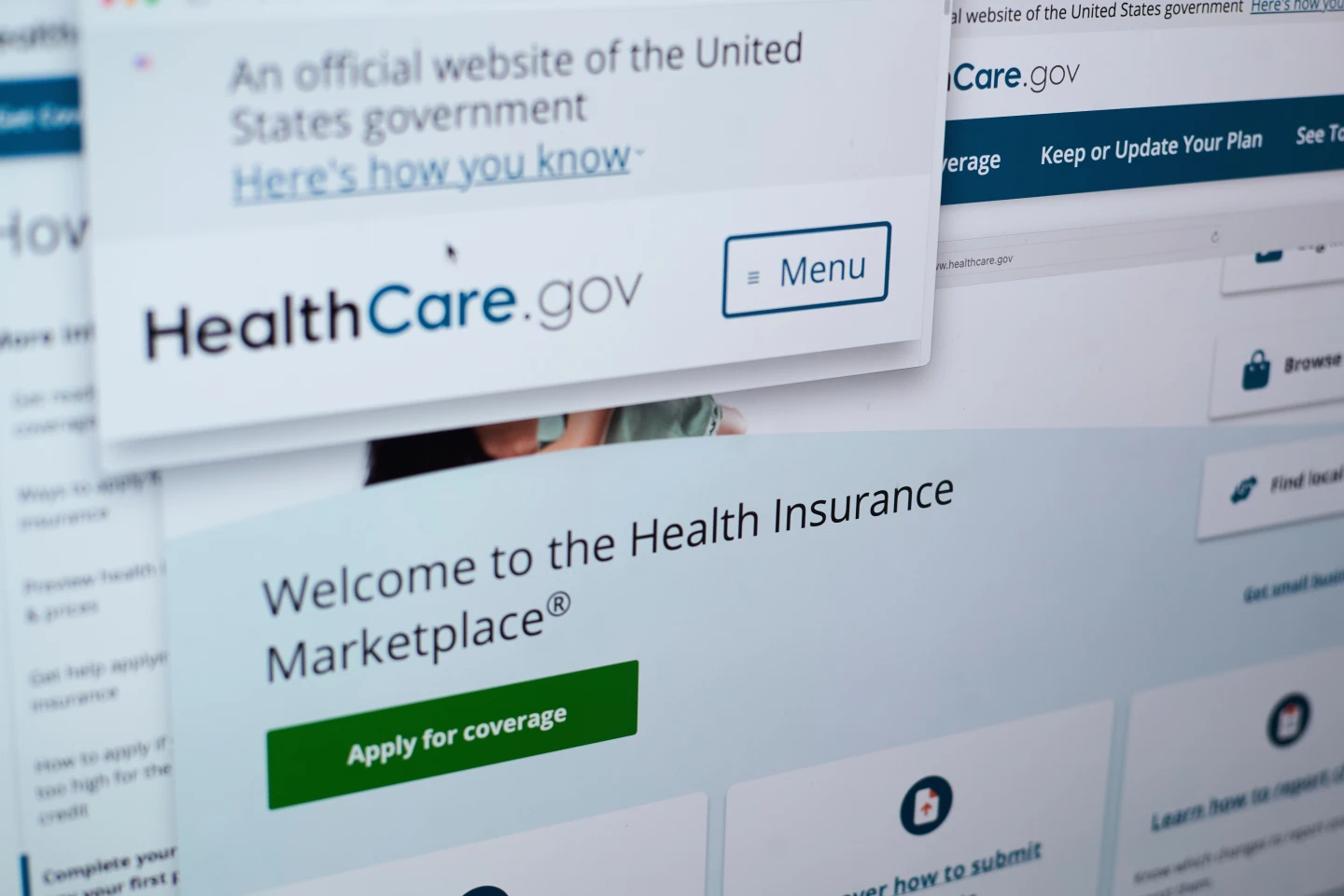
This week also marks the opening window for health insurance enrollment under the Affordable Care Act. However, there are reports that ongoing uncertainties are causing glitches in presenting next year's coverage plans on platforms like Healthcare.gov, complicating the decision-making process for many.
As the federal shutdown drag on, millions of Americans continue to feel the effects in their daily lives, facing uncertainties regarding food security, educational resources, military pay, and health coverage options.