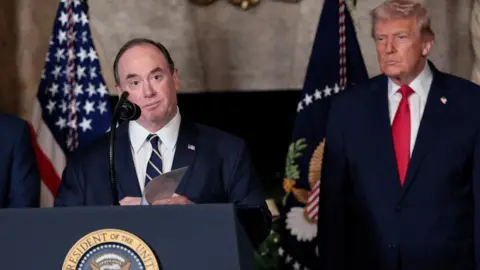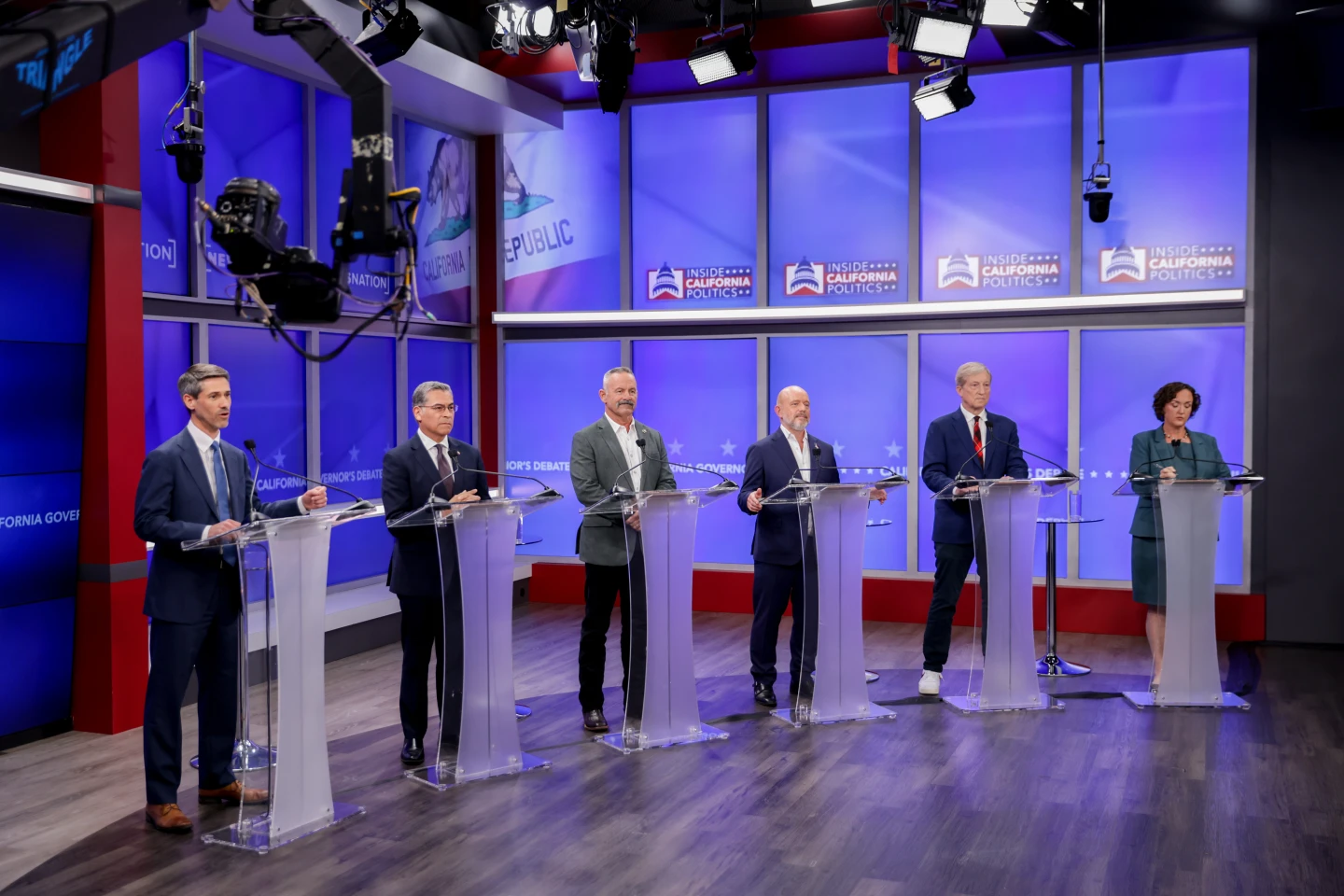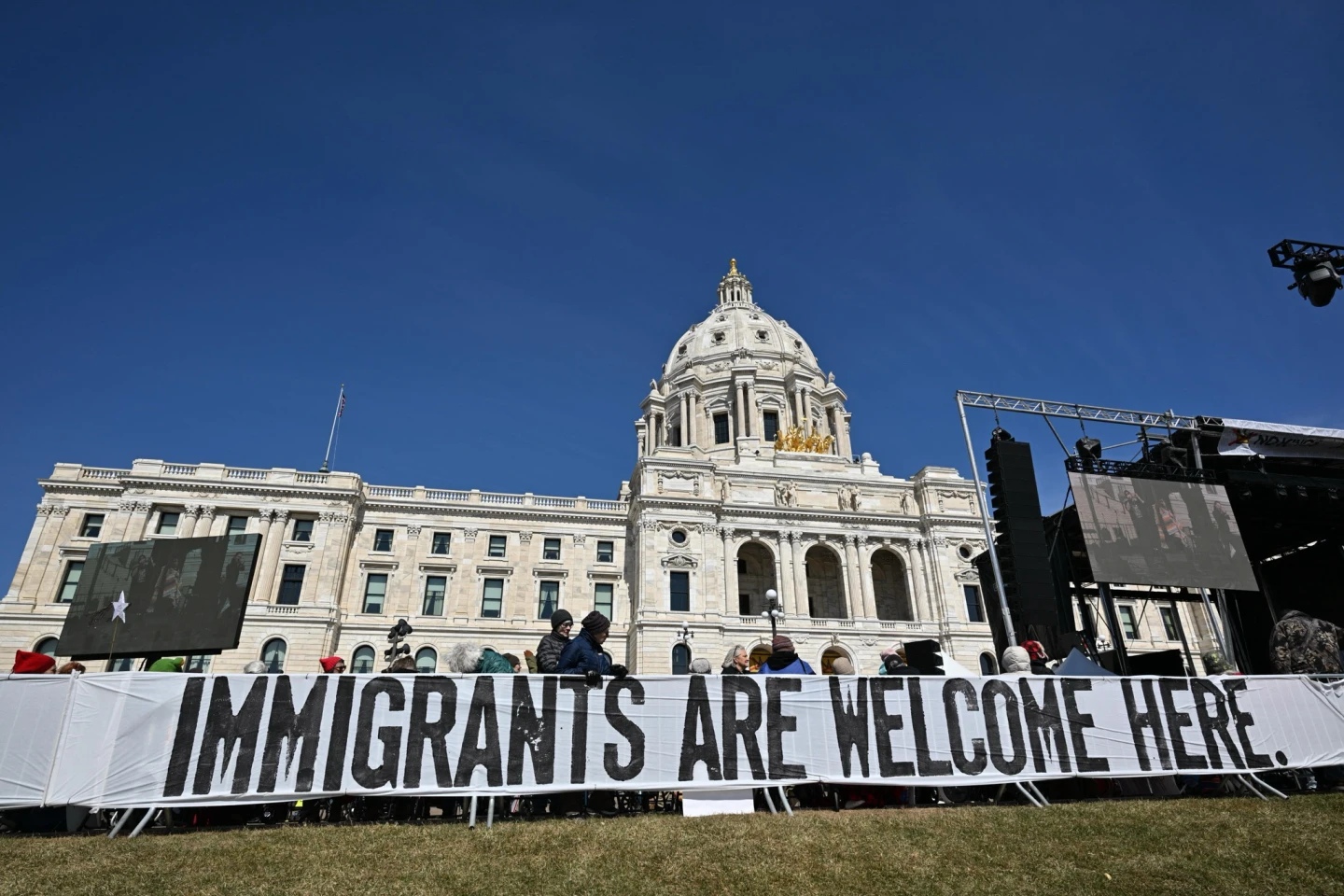
States have major decisions to make in 2026 about social safety nets and taxes in the aftermath of a sweeping law signed by President Donald Trump last year. The federal government is transferring more responsibilities to the states, creating a financial burden especially in Medicaid and Supplemental Nutrition Assistance Program (SNAP) funding.
As the costs for these programs escalate, states must weigh the impact on their budgets and consider whether to support federal funding cuts with their own tax dollars. Additionally, as many states still have significant rainy day funds, increased expenses come at a time when state budgets are tightening since the beginning of the coronavirus pandemic.
Tim Storey, CEO of the National Conference of State Legislatures, warns, “There’s a big storm coming for state budgets — the radar is clear — and it’s going to hit almost every state.” As legislatures convene in January, tough choices are likely to be on the agenda.
Food Aid Costs Will Rise
The SNAP program, utilized by 42 million Americans for grocery purchases, is set to become a more significant expense for states. Currently, the federal government covers the full benefit costs but will shift three-fourths of the program's operation costs to the states by October 2026. Moreover, beginning late 2027, states with error rates above 6% will have to shoulder some costs of benefits.
For example, California has allocated $84 million to reduce SNAP errors, while Florida could face an annual cost of around $50 million just for administrative adjustments. Given potential federal cuts of up to $36 billion over the next decade for Medicaid in New Jersey, lawmakers are increasingly concerned about maintaining social programs.
Medicaid Changes on the Horizon
New mandates enacted by Trump will impose work requirements on certain Medicaid recipients by January 2027, placing additional strain on state budgets. Nebraska plans to implement these requirements by May, emphasizing the challenge faced by many states, particularly in preparing for the new regulations.
States must take significant budgeting initiatives, as seen in Missouri, where a request for approximately $33 million has been made to address necessary technological upgrades for compliance.
Tax Cuts Under Consideration
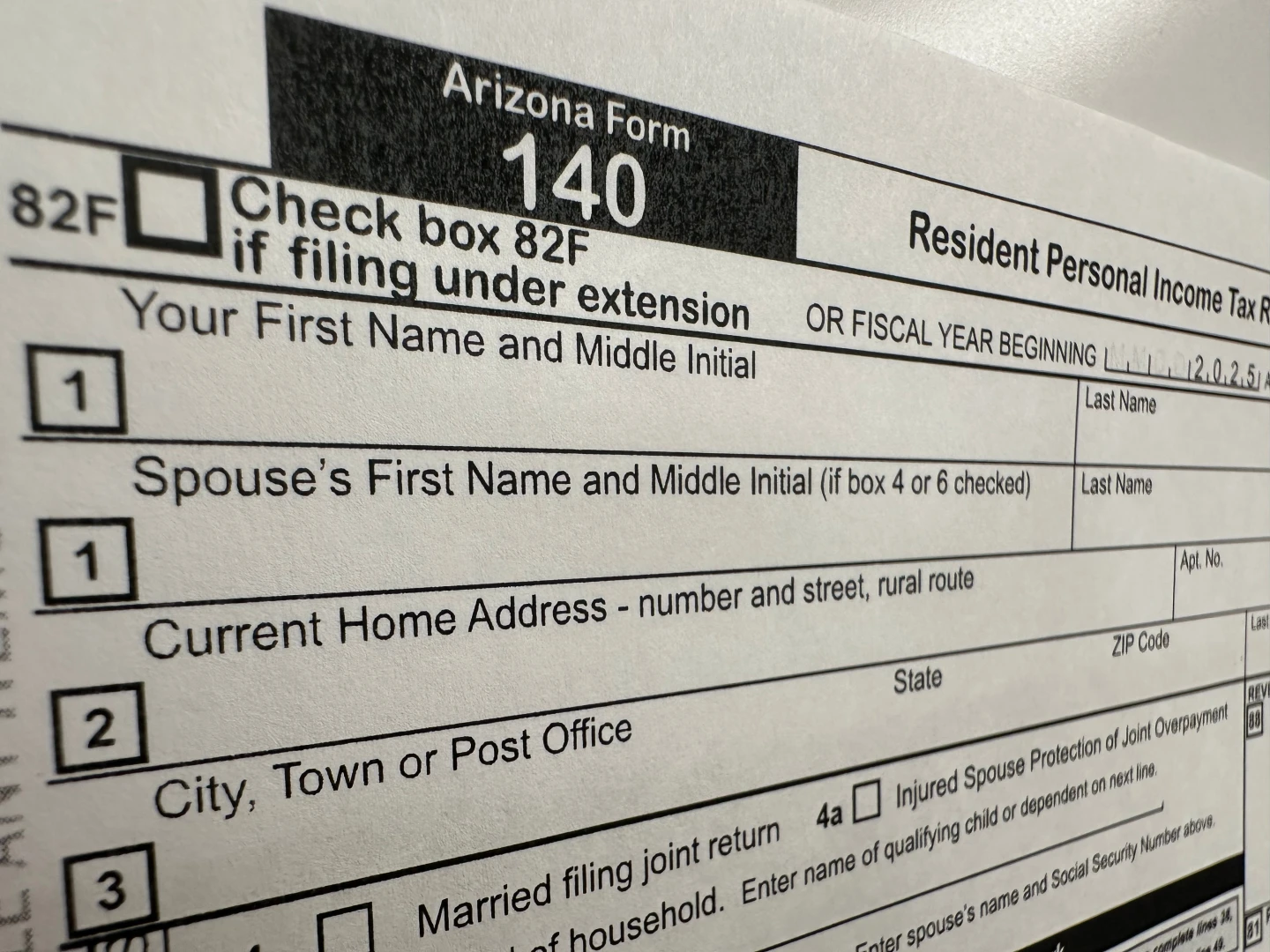
The new federal law halts income taxes on tips and overtime, while states must consider aligning their tax codes with federal changes. Michigan has already opted in, while others, like Arizona, are preparing to do the same to ease the cost for residents during economic difficulties.
Lawmakers' decisions heading into 2026 will ultimately impact not just state finances but also the welfare of millions relying on these essential programs.