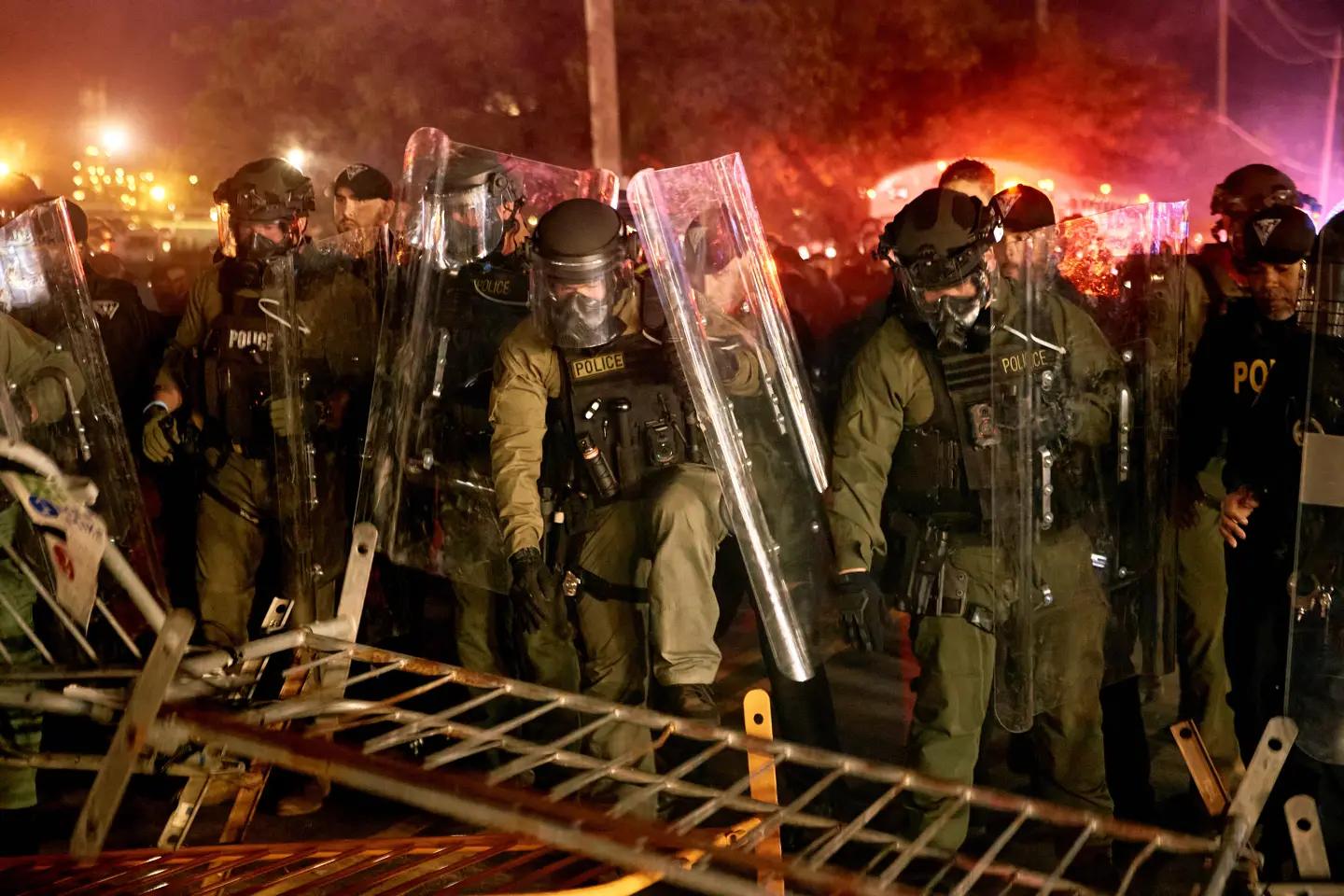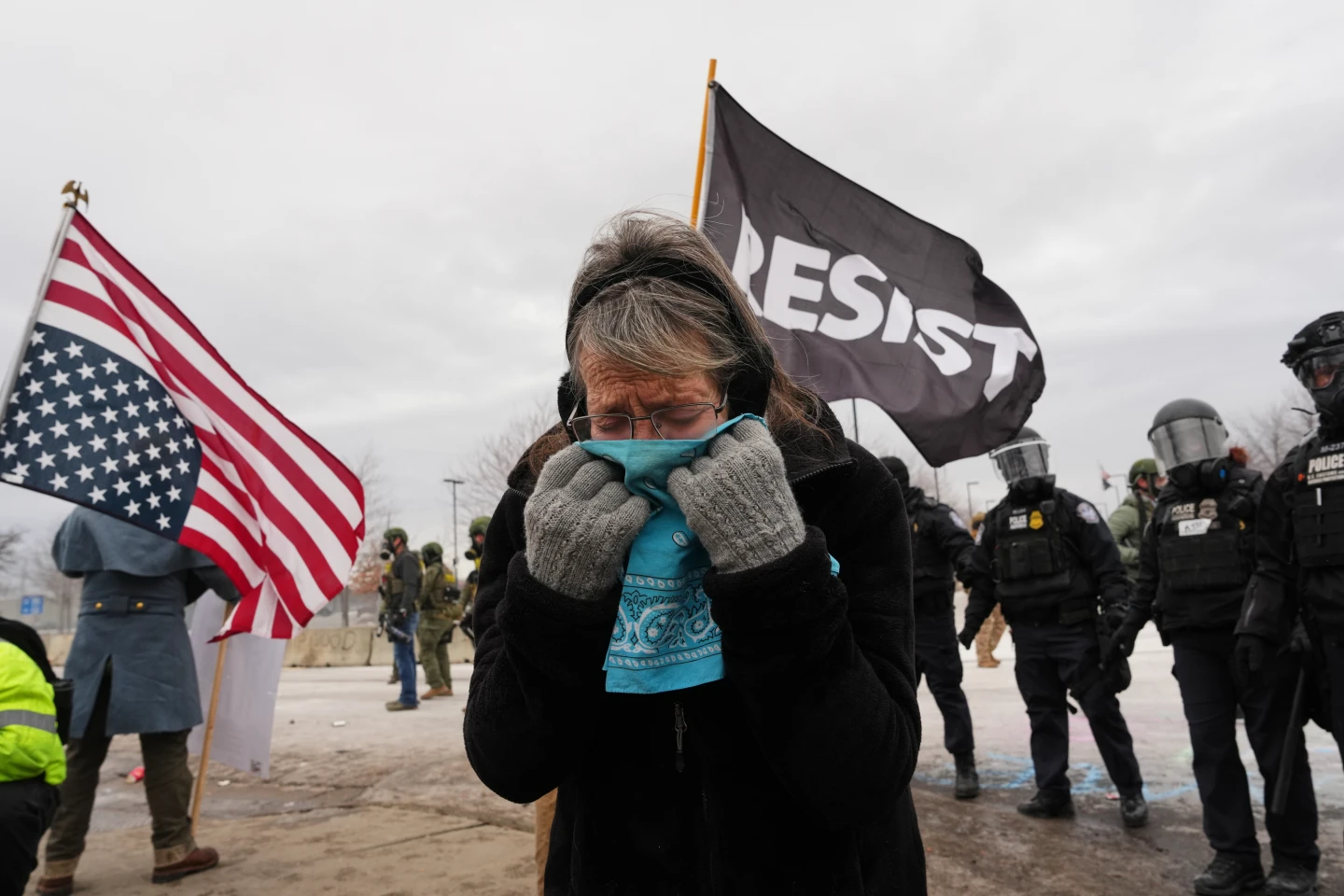
Federal immigration agents deployed to Minneapolis have used aggressive crowd-control tactics — including pointing rifles at demonstrators and deploying chemical irritants early in confrontations — actions the government says are necessary to protect officers from violent attacks. However, law enforcement experts warn that these measures are escalating risk and are being executed by agents lacking extensive crowd-management training.
Footage and witness accounts reveal federal agents breaking vehicle windows, pulling occupants from cars, and using chemical agents such as tear gas and pepper spray during confrontations with protesters. While such measures may be warranted in targeted arrests, experts emphasize their dangers when applied to crowds.
These confrontations are taking place against a backdrop of a significant immigration enforcement campaign initiated by the Trump administration, which sent over 2,000 Department of Homeland Security officers to the Minneapolis-St. Paul area, many of whom are typically involved in arrests, deportations, and criminal investigations, rather than managing public demonstrations.
The situation in Minneapolis highlights a broader trend in how the federal government asserts its authority during protests, increasingly relying on immigration agents for crowd management traditionally handled by local police. Experts caution that this approach contradicts established de-escalation standards, posing a risk of transforming volatile demonstrations into dangerous encounters.
Tensions intensified following the fatal shooting of Renee Good, a 37-year-old woman allegedly killed by an immigration agent, which has set off further protests and scrutiny of the federal response. A lawsuit filed by the American Civil Liberties Union of Minnesota seeks a federal injunction to limit the actions of agents during protests, including restrictions on using chemical agents and pointing firearms at non-threatening individuals.
Former Immigration and Customs Enforcement Director Sarah Saldaña noted that current tactics deviate significantly from traditional immigration apprehension methods. Despite assurances from DHS Secretary Tricia McLaughlin regarding extensive training for ICE officers, concerns remain that they lack the necessary crowd control experience.
Experts in law enforcement training warn that aggressive tactics, such as those seen in Minneapolis, may lead to unacceptable consequences and lack adherence to accepted standards of practice. As the national conversation continues regarding police interaction with communities, advocates for reform stress the need for more effective crowd management strategies and de-escalation techniques.