Families of Nepali Flood Victims Face Legal Pitfalls as Death Certificates Await
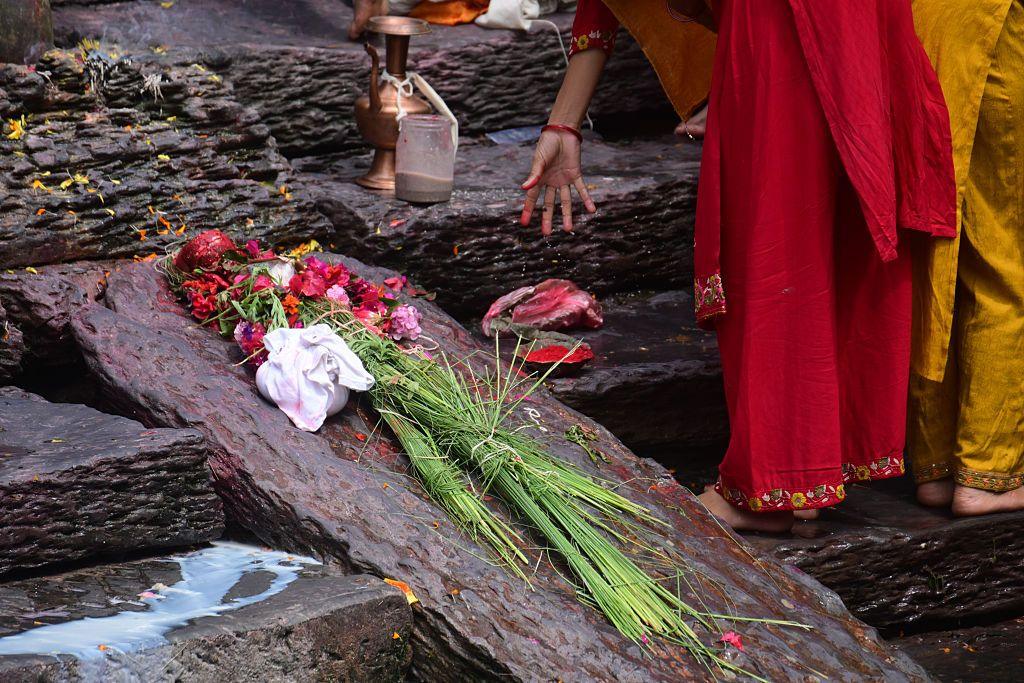
At the Pashupatinath temple on the banks of the Bagmati River in Kathmandu, Madan Lal Lawat joined other families in honouring loved ones who were lost when a deadly flood tore through the China‑Nepal border last month. With more than 5,000 people still missing and the government ending rescue operations, this is the only way people like Lawat can honour the dead.

In Hindu tradition, when a body cannot be recovered a symbolic effigy is made from sacred "kusha" grass to represent the dead, allowing relatives to perform last rites. Lawat’s brother Mangal died while trying to warn neighbors, and the family now faces a legal maze that only presumes death after twelve years.
Despite DNA programmes that have recovered over 1,400 bodies, families can only claim compensation if they have a death certificate. The Nepalese government’s Civil Code requires a 12‑year period of absence before someone can be declared dead, a rule that does not account for the mass displacement caused by the flood.
Families such as Lawat’s are caught in an administrative nightmare: no death certificate means no funeral permit, no access to the government's 200,000‑rupee bereavement compensation or the 25,000 rupee funeral grant. Local officials have turned away applicants, citing ongoing discussions with the central government.
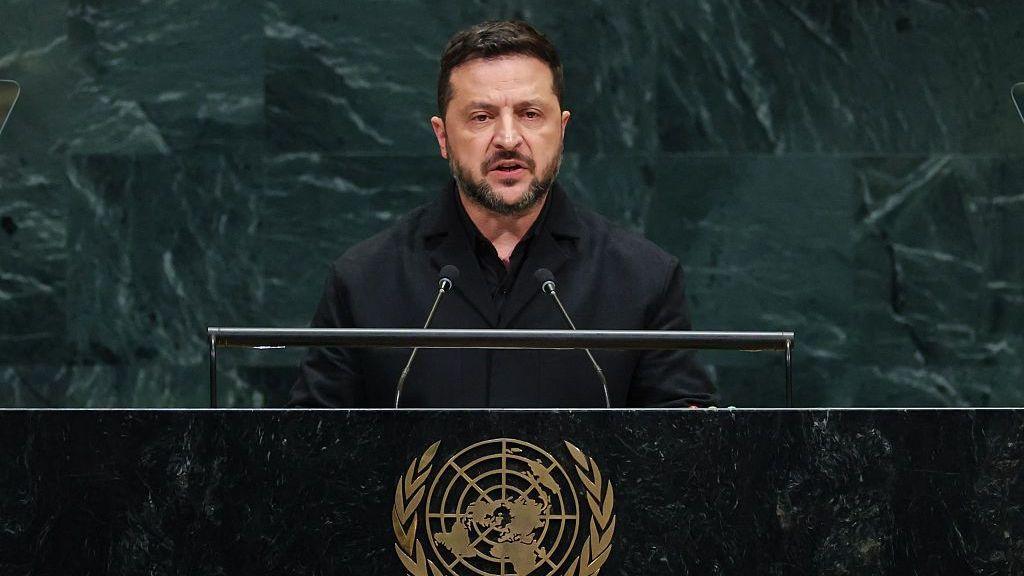
Prime Minister Balen Shah has acknowledged the problem at the United Nations and is pressing the federal government to amend the law, while the home ministry says it is ready to act if required. The reconstruction bill could cost up to 3.6 bn pounds, so getting families settled quickly is a priority.
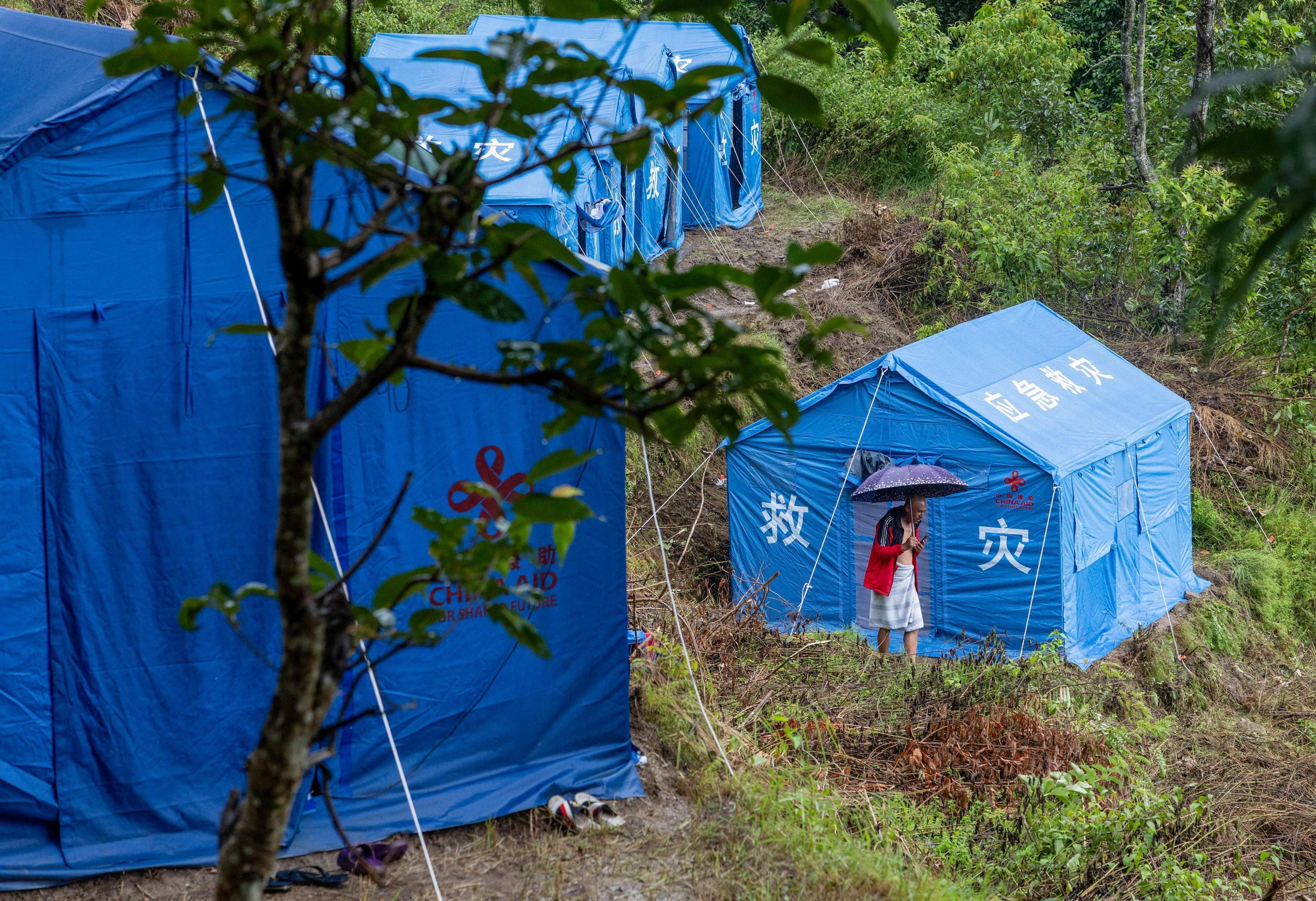
The flood was not the first calamity in this region – the 2015 earthquake also devastated Betrawati, where the remaining survivors now live in temporary holding centres.