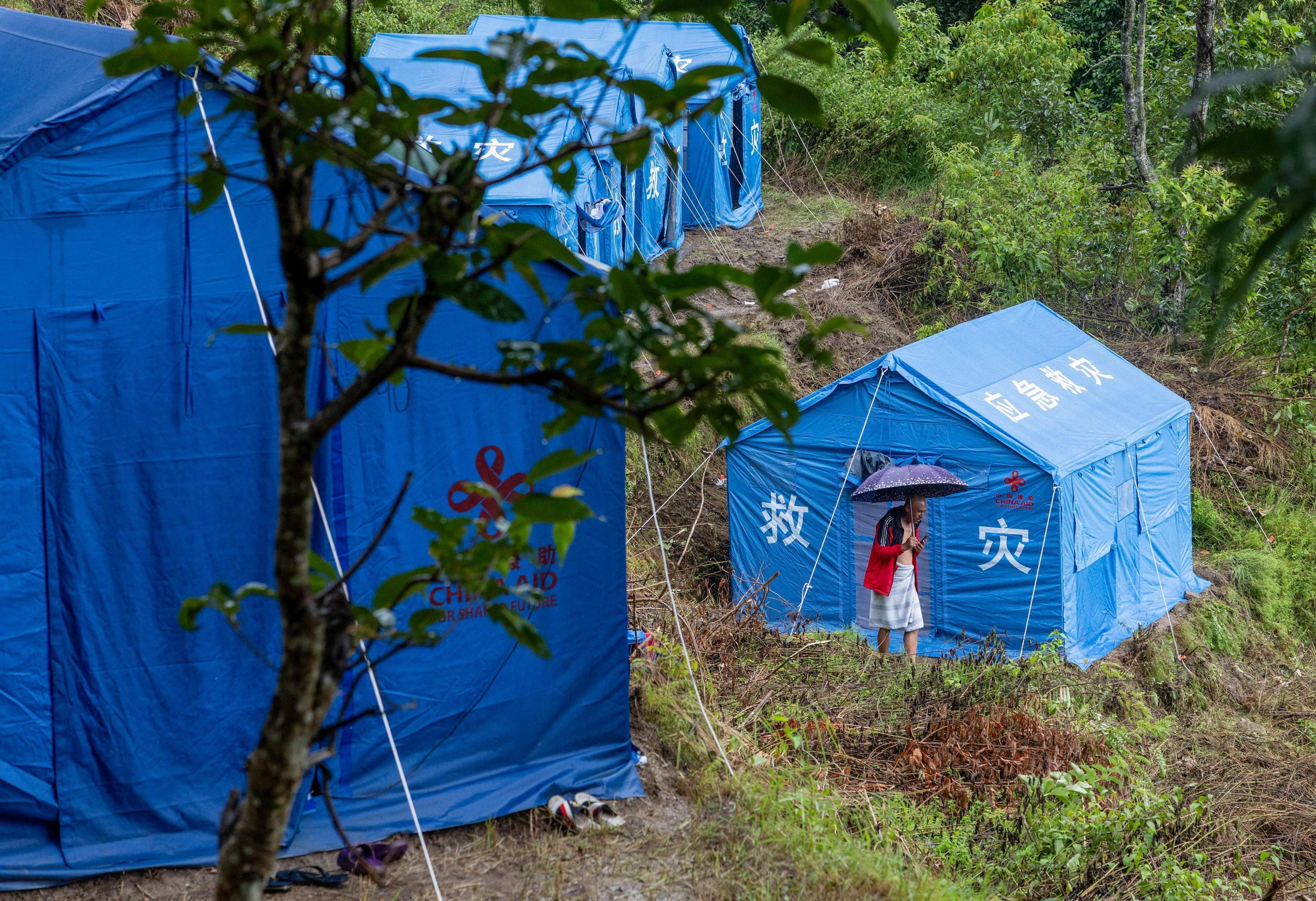
Heavy rainfall has surged anew across Nepal, igniting several deadly landslides that have killed at least 30 people and left thousands more missing from the devastating floods of August.
The National Disaster Management Authority says more than 1,900 families have been affected since the end of last week, with over 240 homes damaged and many roads, bridges and buildings washed away. As a result, the renowned Annapurna Circuit – a vital source of revenue for the nation’s trekking industry – has been rendered largely impassable.
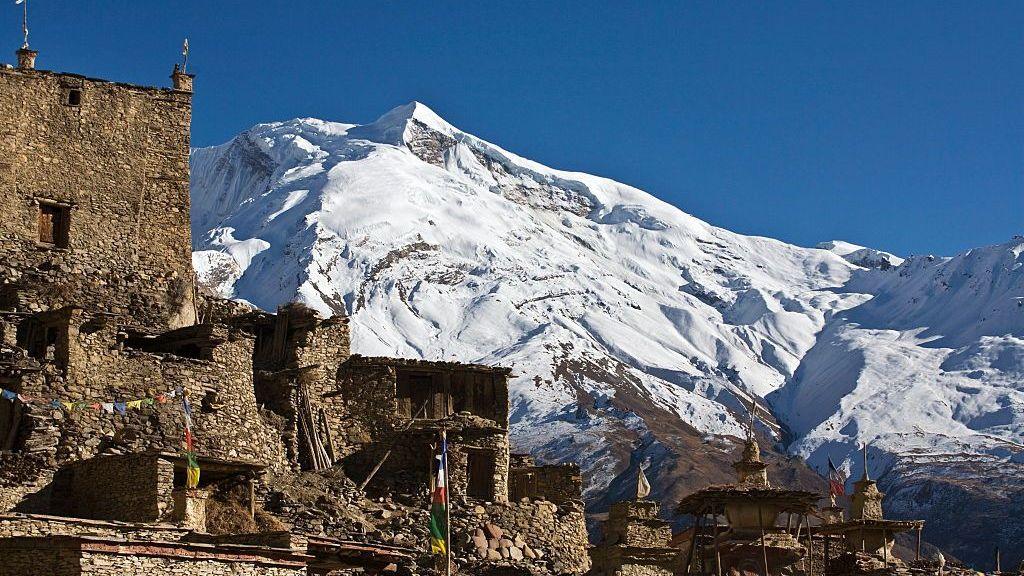
Hundreds of international hikers and local guides were forced to abandon the three‑week trek that usually snakes through the remote districts of Manang and Mustang. Many were air‑lifted from these high‑altitude villages, where collapsed roads and swept‑away bridges make the descent a perilous endeavor that can take three or four days.
Local residents in towns such as Battar are mourning as their lives are upended. “We used to live in a hut, but now there is nothing. We have lost so many of our relatives,” said Buti Tamang to the BBC Nepali outlet. “The tent is leaking now, and we have no place to go,” added Ramesh Ghale, who had also fled his home.
Trekkers recount the challenges of traversing the damaged trail. Jan K. from the UK said that after heavy snowfall the group decided not to cross the Thorang La pass, the highest point on the circuit, and that they had to forge new paths over muddy slopes while staying vigilant for sudden mudflows. In Manang the district chief, Mukti Prasad Khanal, confirmed that road damage had been severe but no fatalities had occurred in the trekking zone, although an avalanche near Himlung Peak has claimed four bodies and left 12 missing.
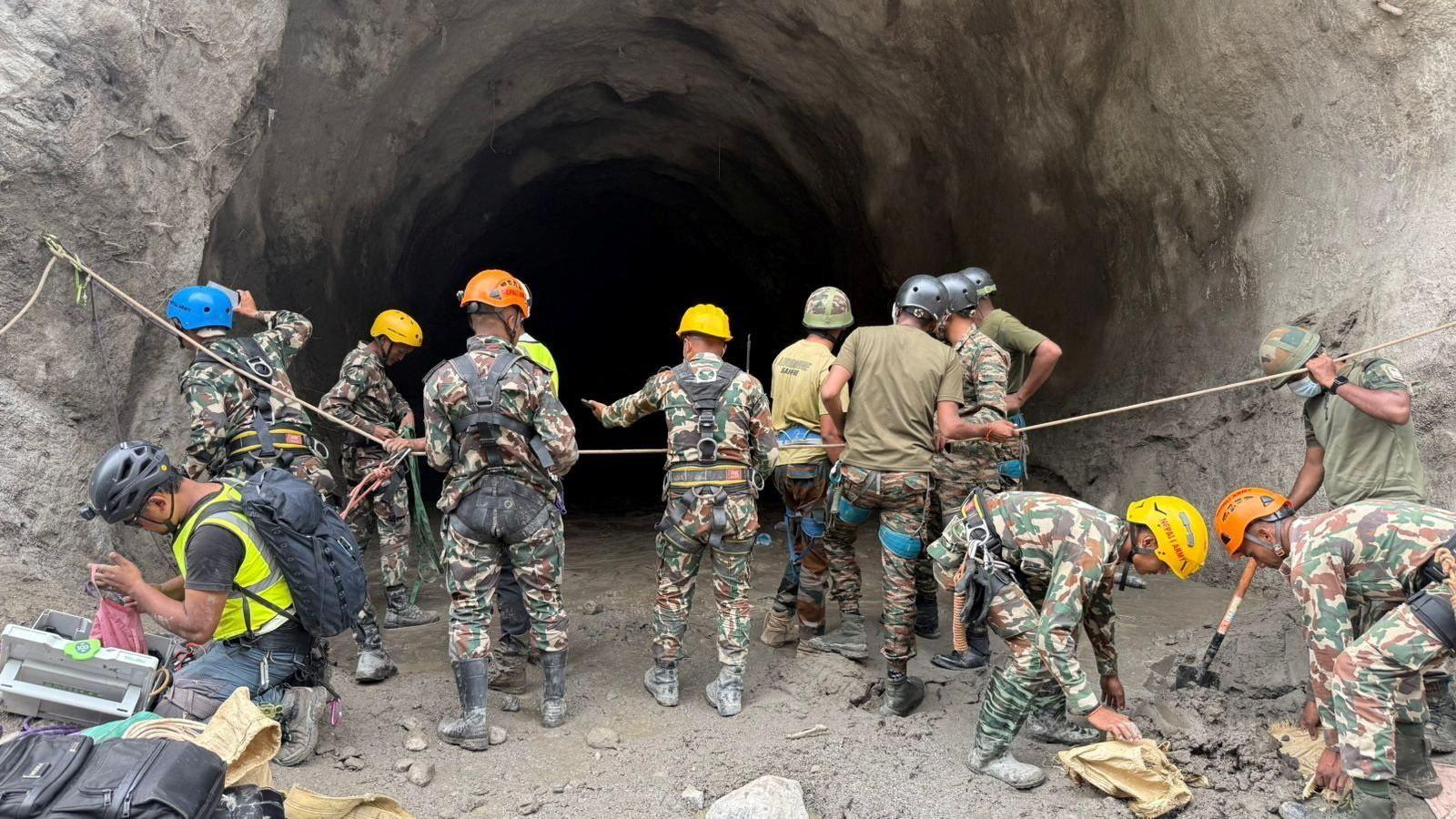
Emergency services and local authorities are struggling to keep the region open. The Annapurna Conservation Area Project reported that about 700 trekkers are still waiting in Pokhara to start the circuit, and that many Indian pilgrims to the ancient temple Muktinath have been directed to fly from Jomson to Pokhara because a key road has been cut off.
These new disasters compound the mounting toll of the nation’s recent climate crisis, highlighting the fragility of Nepal’s transport links and the need for resilient infrastructure in the face of extreme weather events.