In brief
After treacherous flash floods on the Nepal‑Tibet border, a tragic toll of more than 1,200 deaths and thousands missing has left the country in disarray. The floods have blocked roads, destroyed homes and overwhelmed emergency shelters, prompting officials to call for billions in aid to rebuild villages and infrastructure. Researchers are still investigating the precise causes of the sudden deluge, but climate change is a likely contributor, especially as Nepal remains one of the most climate‑vulnerable yet low‑emission nations. The BBC South Asia team reports that rebuilding efforts will need to address both immediate relief and long‑term resilience against future hazards.
Rebuilding Nepal after catastrophic floods
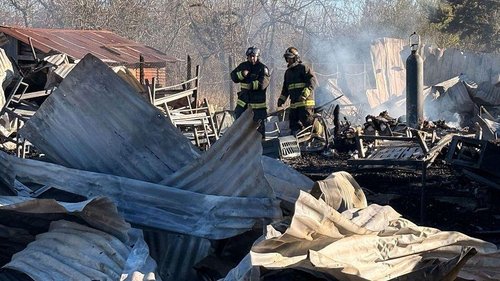
The flash floods that struck the Nepal‑Tibet border have left a trail of death and devastation. More than 1,200 people have perished while thousands remain missing, and the region is now overrun with rubble, impeding access to communities.
Governments have recognised that the scale of destruction demands unprecedented financial support. Officials say billions of dollars are required to restore roads, houses and essential public services that have been destroyed or crippled by the sudden surge of water.
Researchers are still investigating the exact cause of the sudden surge of water, with climate change being a leading indicator. Nepal, despite being a low emitter of greenhouse gases, sits high in the climate‑risk leaderboard, and its fragile mountainous terrain is prone to such natural calamities.
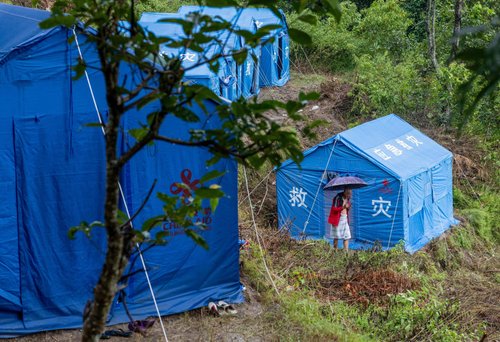
The BBC South Asia correspondent Azadeh Moshiri is on the ground in the affected districts, observing how authorities are coordinating the initial stages of rebuilding amid the ongoing debris and poorly‑connected roadways. She reports that local communities are beginning to reclaim abandoned lands and erect temporary shelters as they await official aid and long‑term funding.