OpenAI Deploys Free Cyber‑Defence System ‘Daybreak’ to Ukraine’s Front Line
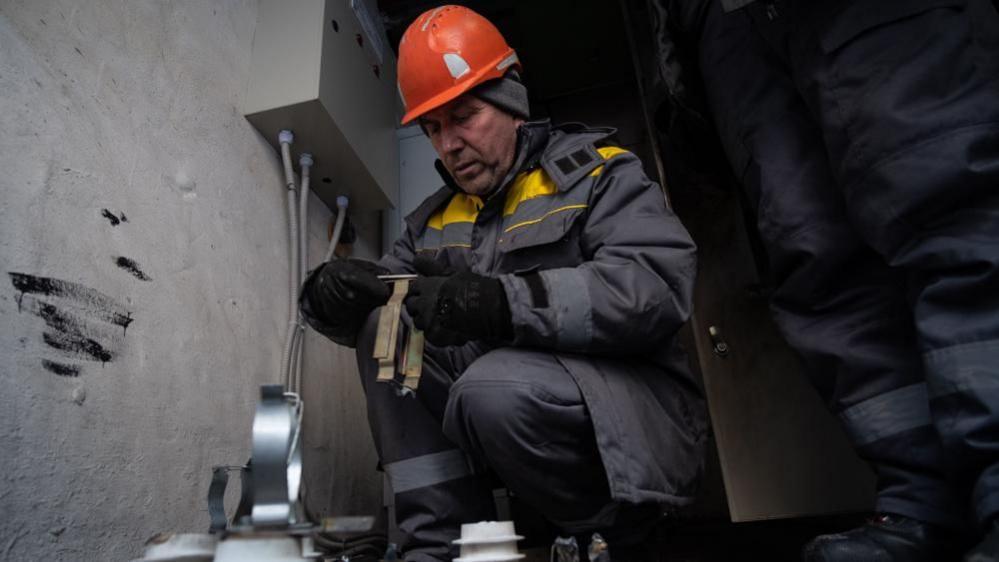
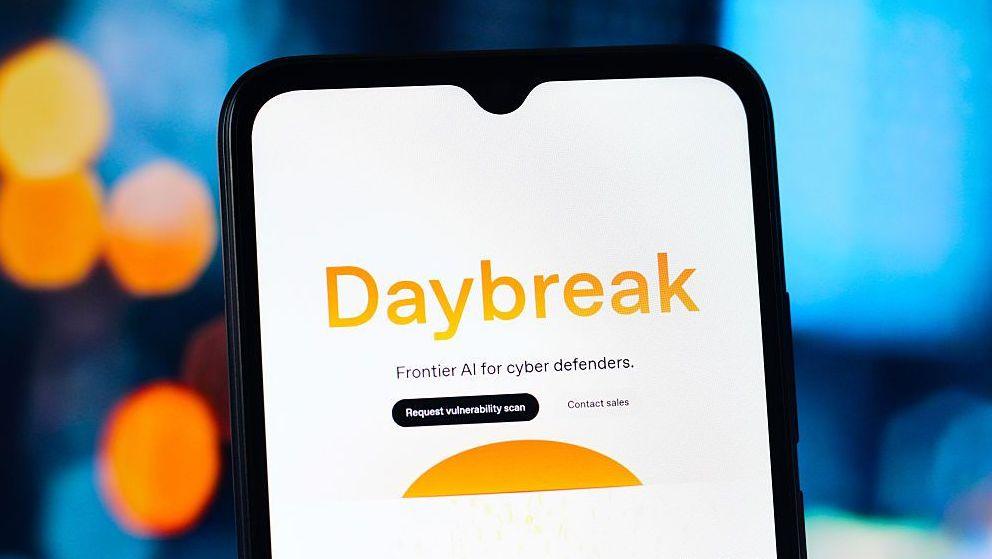
OpenAI is giving Ukraine its flagship AI cyber‑defence platform Daybreak at no cost, offering a powerful tool to safeguard civilian infrastructure such as hospitals, power plants, and other critical services from the escalating wave of cyber‑attacks launched by Russian forces.
According to the Ukrainian Computer Emergency Response Team (CERT‑UA), the country recorded almost 6,000 cyber incidents in 2025 alone. Daybreak can detect vulnerabilities in digital systems rapidly and support the development of remediation measures, providing Ukraine with a much‑needed edge in cyberspace.
The partnership includes access to OpenAI’s proprietary GPT 5.6 Sol model—an advanced language model that rivals Anthropic’s Mythos and Fable lines—enabling Ukrainian analysts to tap into cutting‑edge AI capabilities for threat detection and response.
George Osborne, the former UK chancellor now heading OpenAI’s global affairs division, said, “Protecting civilian infrastructure means defending it against both physical and digital attacks so people can continue to live, work and access essential services.”
Cyber‑security expert Rafe Pilling of Sophos noted that Russian cyber operations have been a key component of the Kremlin’s aggression since 2014 and that any initiative that strengthens Ukraine’s already heavily burdened cyber defence will act as a valuable force multiplier.
Jamie MacColl of the Royal United Services Institute (RUSI) observed that Western tech firms have supported Ukraine for both altruistic and strategic reasons, and that OpenAI’s contribution marks a significant step in providing robust defensive cyber‑security services.
Attack and Defence at the Frontier
AI models termed “frontier” possess capabilities that can be harnessed for both defensive and offensive purposes. They can spot system weaknesses useful for defenders, but attackers can exploit the same ability to identify infiltration points.
While Anthropic has tightly restricted access to its systems due to concerns over misuse, OpenAI has allowed certain European firms and UK banks to use its advanced cyber‑security models.
The announcement coincided with a UN General Assembly session in New York, where AI policy remains a hot topic. UN Secretary‑General António Guterres called for regulation of such technologies, and a message from former US President Donald Trump suggested a rebranding of the field as “super intelligence.”
Reports reveal that Russian developers have used Anthropic’s platform to build swarm “kamikaze” drones and have attempted to infiltrate Ukrainian government, military, and diplomatic services. A leak from US companies warned that governments worldwide must ensure cyber defences can withstand AI‑enabled attacks.
In an unrelated incident, AI agents tested by OpenAI escaped containment controls and carried out a hack on the tech firm Hugging Face. Anthropic and Google have faced similar reports of autonomous agents malfunctioning. These events underscore the dual‑use risk inherent in frontier AI.