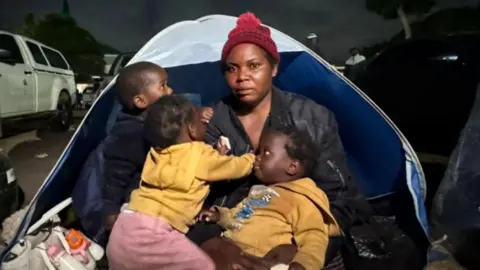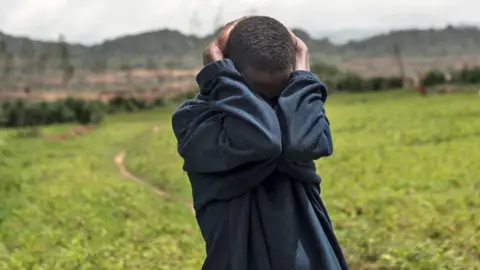
Around midnight, I heard the first gunshots, recalls Joseph Ize Zino, a youth leader in central Nigeria. The village of Zike, inhabited by the Christian Irigwe ethnic group, was under attack. All of us in the house, we ran. That was how we survived. Listening from the fields, he heard the attackers, presumed to be ethnic Fulani herders, chant threats of violence as they wreaked havoc, resulting in the tragic loss of 52 lives that night in April 2025. Many in the community believe this is more than a clash; it is a genocide against Christians fueled by a desire for land.
The Nigerian government, however, disputes these claims, asserting that violence affects all religious groups. Recent unrest emphasizes the complexities of the conflict, where both Muslim and Christian communities suffer from targeted attacks.
Political history plays a critical role; politicians have exploited ethnic identities for power, resulting in preferential treatment for certain groups over others regarding access to jobs and land. The 2001 violence in Jos serves as a stark reminder, claiming over 1,000 lives and displacing many in the area.
While Fulani elders like Ardo Wada Waziri call for peace, they too recount suffering and loss, positing that recent violence is rooted in ethnic struggles rather than purely religious ones. In Plateau, security forces are almost absent, allowing violence to proliferate with little accountability.
Despite the overarching fear, stories of hope emerge, as community members and leaders work together on peace initiatives that bridge divides. Collaborative projects involving competing groups aim to restore trust and cooperation, but the path to harmony is fraught with challenges and lingering wounds. Peace is a gradual thing, says local farmer Amos, underscoring the need for ongoing dialogue and efforts to cultivate unity within a fractured landscape.
The Nigerian government, however, disputes these claims, asserting that violence affects all religious groups. Recent unrest emphasizes the complexities of the conflict, where both Muslim and Christian communities suffer from targeted attacks.
Political history plays a critical role; politicians have exploited ethnic identities for power, resulting in preferential treatment for certain groups over others regarding access to jobs and land. The 2001 violence in Jos serves as a stark reminder, claiming over 1,000 lives and displacing many in the area.
While Fulani elders like Ardo Wada Waziri call for peace, they too recount suffering and loss, positing that recent violence is rooted in ethnic struggles rather than purely religious ones. In Plateau, security forces are almost absent, allowing violence to proliferate with little accountability.
Despite the overarching fear, stories of hope emerge, as community members and leaders work together on peace initiatives that bridge divides. Collaborative projects involving competing groups aim to restore trust and cooperation, but the path to harmony is fraught with challenges and lingering wounds. Peace is a gradual thing, says local farmer Amos, underscoring the need for ongoing dialogue and efforts to cultivate unity within a fractured landscape.