PITTSBURGH (RTW News) — This spring, Pittsburgh's media landscape has experienced a dramatic near-collapse followed by a surprising revival.
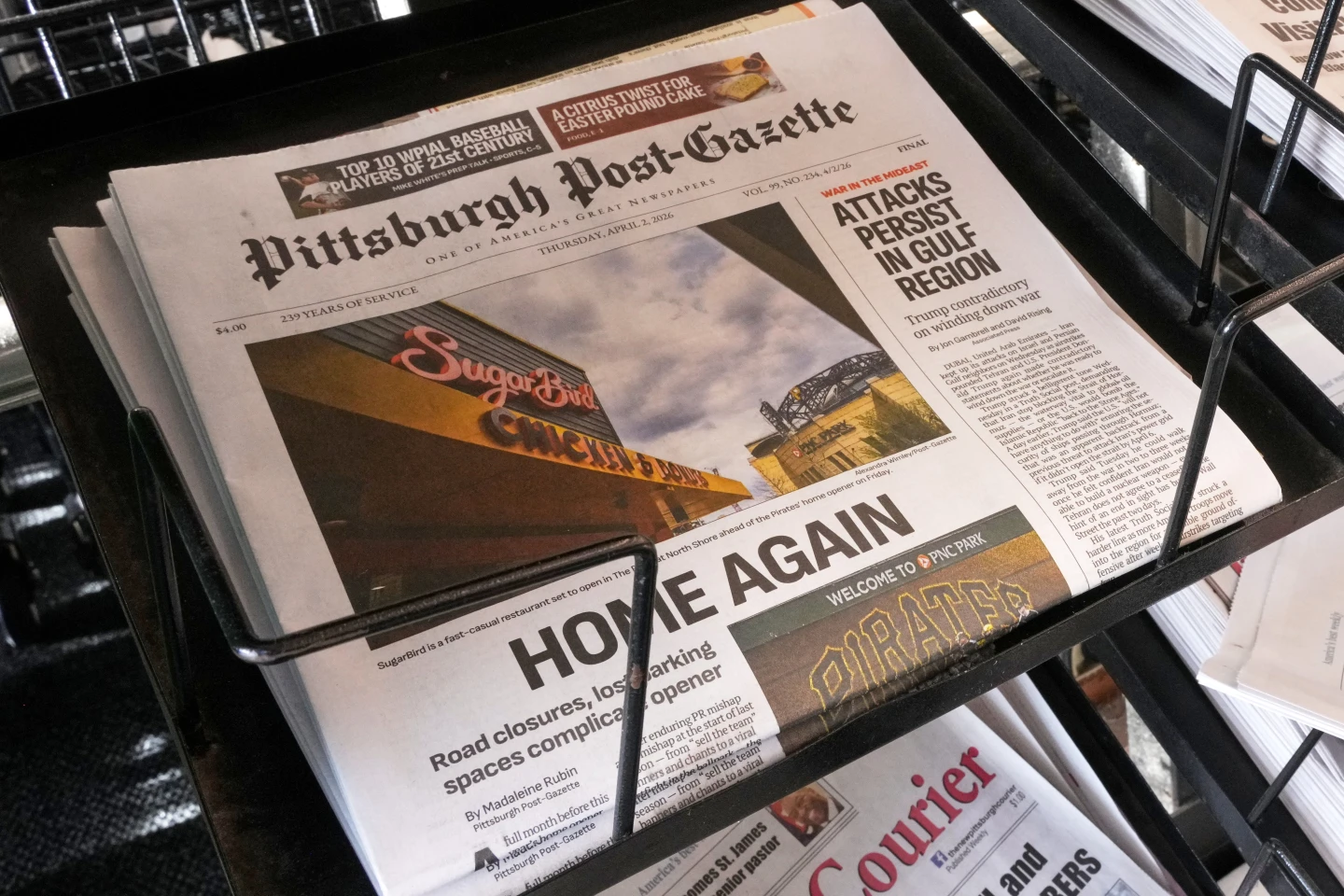
Last week, the ownership of the historic Pittsburgh Post-Gazette announced its sale to a nonprofit foundation committed to keeping the newspaper operational. This sale prevented a potential closure on May 3, which would have left Pittsburgh as the largest U.S. city without a local paper.
In a remarkable twist earlier this spring, the alternative Pittsburgh City Paper, which had announced its closure after 34 years, made an unexpected comeback under new ownership.
Local media has faced significant challenges in the past two decades, with numerous newsrooms closing and staff being reduced, leaving many in the community unsure about the future of journalism in Pittsburgh.
Halle Stockton, co-executive director of Public Source, commented on the disruptions, saying, Sometimes you have to be shaken a bit to realize what’s important in your life.
An Evolution of the Post-Gazette
The journalistic legacy of the Post-Gazette dates back to 1786, making it the oldest newspaper west of the Allegheny Mountains. The publication underwent several name changes until it was finally named the Post-Gazette in 1927 due to market consolidation.
It garnered a Pulitzer Prize in 2019 for its coverage of the tragic Tree of Life synagogue shooting. However, labor disputes and declining readership have plagued its recent history.
Despite these challenges, the local journalism community has proactively sought solutions. Pittsburgh Tribune-Review plans to reinstate its Sunday print edition and expand its journalist team amidst these transitions.
A New Era for Nonprofit Journalism
With the sale of the Post-Gazette, many have speculated about the impact of nonprofit ownership on local journalism. The Venetoulis Institute for Local Journalism plans to invest significantly in revitalizing the publication, aiming to reshape how news is delivered to the community.
This transition may serve as a model for other struggling newspapers across the nation, particularly as all media outlets seek collaboration to enhance local news coverage.
Engaging Younger Audiences
While restructuring occurs, a major challenge remains: engaging younger audiences. Research shows declining interest in local news, with many gravitating towards social media platforms like Instagram and TikTok for information.
David Bauder points out, It’s clear that news organizations need to adapt and collaborate to meet the evolving landscape of media consumption among younger generations.
Whether these changes can successfully reinvigorate Pittsburgh's media will be closely watched, as community members seek trustworthy sources to stay informed.