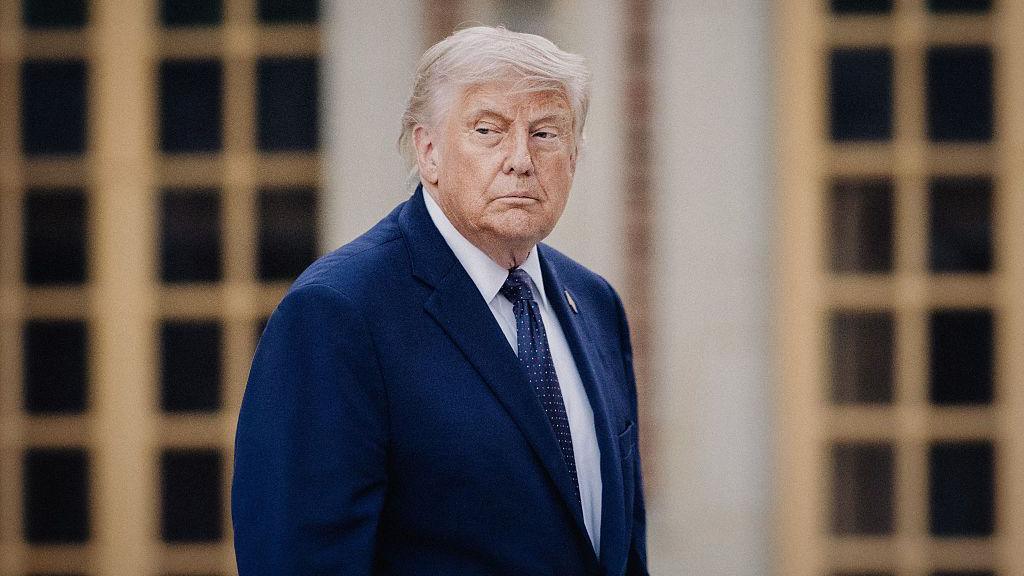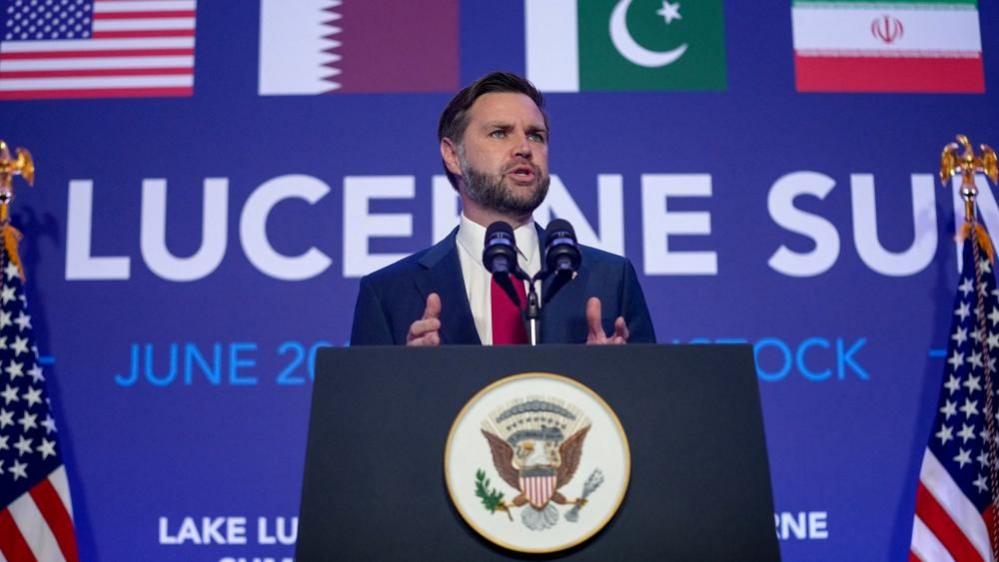
President Donald Trump has pledged to target infrastructure across Iran unless the country reaches an acceptable deal to end the war with the US and Israel by Tuesday night.
Promising to bomb the country back to the Stone Ages, Trump stated that US forces would target bridges and power plants in Iran. He also warned on social media that a whole civilization will die tonight if an agreement is not reached.
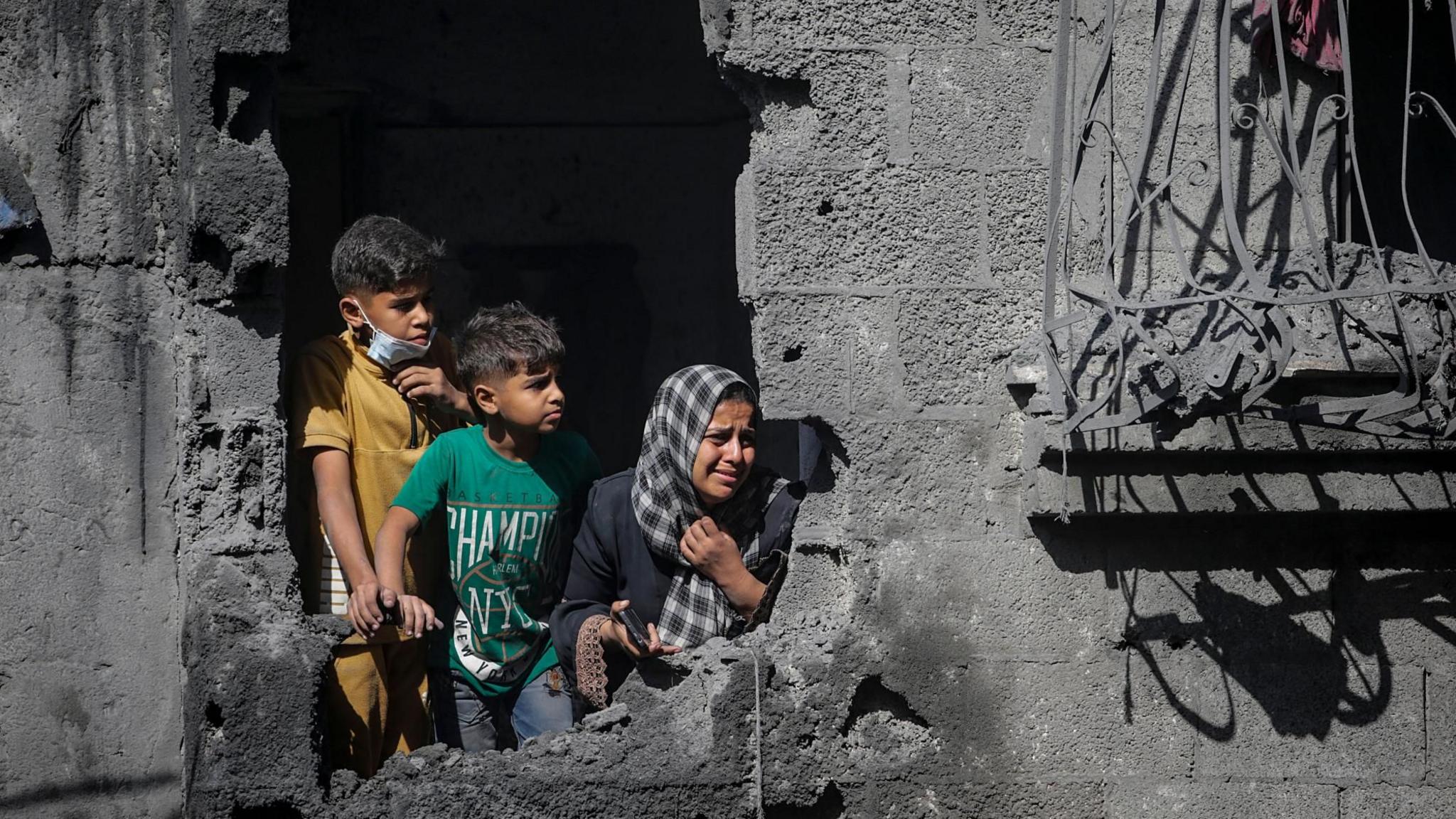
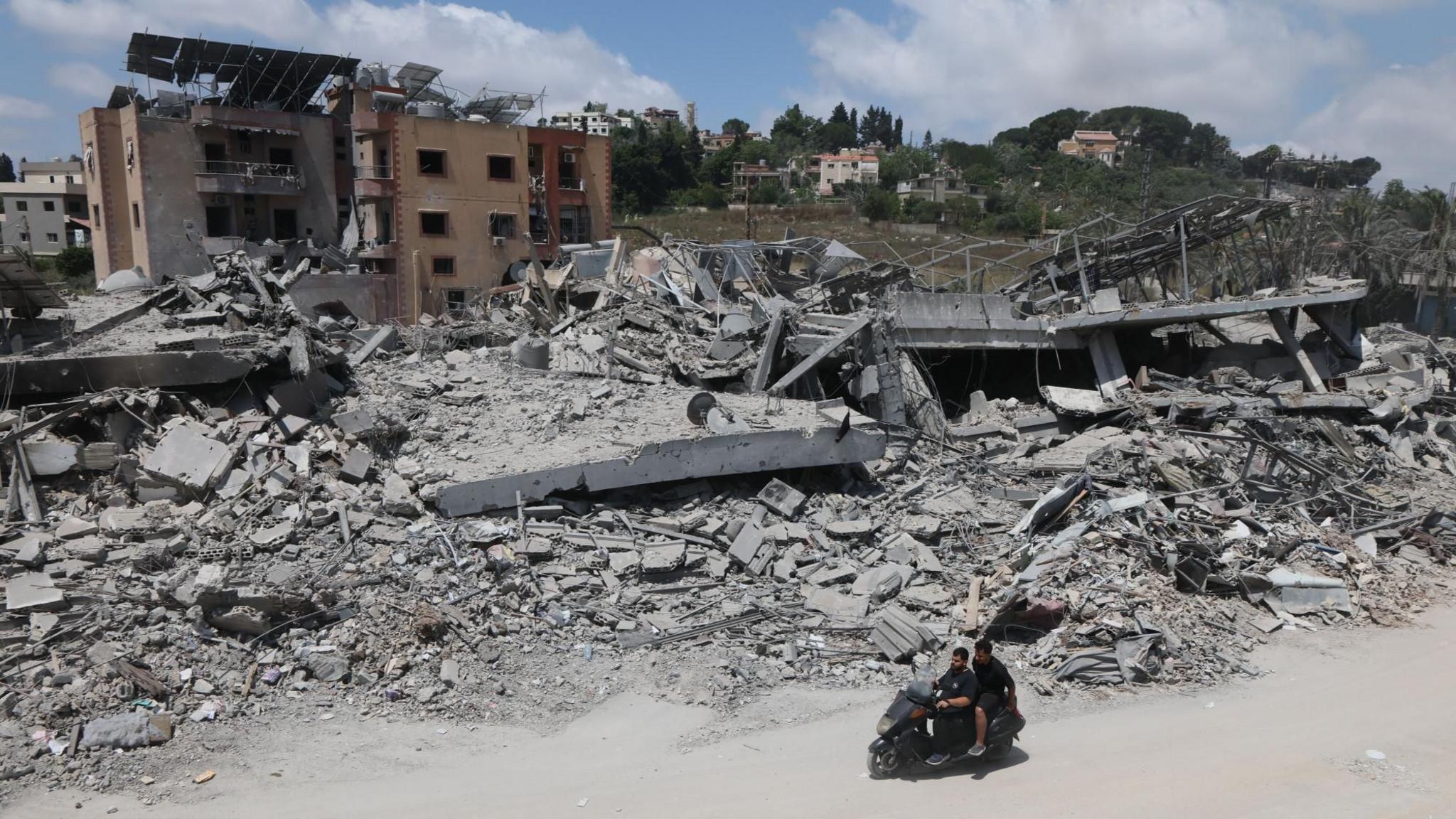
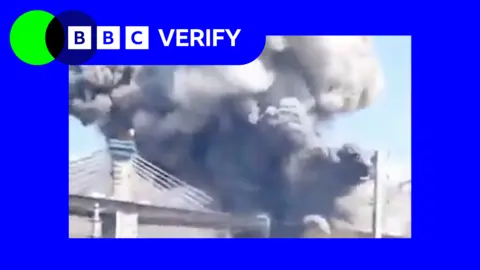
A series of attacks on vital infrastructure in Iran have already been conducted, damaging schools and hospitals amidst the ongoing conflict. BBC Verify confirmed that US and Israeli strikes have significantly impacted at least two steel plants, three bridges, and a pharmaceutical plant over the last two weeks.
Some US Congress members and UN officials have questioned the legality of these strikes, suggesting they could be considered war crimes, although Trump has dismissed these concerns.
What civilian infrastructure has been hit by strikes?
On Thursday, US forces attacked a bridge under construction in Karaj, killing at least 13 people, according to local officials. Additionally, imagery confirmed by BBC Verify showed substantial damage from attacks on major steel facilities, including the Isfahan Mobarakeh Steel Company, Iran's largest steel manufacturer.
Israeli Prime Minister Benjamin Netanyahu claimed that these strikes have compromised up to 70% of Iran's steel manufacturing, potentially jeopardizing the country's economy. Experts estimate that such attacks on steel production facilities could threaten 20 million tons of output, severely impacting Iran's GDP.
Moreover, pharmaceutical facilities have also been targeted, including the Tofigh Daru Research & Engineering Company, highlighting the potential risks to civilian health during this period of conflict.
The attack on infrastructure has drawn international scrutiny, with legal experts commenting on the ramifications under international law. While strikes against military targets are justifiable in warfare, they cannot result in disproportionate harm to civilians.
As tensions rise, the repercussions of these military engagements continue to unfold, impacting not only the political landscape but also the lives of ordinary Iranians caught in the crossfire.