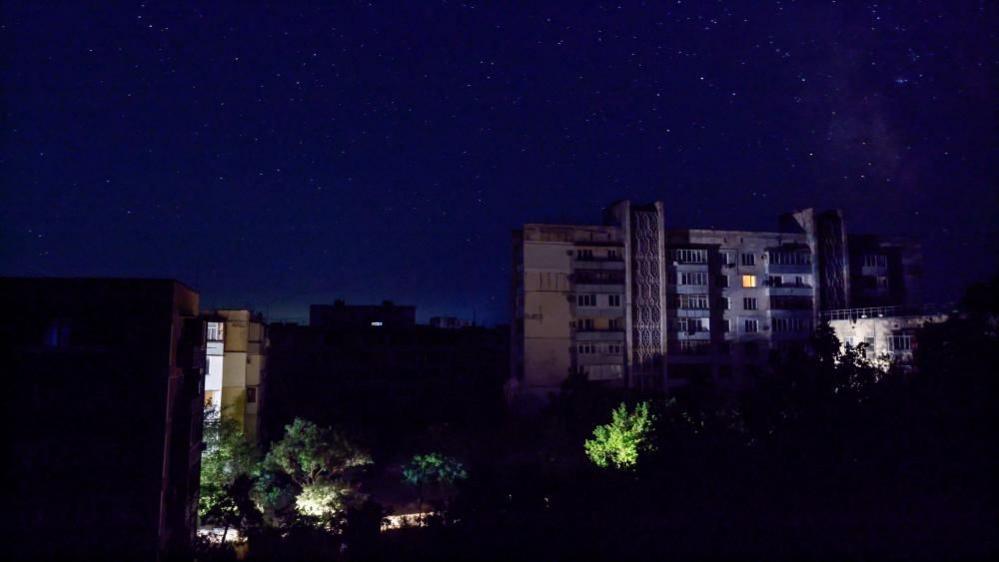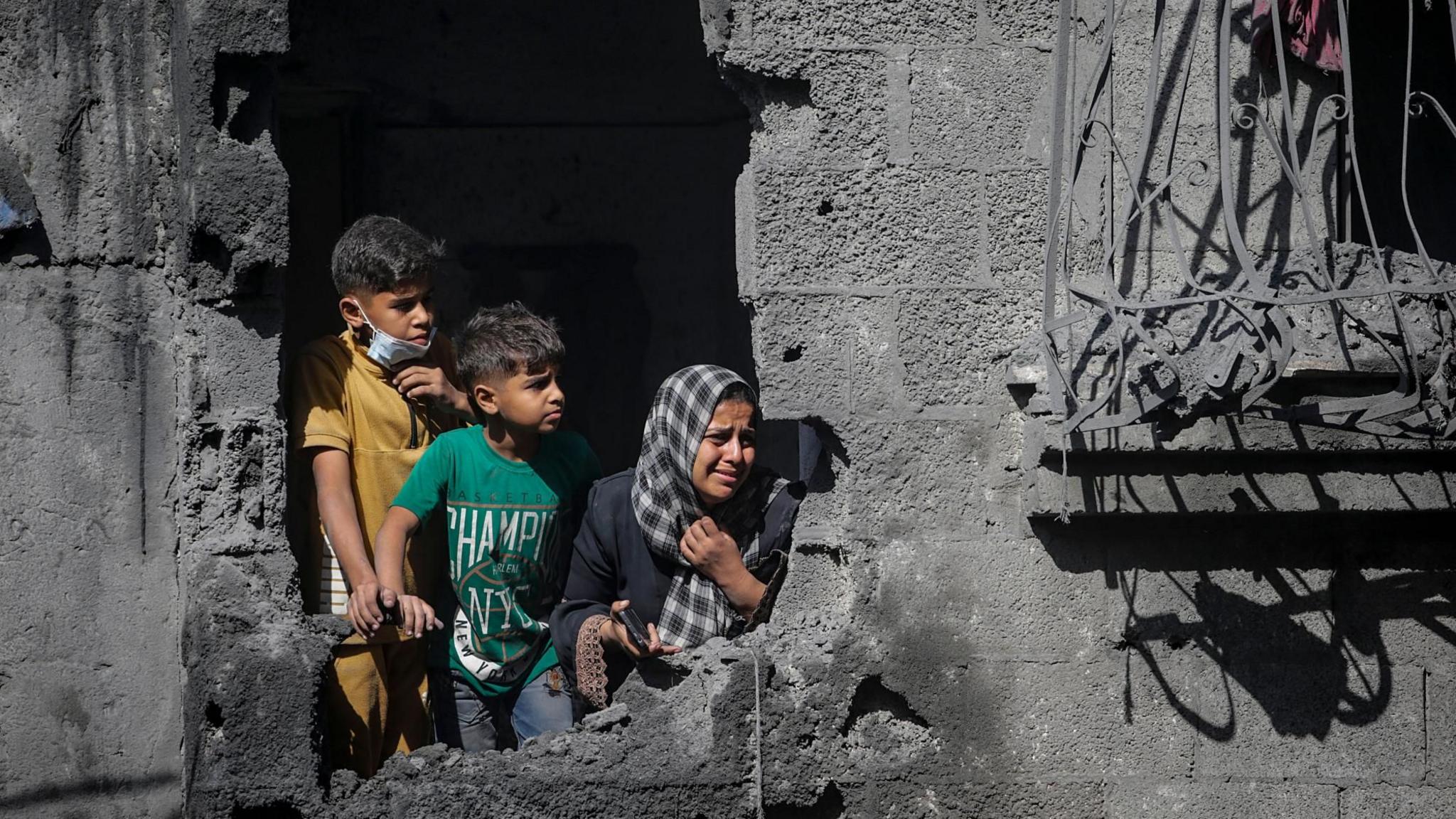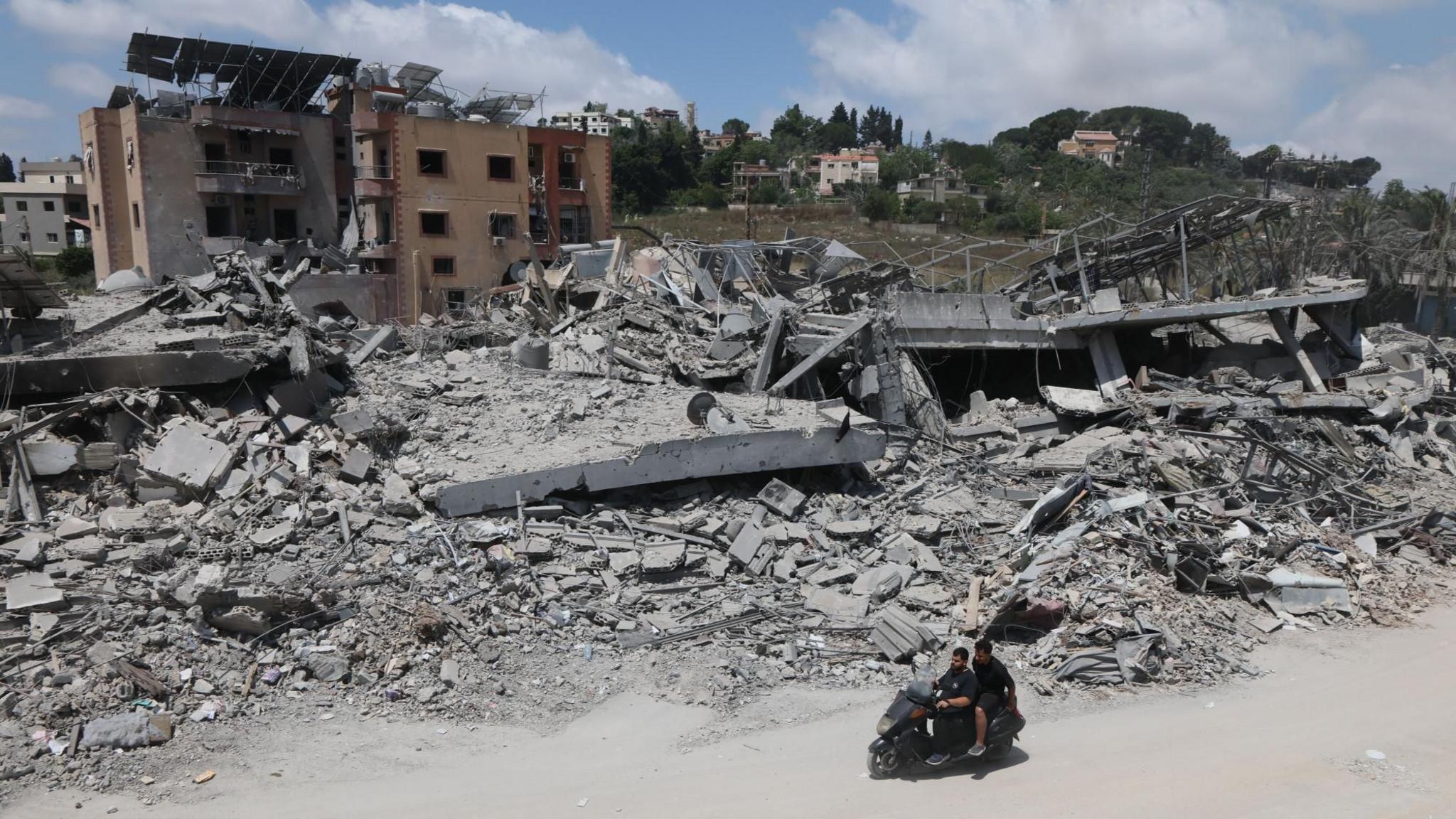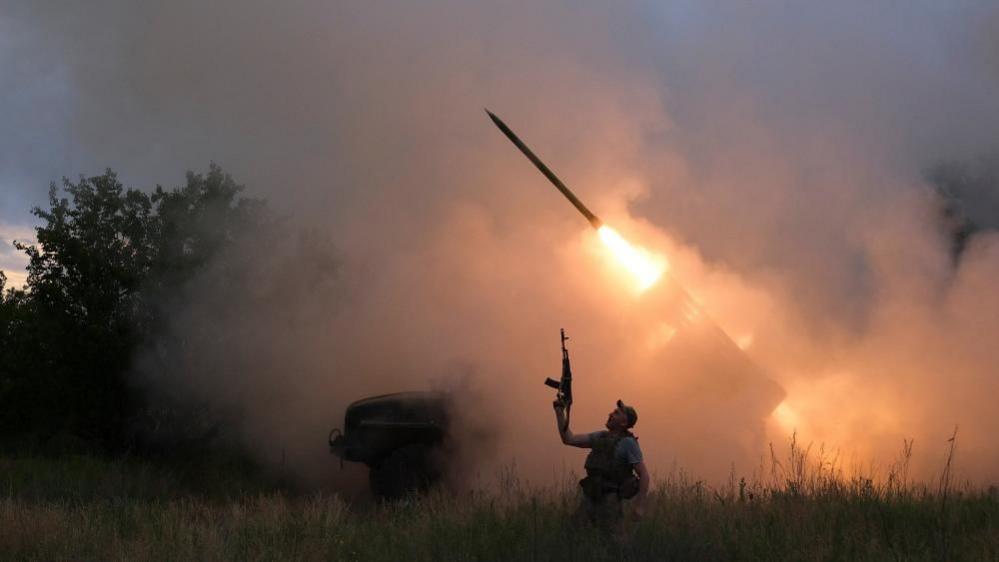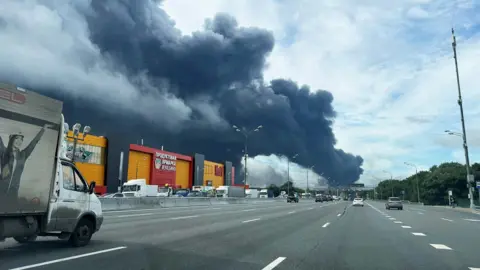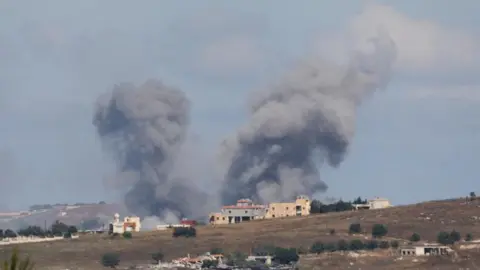
An Orthodox Easter truce agreed by Russia and Ukraine came into force on Saturday afternoon but 38 minutes later we heard air raid sirens in Kharkiv region, northeastern Ukraine. Since then, officials and military have recorded multiple ceasefire violations along the frontline, although no long-range missile or drone strikes. The pause in fighting is supposed to last until Easter Monday to give people a much-needed rest, more than four years after Russia launched its full-scale invasion.
Easter should be a time of safety, a time of peace, Ukraine's President Volodymyr Zelensky wrote on X, warning that Ukrainian forces would respond strictly in kind to any actions by Moscow. Expectations and trust are very low here.
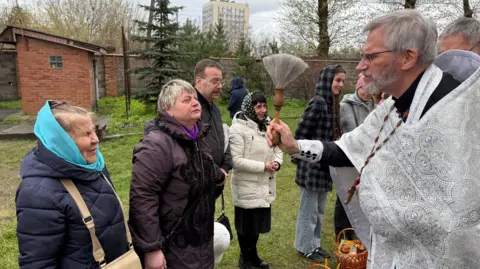
Shortly before the 16:00 (14:00 BST) start time for the truce, families brought baskets full of iced Easter cakes, painted eggs and sausage to St John the Theologian Church for a blessing. They formed a line around the building to be doused with holy water by the parish priest.
The service, traditionally held just before midnight, was moved to mid-afternoon this year because of the curfew. Inside the church, Fr Viktor questioned the significance of a Russian ceasefire, reflecting wider skepticism among the congregation. Many believe that any temporary pause in fighting will soon give way to further violence.
At a nearby military training ground, members of a UAV unit continue their preparations, equipped with new drones intended for combat. Their commander, Heorhiy, remains cautious, asserting that they must be ready for possible attacks amidst the ceasefire.
Despite the violence, there persists a hope for true peace talks as suggested by the Ukrainian troops. Zelensky has proposed transforming this temporary truce into a lasting ceasefire but has been met with rejection from the Kremlin, indicating that military actions are expected to resume.
As residents cope with the deafening silence followed by anxiety, they yearn for peace that transcends the fragile truce, which offers merely a fleeting moment of respite. Olha, a local, poignantly shared her desire for lasting peace, emphasizing that this truce is only 1.5 days. But at least we can rest a bit amidst the familiar trepidation of potentially losing their lives at any moment.
Easter should be a time of safety, a time of peace, Ukraine's President Volodymyr Zelensky wrote on X, warning that Ukrainian forces would respond strictly in kind to any actions by Moscow. Expectations and trust are very low here.
Shortly before the 16:00 (14:00 BST) start time for the truce, families brought baskets full of iced Easter cakes, painted eggs and sausage to St John the Theologian Church for a blessing. They formed a line around the building to be doused with holy water by the parish priest.
The service, traditionally held just before midnight, was moved to mid-afternoon this year because of the curfew. Inside the church, Fr Viktor questioned the significance of a Russian ceasefire, reflecting wider skepticism among the congregation. Many believe that any temporary pause in fighting will soon give way to further violence.
At a nearby military training ground, members of a UAV unit continue their preparations, equipped with new drones intended for combat. Their commander, Heorhiy, remains cautious, asserting that they must be ready for possible attacks amidst the ceasefire.
Despite the violence, there persists a hope for true peace talks as suggested by the Ukrainian troops. Zelensky has proposed transforming this temporary truce into a lasting ceasefire but has been met with rejection from the Kremlin, indicating that military actions are expected to resume.
As residents cope with the deafening silence followed by anxiety, they yearn for peace that transcends the fragile truce, which offers merely a fleeting moment of respite. Olha, a local, poignantly shared her desire for lasting peace, emphasizing that this truce is only 1.5 days. But at least we can rest a bit amidst the familiar trepidation of potentially losing their lives at any moment.