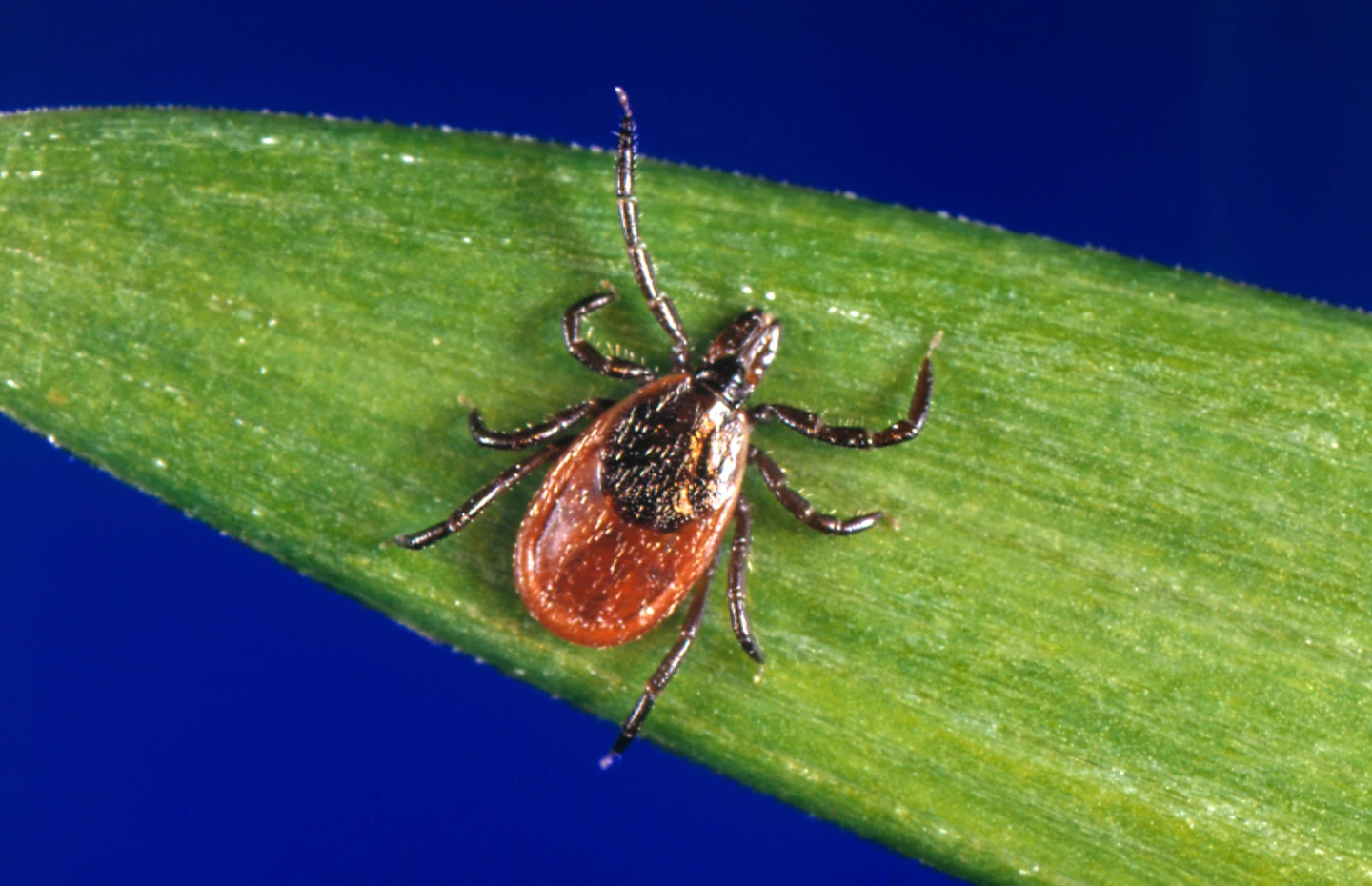
NEW YORK (RTWNews) — The onset of the 2023 tick season is marked by reports of an unusually high number of tick bites across the United States, leading to concerns from health experts about a potential spike in tick-borne diseases.
If you have a lot of exposures, there will probably be more cases of tick-related infections, said Dr. Alina Filozov, an infectious disease specialist at Middlesex Hospital in Connecticut. In response to the rising numbers, the Centers for Disease Control and Prevention (CDC) issued a precautionary advisory urging people to be cautious and observe preventive measures against ticks.
Ticks are typically more active in May, and Alison Hinckley, a CDC Lyme disease expert, emphasized that the data suggests immediate action is necessary: Ticks are out, and people are getting bitten.
### ER Visits for Tick Bites on the Rise
Current data from the CDC indicates that emergency room visits for tick bites are at their highest levels for this time of year since 2017 across most regions in the U.S., excluding the south-central area. While about 85% of U.S. emergency departments contribute data to the CDC's surveillance system, it does not include individuals who did not seek medical attention.
It will take time for researchers to analyze tick populations thoroughly, and since not every tick bite results in an infection, it remains to be seen if an actual increase in Lyme disease cases will coincide with this surge in tick encounters.
### The Dangers Ticks Pose
Ticks are small parasites with a significant potential to transmit diseases such as Lyme disease, Rocky Mountain spotted fever, and alpha-gal syndrome—a red meat allergy triggered by tick bites. Each year, around 476,000 individuals in the U.S. are treated for Lyme disease, the most frequent tick-borne ailment.
Early signs this year show that large adult ticks predominately infest the Northeast, with juvenile nymphs expected to appear soon. The emergence of these nymphs, combined with increased outdoor activity, typically leads to a higher incidence of tick bites in May. Nymphs are particularly problematic as they are small and harder to detect on the skin, increasing the likelihood of infections.
### Connecticut Facing a Tick Surge
Connecticut, historically known for its connection to Lyme disease, has reported a troubling increase in tick submissions for testing. Residents are submitting an average of 30 ticks daily for analysis, with nearly 40% testing positive for the Lyme disease-causing bacteria. Factors like a notable rise in local mouse populations in the last two years have contributed to the expanding tick numbers, according to Scott Williams, a tick researcher.
### Preventing Tick Bites
Experts recommend exercising caution when venturing outdoors by staying aware of wooded and grassy areas close to nature. Walking down the center of paths and wearing light-colored clothing treated with the insecticide permethrin can help. Additionally, using EPA-registered insect repellents is advised. In case of a tick sighting, it is critical to remove it promptly but seeking medical attention is typically unnecessary unless symptoms develop or the tick remains attached for an extended period.
The AP Health and Science Department receives support from the Howard Hughes Medical Institute’s Department of Science Education and the Robert Wood Johnson Foundation. The AP is solely responsible for all content.
If you have a lot of exposures, there will probably be more cases of tick-related infections, said Dr. Alina Filozov, an infectious disease specialist at Middlesex Hospital in Connecticut. In response to the rising numbers, the Centers for Disease Control and Prevention (CDC) issued a precautionary advisory urging people to be cautious and observe preventive measures against ticks.
Ticks are typically more active in May, and Alison Hinckley, a CDC Lyme disease expert, emphasized that the data suggests immediate action is necessary: Ticks are out, and people are getting bitten.
### ER Visits for Tick Bites on the Rise
Current data from the CDC indicates that emergency room visits for tick bites are at their highest levels for this time of year since 2017 across most regions in the U.S., excluding the south-central area. While about 85% of U.S. emergency departments contribute data to the CDC's surveillance system, it does not include individuals who did not seek medical attention.
It will take time for researchers to analyze tick populations thoroughly, and since not every tick bite results in an infection, it remains to be seen if an actual increase in Lyme disease cases will coincide with this surge in tick encounters.
### The Dangers Ticks Pose
Ticks are small parasites with a significant potential to transmit diseases such as Lyme disease, Rocky Mountain spotted fever, and alpha-gal syndrome—a red meat allergy triggered by tick bites. Each year, around 476,000 individuals in the U.S. are treated for Lyme disease, the most frequent tick-borne ailment.
Early signs this year show that large adult ticks predominately infest the Northeast, with juvenile nymphs expected to appear soon. The emergence of these nymphs, combined with increased outdoor activity, typically leads to a higher incidence of tick bites in May. Nymphs are particularly problematic as they are small and harder to detect on the skin, increasing the likelihood of infections.
### Connecticut Facing a Tick Surge
Connecticut, historically known for its connection to Lyme disease, has reported a troubling increase in tick submissions for testing. Residents are submitting an average of 30 ticks daily for analysis, with nearly 40% testing positive for the Lyme disease-causing bacteria. Factors like a notable rise in local mouse populations in the last two years have contributed to the expanding tick numbers, according to Scott Williams, a tick researcher.
### Preventing Tick Bites
Experts recommend exercising caution when venturing outdoors by staying aware of wooded and grassy areas close to nature. Walking down the center of paths and wearing light-colored clothing treated with the insecticide permethrin can help. Additionally, using EPA-registered insect repellents is advised. In case of a tick sighting, it is critical to remove it promptly but seeking medical attention is typically unnecessary unless symptoms develop or the tick remains attached for an extended period.
The AP Health and Science Department receives support from the Howard Hughes Medical Institute’s Department of Science Education and the Robert Wood Johnson Foundation. The AP is solely responsible for all content.