Israeli Prime Minister Benjamin Netanyahu has ordered his government to begin direct talks with Lebanon, he said in a statement on Thursday. The negotiations will focus on the disarmament of Hezbollah, the Iran-backed Lebanese political and militant group, and establishing peaceful relations.
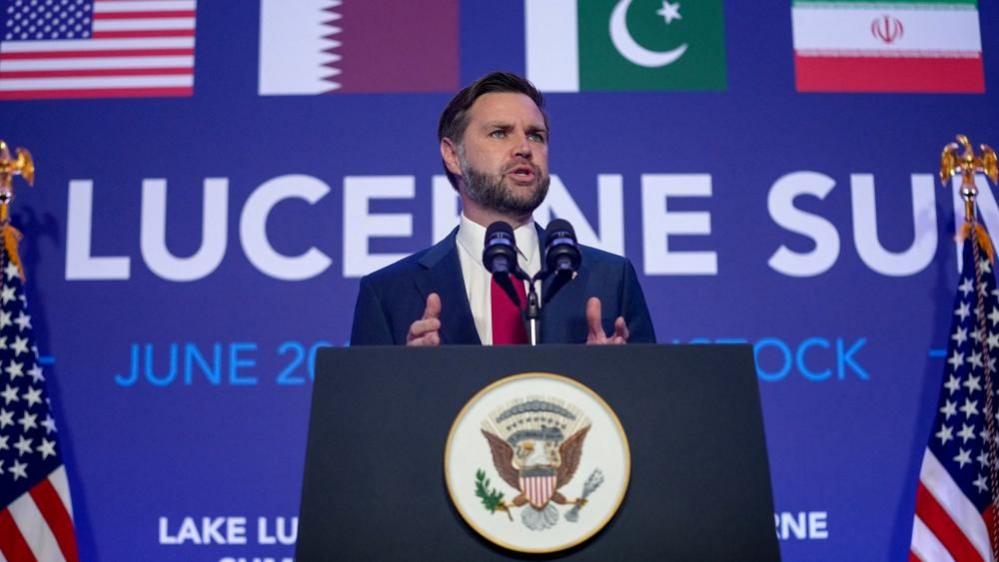
A US State Department official confirmed it would host a meeting next week 'to discuss ongoing ceasefire negotiations with Israel and Lebanon.' Lebanese officials have called for a ceasefire before the talks begin, but Netanyahu indicated in a subsequent address that there would be no halt to military actions, stating: 'There is no ceasefire in Lebanon.'
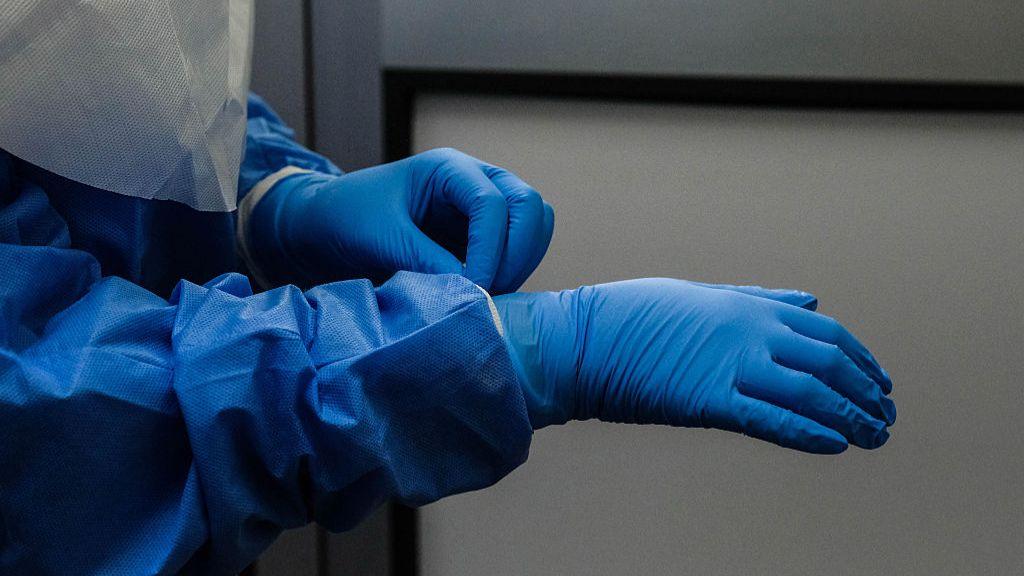
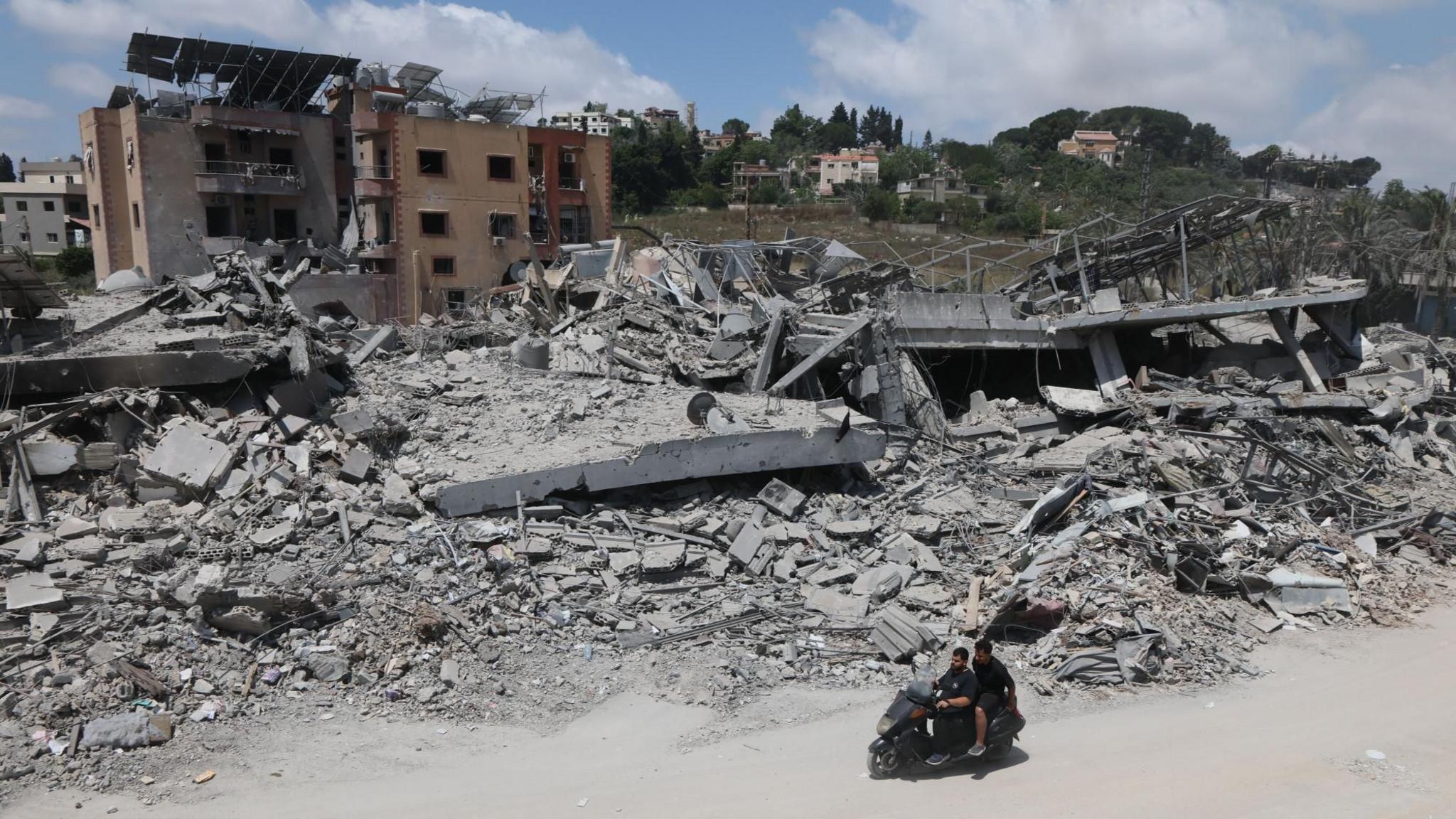
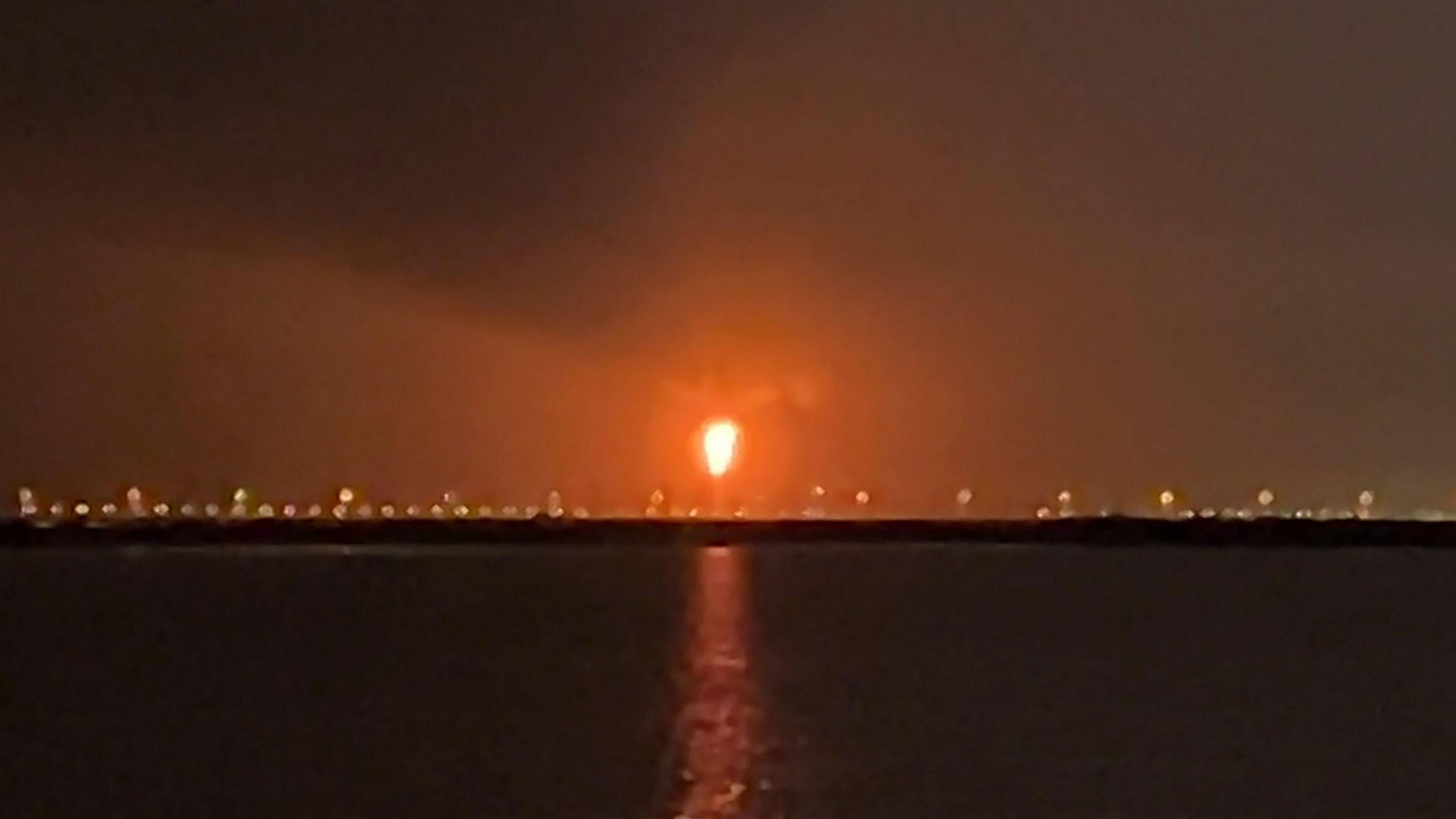
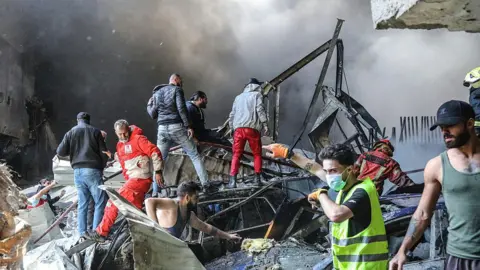
As of Thursday, Israeli military actions continued to target what they describe as Hezbollah rocket launch sites in southern Lebanon, prompting evacuation warnings for residents in the southern suburbs of Beirut. The World Health Organization has raised alarms over the impact on local hospitals, indicating that evacuating patients amid ongoing strikes has become operationally unfeasible.
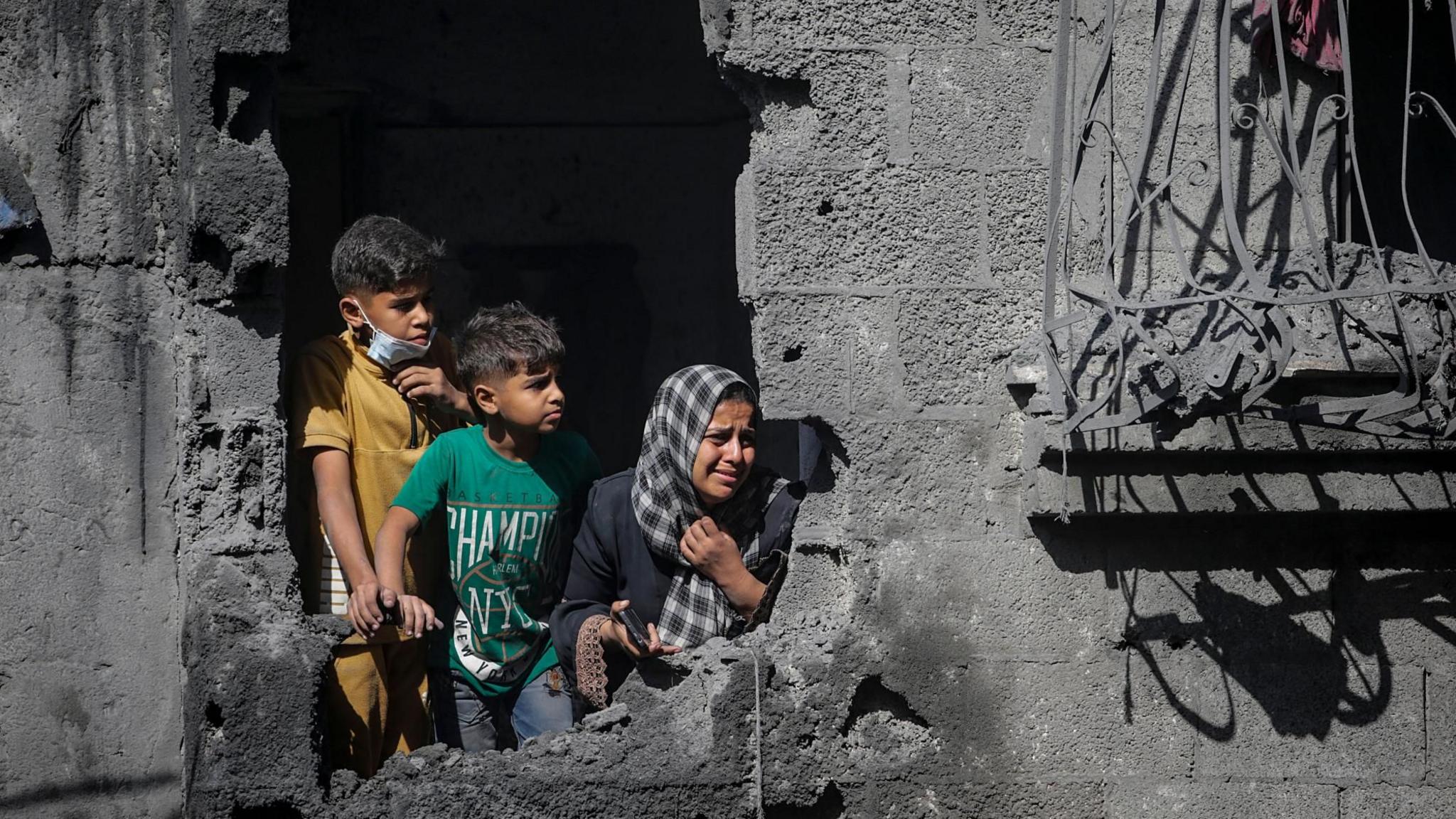
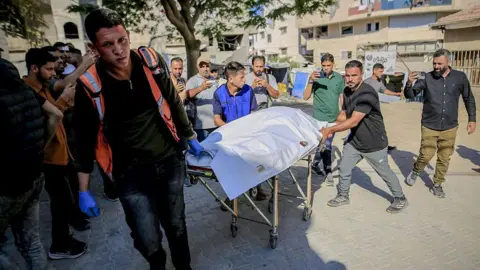
In the wake of these developments, it is critical to understand the dynamics at play. The ongoing conflict has escalated dramatically, with claims of over 1,800 casualties including at least 130 children, as reported by Lebanon's health ministry. Meanwhile, Israeli military operations claim to have killed around 1,100 Hezbollah fighters during the conflict.
The Lebanese government's approach to handling Hezbollah remains uncertain. Despite banning the militant group’s military activities, Hezbollah continues operations independently. Amid international mediation efforts, the nature of the upcoming discussions between Israel and Lebanon raises questions regarding true prospects for peace given the current atmosphere of violence.
A US State Department official confirmed it would host a meeting next week 'to discuss ongoing ceasefire negotiations with Israel and Lebanon.' Lebanese officials have called for a ceasefire before the talks begin, but Netanyahu indicated in a subsequent address that there would be no halt to military actions, stating: 'There is no ceasefire in Lebanon.'
As of Thursday, Israeli military actions continued to target what they describe as Hezbollah rocket launch sites in southern Lebanon, prompting evacuation warnings for residents in the southern suburbs of Beirut. The World Health Organization has raised alarms over the impact on local hospitals, indicating that evacuating patients amid ongoing strikes has become operationally unfeasible.
In the wake of these developments, it is critical to understand the dynamics at play. The ongoing conflict has escalated dramatically, with claims of over 1,800 casualties including at least 130 children, as reported by Lebanon's health ministry. Meanwhile, Israeli military operations claim to have killed around 1,100 Hezbollah fighters during the conflict.
The Lebanese government's approach to handling Hezbollah remains uncertain. Despite banning the militant group’s military activities, Hezbollah continues operations independently. Amid international mediation efforts, the nature of the upcoming discussions between Israel and Lebanon raises questions regarding true prospects for peace given the current atmosphere of violence.