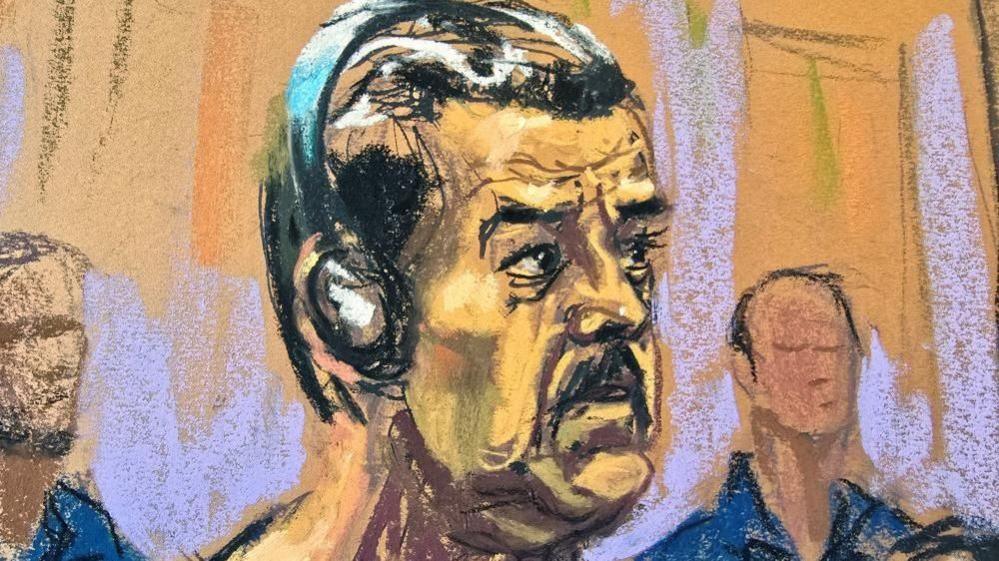
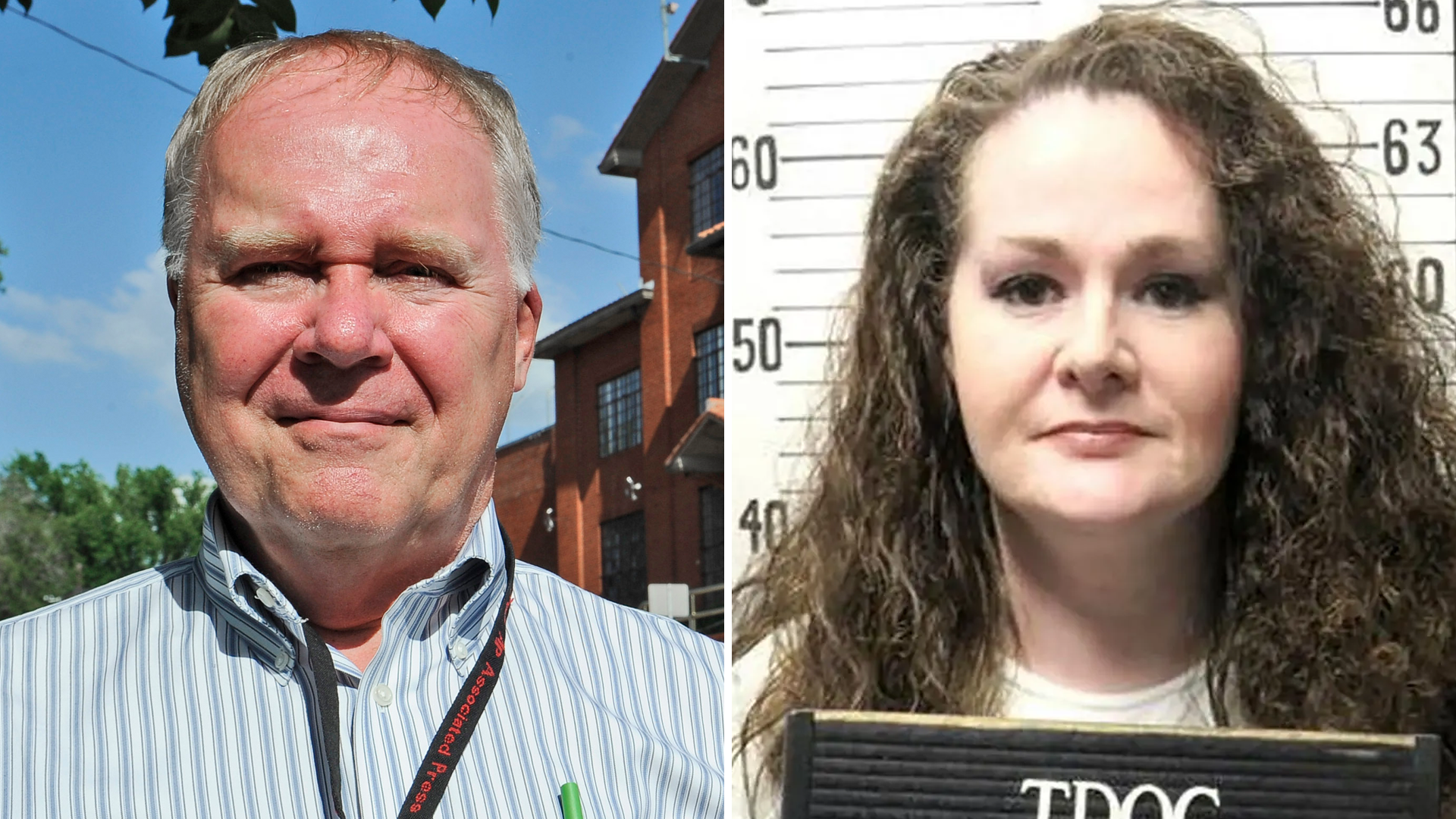
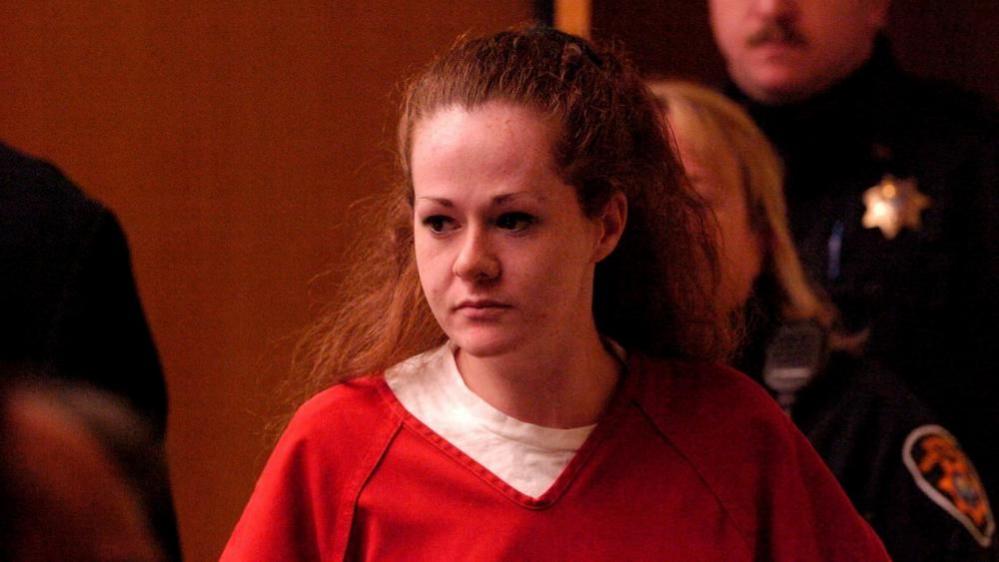
When the death row inmate Christa Pike survived two lethal injections on September 30, her case reignited a national debate over the US death penalty. The execution, described by experts as "unprecedented", stopped when Pike was forced to resurface after a painful pause, prompting a third injection attempt and raising questions about the safety and humanity of the process.
The incident prompted reporters to seek the views of a cross section of Americans and international tourists in Washington, D.C. Many respondents expressed a complex mix of concern, moral objection, and uncertainty about the role of capital punishment in a modern justice system.
"Seven in ten people say the death penalty should be abolished," one commentator noted, while others argued that it remains a deterrent for grave crimes. The dramatic failure of Pike’s execution has forced legislators, judges and ordinary citizens to evaluate the adequacy of existing protocols and the need for reform.
International visitors in the capital highlighted the broader global trend toward abolition, asking why the United States continues to cling to capital punishment when other democracies have moved away from it. The case underscores a pivotal moment where policy, public opinion, and the legal system confront one another in real time.
For the full details on Christa Pike’s case, read the latest here.