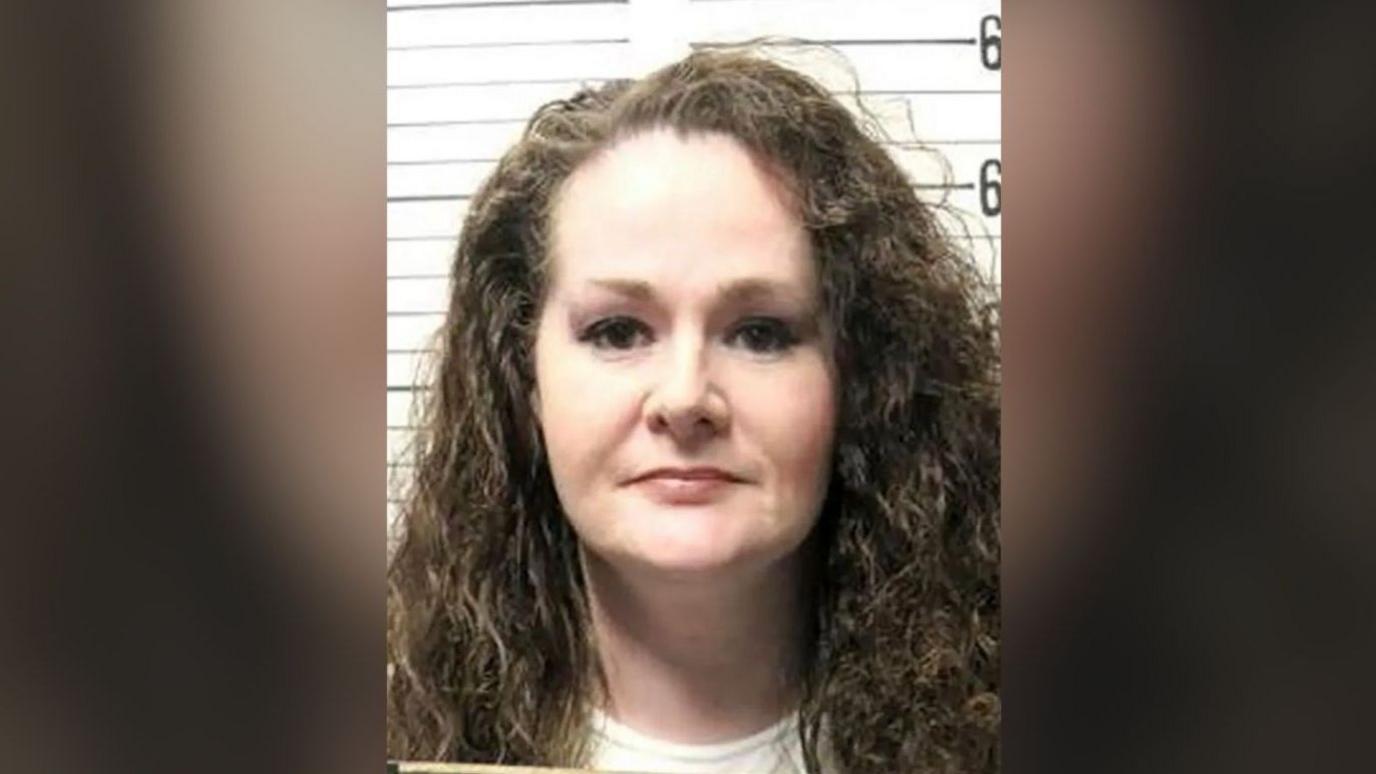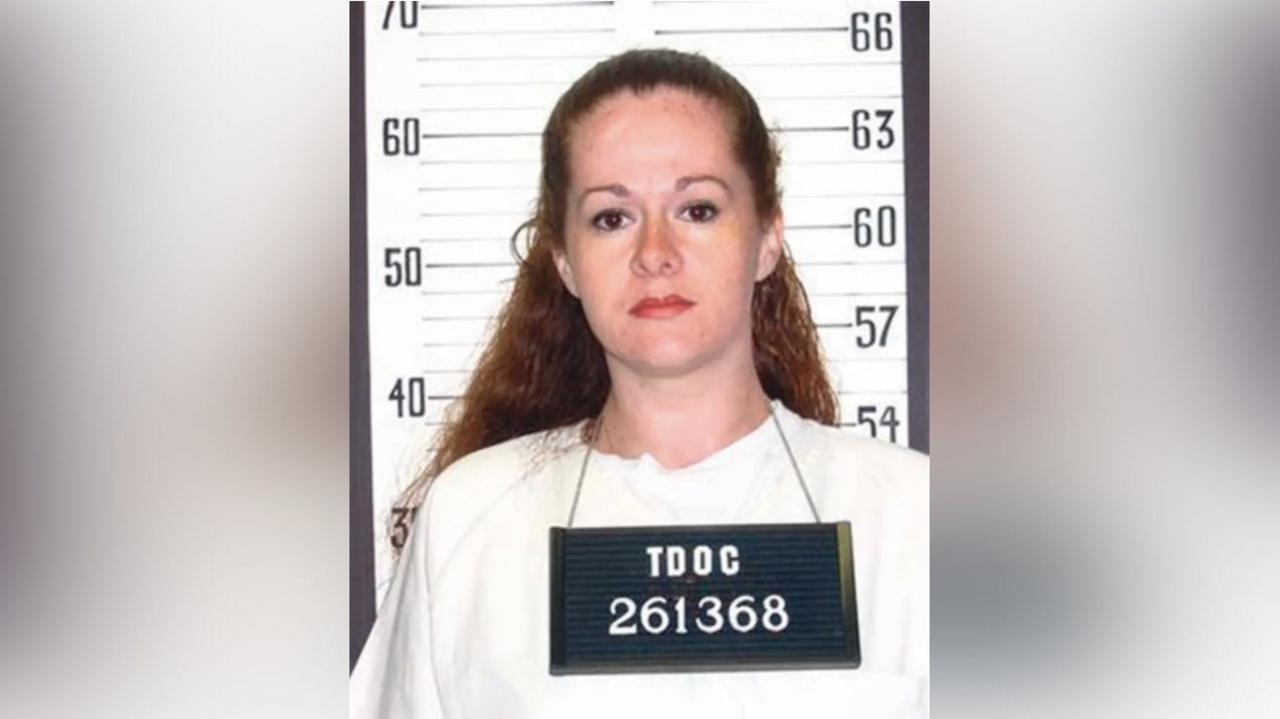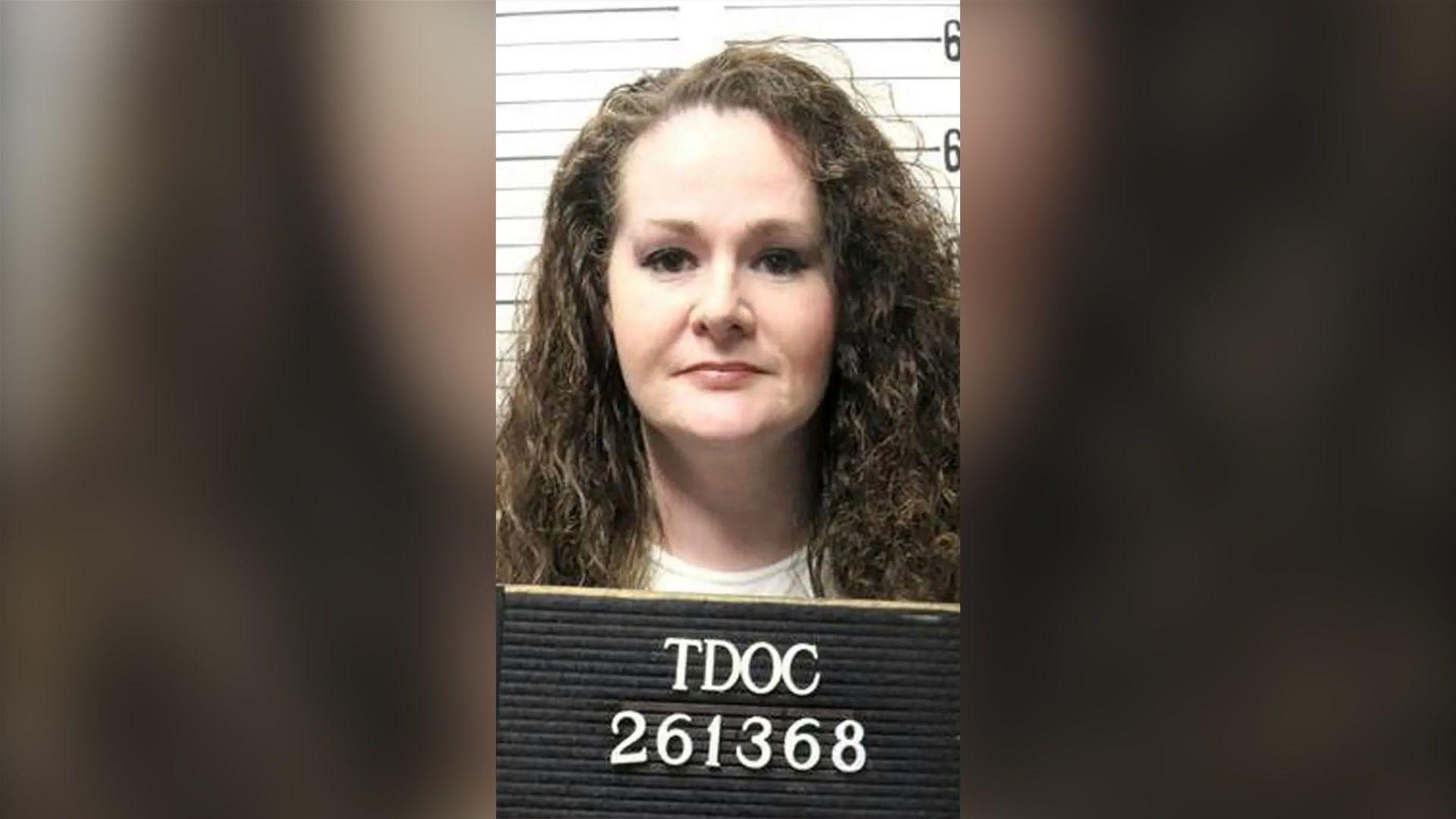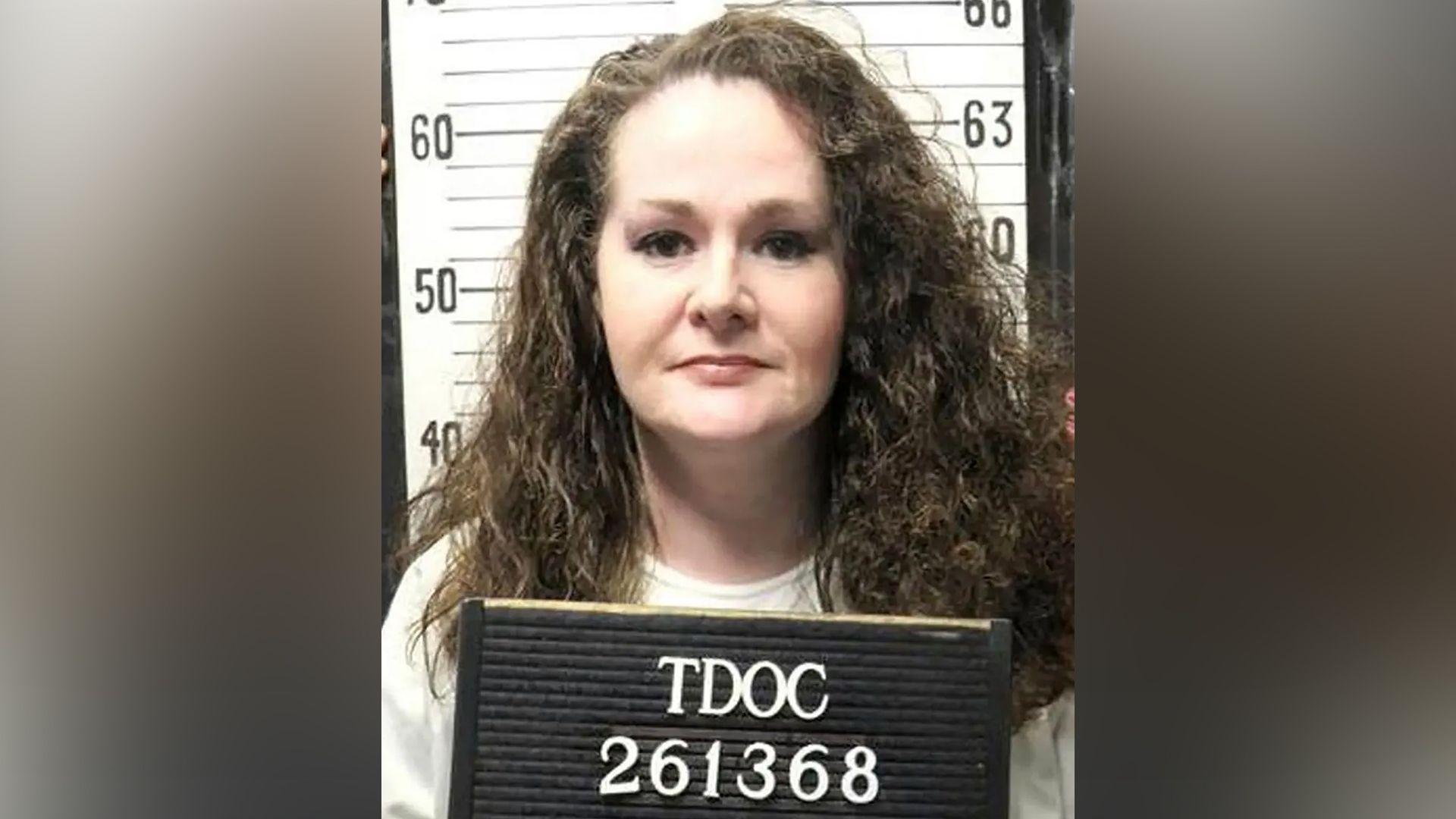
Christa Pike, 50, who was convicted of murdering 19‑year‑old Colleen Slemmer in 1995, survived a botched execution on Wednesday, leaving her in a Nashville hospital on a ventilator and her medical future uncertain.
Lawyer Stephen Ferrell told CNN that doctors are still working to eliminate two doses of the sedative pentobarbital from her system, and that the inmate’s prognosis remains unclear for days.
Pike’s case has overwhelmed the Tennessee criminal justice system. Governor Bill Lee ordered a suspension of all executions for the remainder of the year, and the state’s prison chief announced his resignation, following the failed attempt.
“If she recovers—she may not fully recover—and there may be questions about her competence,” Ferrell said. He added that he has only received updates through a medical power of attorney, unable to visit her in person due to the inmate’s guarded status.
The state’s Department of Corrections defended the lethal‑injection protocol, stating it does not allow additional procedures beyond what was carried out. However, Pike’s legal team warned that her medical history, including a blood‑clotting condition and small veins, could increase the risk of undue pain during injection.
The incident has reignited debate over the death penalty’s application in the U.S., highlighting the broader question of whether such execution methods truly avoid cruel or unusual punishment.