Christa Pike Walks After Unprecedented Botched Execution
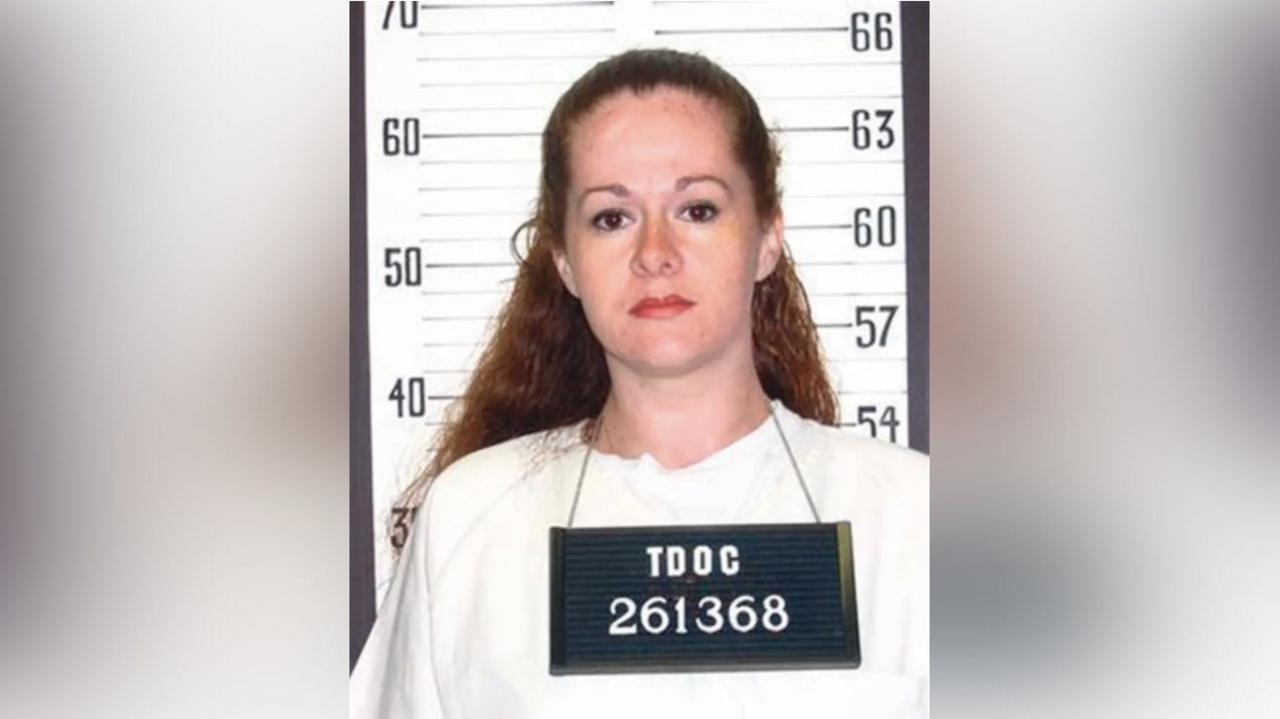
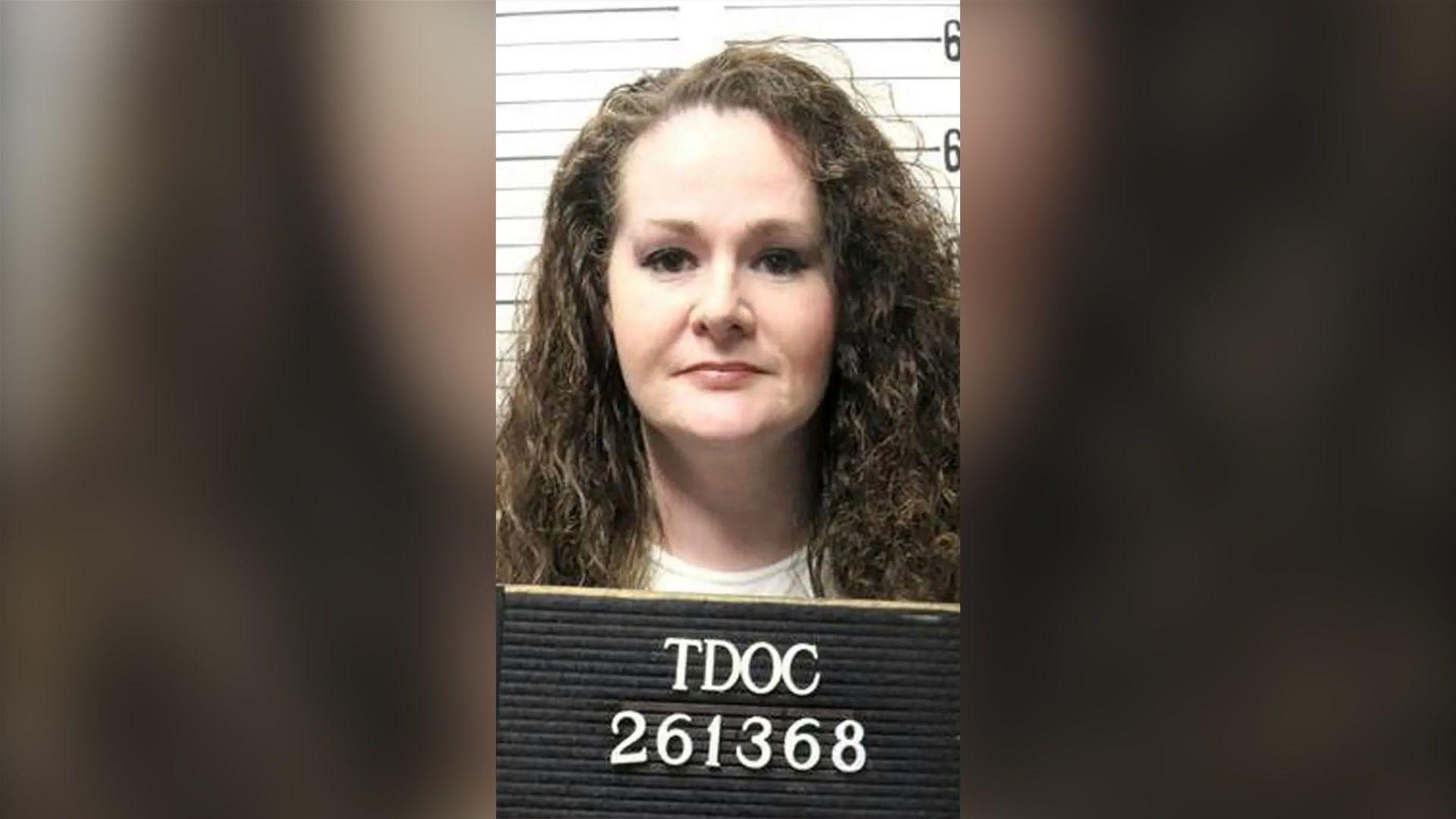
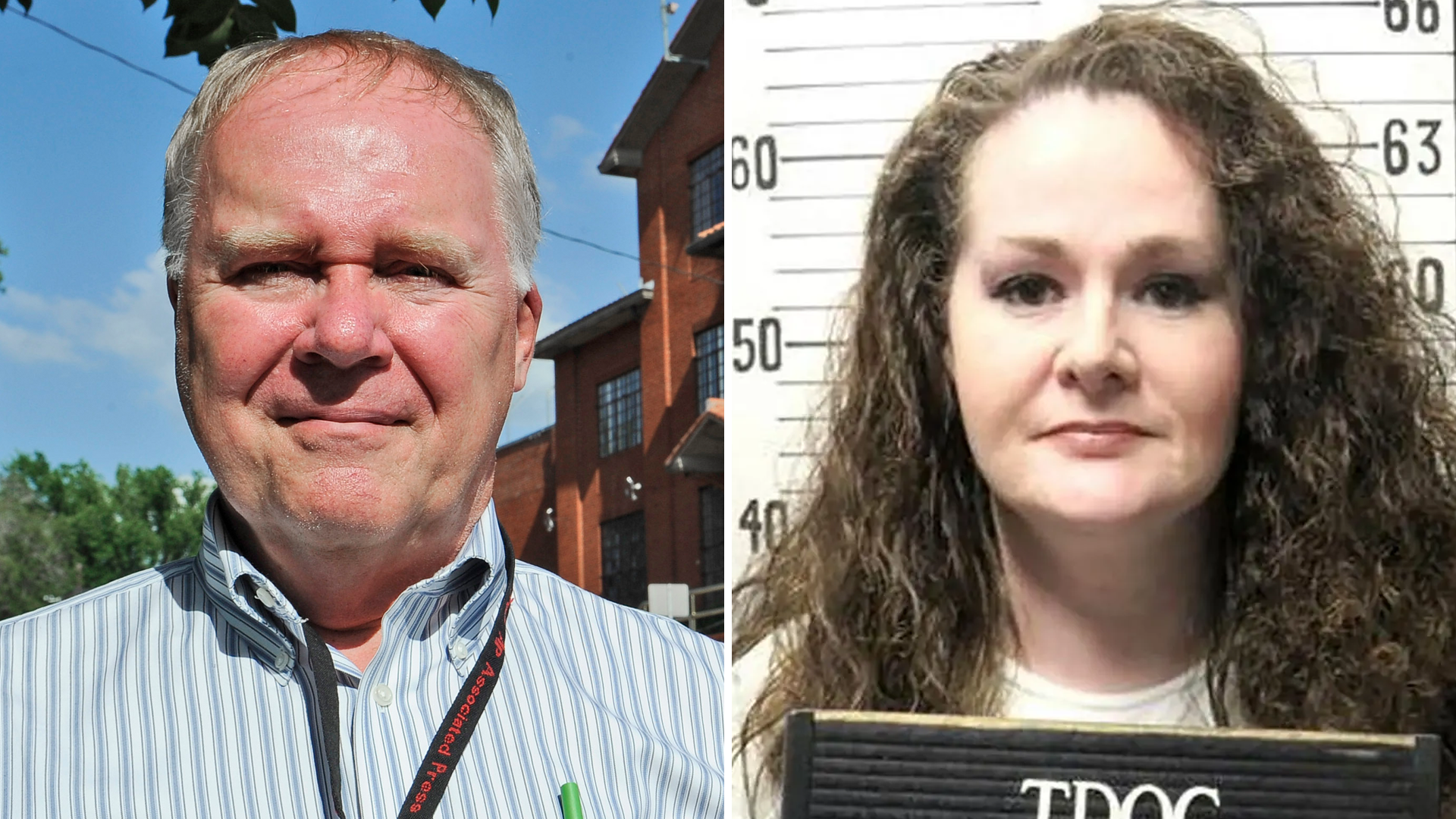
Christa Pike, 50, is slowly walking again after a Tuesday‑night crisis that left her as the only person to survive Tennessee’s lethal‑injection execution process. Lawyer Stephen Ferrell told BBC Radio 4 that the woman is "up and walking for the first time today, but just around the room, not very far," despite lingering arm injuries and a clouded mind.
Pike earned her death sentence in 1995 for the murder of 19‑year‑old Colleen Slemmer, a crime she committed with then‑boyfriend Tadaryl Shipp. On 30 September she was given two doses of the drug pentobarbital during a scheduled execution that went awry, an unprecedented failure that has shocked the legal community.
According to Ferrell, Pike was initially unconscious and declared critical, but has since stabilized. He cautions that she may suffer permanent damage and needs psychological support, and he is uncertain how her situation will evolve.
The legal team is now fighting to refuse any repeat attempt, urging Governor Bill Lee to reduce Pike’s sentence to life without parole. A Tennessee judge has ordered all evidence from the execution room—including syringes, IV lines and drug containers—to be preserved for future litigation.
Political fallout is mounting. Republican Senate hopeful Marsha Blackburn said the state should "bring back the electric chair," while Governor Lee has postponed all executions for the rest of the year in pursuit of answers. The incident also raises questions about the lethal‑injection protocol and the availability of merciful‑acting drugs.
Pike’s survival puts Tennessee and the broader U.S. death‑penalty debate in a new light, forcing lawmakers to consider whether a system that can fail so dramatically still serves justice.