Australia’s agriculture ministry confirmed that the highly contagious H5N1 strain of bird flu has now been found in the country, marking the first case on the continent and the point at which the virus has reached every continent.
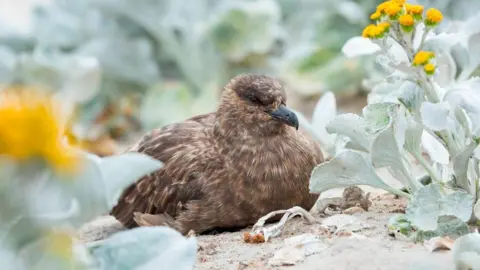
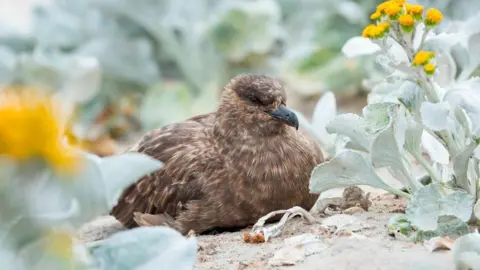
The discovery followed the death of a brown skua—a migratory seabird—found on a beach at Cape Le Grand National Park near Esperance, Western Australia. The bird tested positive for the H5N1 virus, according to Agriculture Minister Julie Collins.
Australia had previously been the only continent where this strain had not been reported. The presence of H5N1 now raises concerns for poultry farms, wildlife reserves and the broader health of the region.
Collins also cited a second possible case— a southern petrel that was found exhausted on an Esperance beach—though officials said it was “unlikely that mass mortalities have occurred at this time.”
Threatened Species Commissioner Fion Fraser said authorities would determine whether the virus is present in other animal populations within days, while Chief Veterinary Officer Beth Cookson noted that emergency measures had been in place long before this outbreak.
Earlier this year, H5N1 was detected on the remote Australian territories of Heard and McDonald Islands. Studies suggest the virus killed more than 75% of a seal population on Heard Island and increased mortality among local penguins.
While human cases remain rare, the highly infectious nature of H5N1 means that exposure to infected birds or contaminated environments can pose a risk for poultry farmers, wildlife workers and anyone with close contact to infected animals.
The pandemic potential of bird flu has spurred global monitoring and preparedness, though health officials remain optimistic that the new outbreak will not lead to widespread human infections.