In brief
Al Jazeera reports that in Port Sudan, families are forced to allocate their entire salary to water purchases amidst ongoing shortages caused by war, displacement, and collapsed infrastructure. UNDP and AfDB highlight the crisis, noting water supply meets less than 40% of demand and that the collapse of Arbaat Dam worsened the situation.
Port Sudan, the eastern Sudanese port city, has seen families give up their entire monthly wage to buy water, Al Jazeera reported on October 30, 2026, citing a household that spends all its income on bottles sold by street vendors.
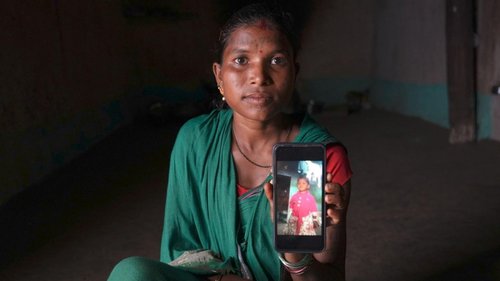
Amina Khalafallah works in a cafeteria and lives in Deim Mayo, a neighbourhood not connected to the city’s piped water network. She pays 10,000 Sudanese pounds ($1) a day for 18 litres of water, a total of 300,000 pounds ($30) over a 30‑day month.
Her husband works in another state and sends remittances, but the combined income barely covers basic needs. The family often borrows money to meet water expenses.
“We make sure to set aside money for water in the summer before covering our other household needs, even if that means going without some essentials,” Khalafallah told Al Jazeera.
The United Nations Development Programme reports that Sudan’s prolonged war has kept average incomes at levels last seen in the early 1990s, amplifying the burden of rising water costs.
The African Development Bank notes that Port Sudan’s supply is meeting less than 40 percent of demand, a shortfall that endangers public health and fuels water‑borne illness.
Infrastructure projects such as the Arbaat Dam, which once supplied half of the city’s daily water needs, fell in August 2024 after heavy rain and flooding, further limiting available supply and damaging nearby pipelines.
These factors combine to a situation where the city’s most vulnerable families must spend every paycheck on water, raising urgent concerns for health and sustainability.