In brief
In the Jordan Valley, Israeli date growers prepare to face the fallout of a UK‑led sanctions package aimed at products from occupied settlements. Farmers such as Avigdor Arbel signal resilience and a pivot to other markets, while Palestinian growers highlight water shortages and uneven resource access. With Israel and several European nations pushing back and enforcing bans and counter‑measures, the economic conflict over West Bank settlement products intensifies.
By Yolande Knell – 8 September 2026
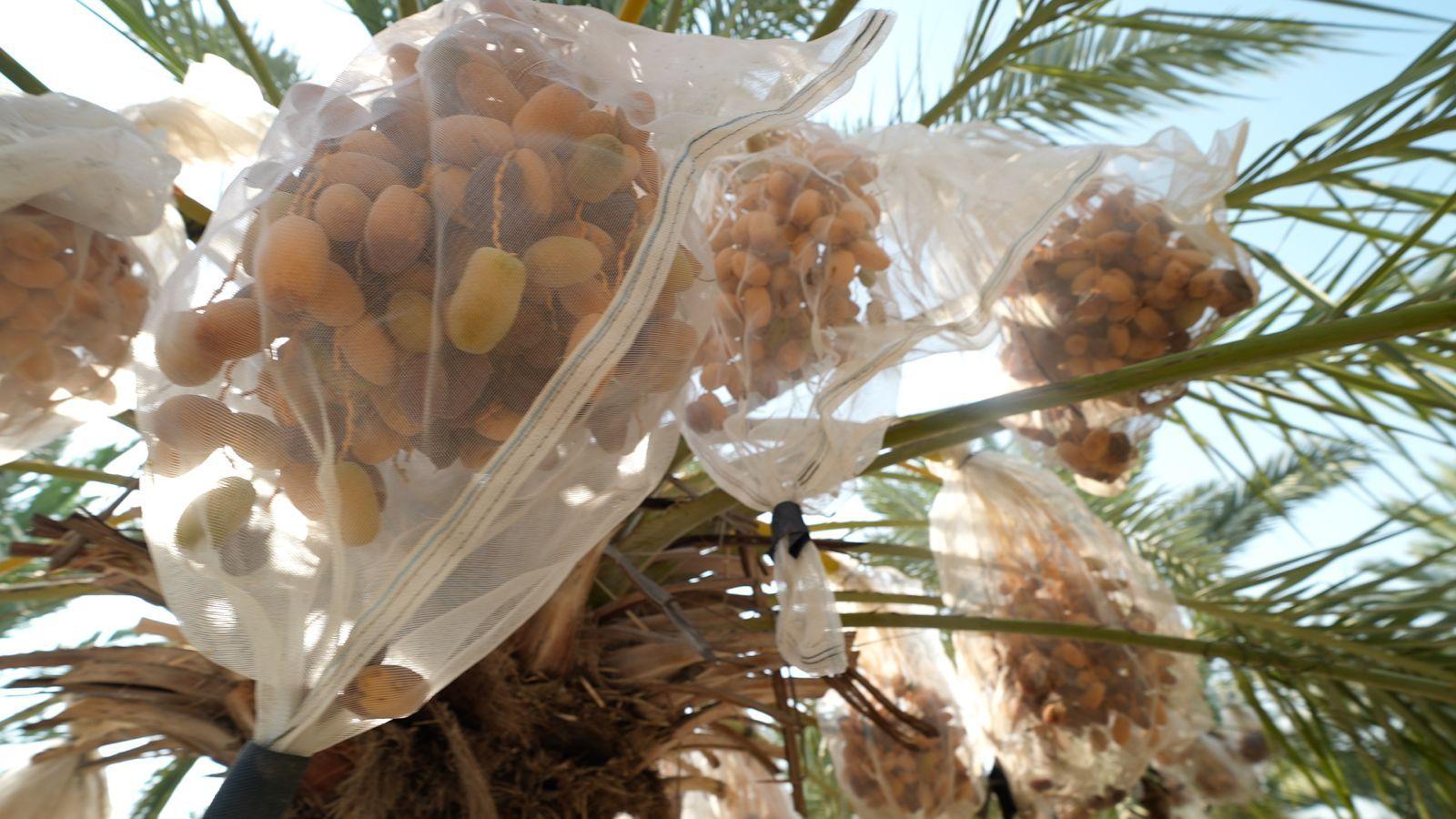
Juicy brown and ripening yellow dates dangle from the branches of palm trees at Israeli settler farms in the Jordan Valley. As this year’s harvest approaches, growers must now reckon with new Western sanctions aimed at goods produced in occupied settlements, which are deemed illegal under international law.
The British government announced an import ban on settlement products and vowed to take action against companies or individuals that support settlement expansion. A similar “comprehensive reset” is underway in several European nations – Canada, Denmark, Finland, France, Iceland, Ireland, Norway, Poland, Portugal, Spain and Sweden – signalling a united push to halt trade with settlers.
Palestinians have welcomed the move, whereas Israel’s foreign minister condemned it as hostile interference, announcing counter‑measures such as closing the British Consulate in East Jerusalem and removing UK representatives from the International Gaza Support Centre in Kiryat Gat.
Avigdor Arbel, a date farmer from the settlement of Mesua, described the boycotts as “really disgusting”. He said he sells most of his produce to Europe, but also to the US and India, and that if the UK ban forces him out of European markets, he would quickly seek new buyers elsewhere, showing resilience in the face of political pressure.

The Jordan Valley is a fertile strip that makes up nearly 30 % of the West Bank. While Israeli settlers enjoy large-scale date farms, Palestinian farmers face chronic water shortages; roughly half of the palm trees in the region produce no fruit this year because of insufficient water.
Water rights remain a central point of contention. Interim peace agreements from the 1990s have created a disparity, with Israeli authorities prioritising settlers. Palestinian exporters like Momen Sinokrot argue that sanctions could curb settlement growth and aid Palestinian markets.
The effectiveness of an import ban depends on enforcement. A Global Echo report noted that settlement produce sold in Europe is often mislabeled or mixed with Israeli products. The legal advocacy group suggests that a UK ban would raise the cost of fraudulent practices, making it commercially unviable for sellers to continue.
Israel’s response to the UK announcement was swift and forceful. Foreign minister Gideon Saar highlighted that the move represented blatant interference, calling for a series of counter‑measures and warning that any state acting against Israel would face repercussions.
Last month, Israel had expelled two Dutch diplomats from the International Gaza Support Center after the Netherlands banned settlement trade. The UK move is likely to deepen diplomatic tensions with both Israel and other European partners.
The sanctions, settlements and the future of the Jordan Valley’s agriculture will remain a critical issue for all parties involved, as market access and geopolitical stances collide.