The offer highlights Trump's ongoing commitment to his immigration policies, which include the mass deportation of millions of undocumented individuals and the potential involvement of the National Guard in these actions. However, experts warn that implementing such expansive deportation plans could face significant financial, logistical, and legal obstacles, particularly from human rights organizations.
The land being proposed is described as flat, making it an ideal location for developing detention centers. Texas Land Commissioner Dawn Buckingham noted that the property previously blocked border wall construction and is currently unoccupied farmland. She affirmed her full support for Trump's policies and the aim of deporting criminal elements from the country.
While Texas officials are vocal about their backing, Democratic governors from California, Arizona, and New Mexico have publicly stated their refusal to assist with mass deportation efforts. The design of the new facilities remains uncertain, though suggestions have surfaced regarding "soft-sided" structures that differ significantly from established detention systems operated by Customs and Border Protection and Immigration and Customs Enforcement (ICE).
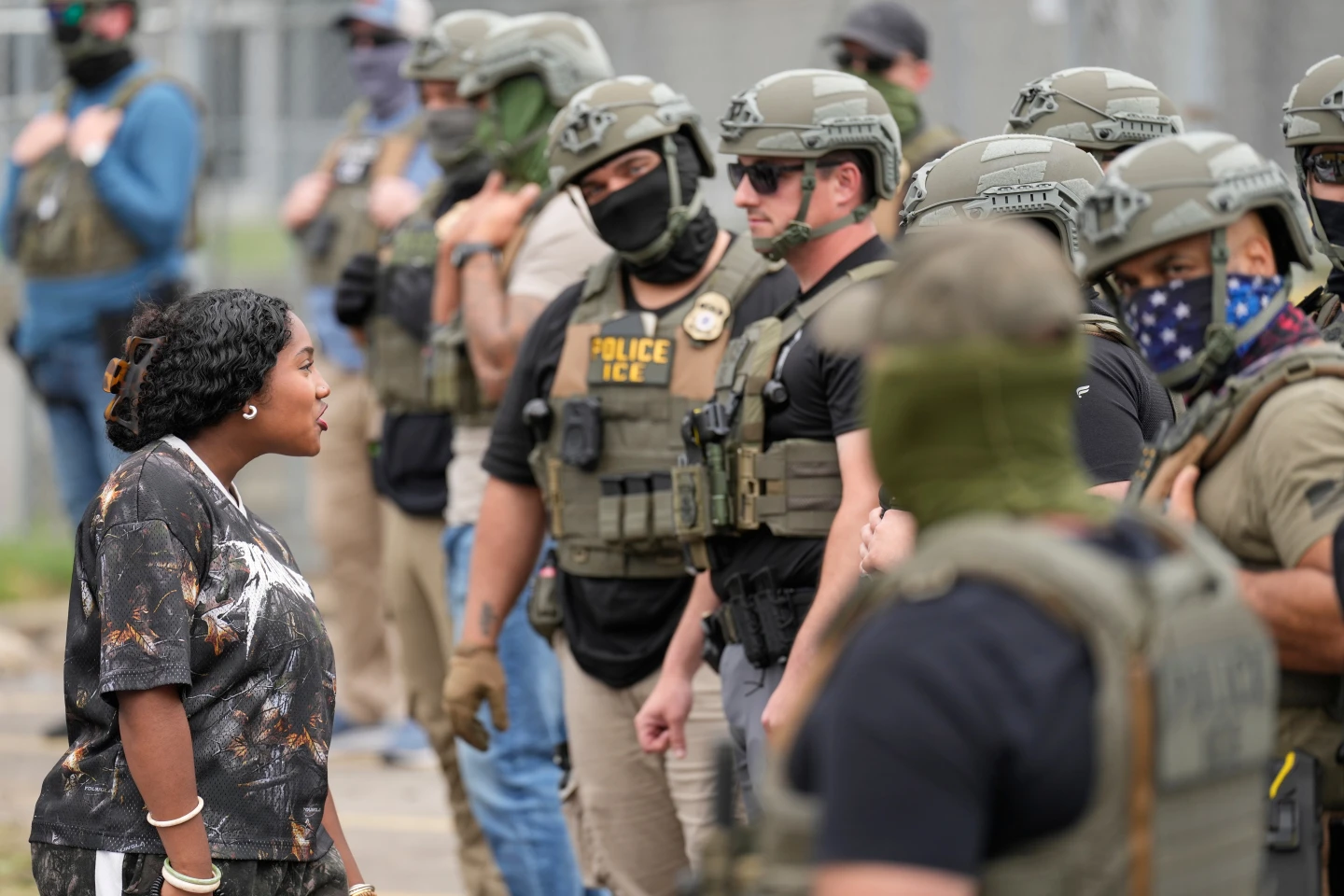
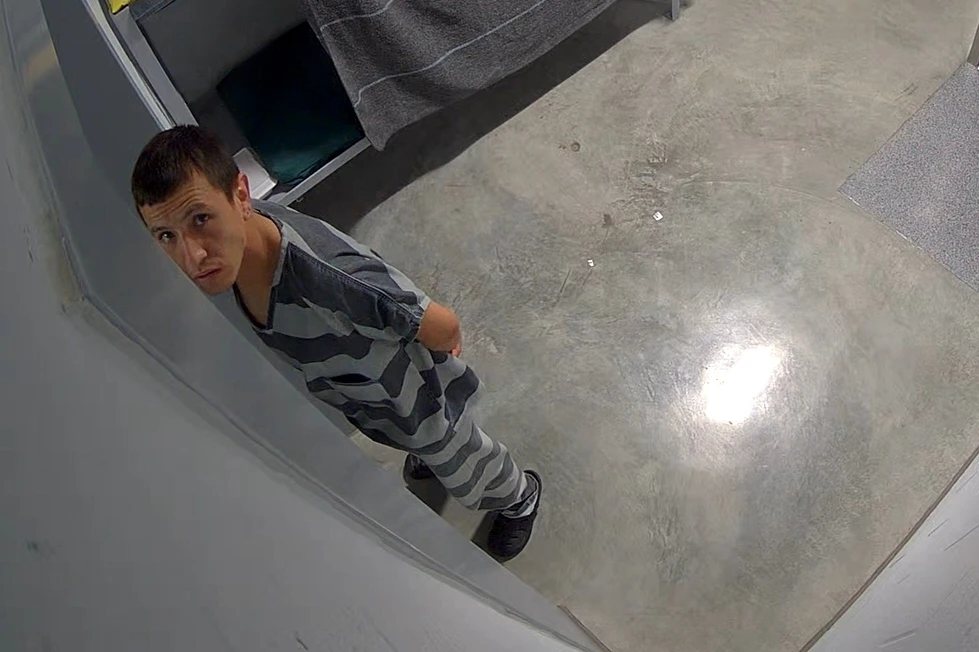
The prospect of new detention sites in Texas raises questions about the overall capabilities of ICE, especially as the agency currently holds over 38,000 immigrants across the nation's facilities. As tensions rise over immigration policy, the dichotomy between the responses of red and blue states may further entrench regional divides in the United States, according to observations from migration policy experts.
As the landscape of US immigration policy continues to evolve, the Texas land offer signifies a bold step toward realizing Trump's vision for border control, yet also invites scrutiny regarding the potential implications for undocumented migrants and state cooperation nationwide.
The land being proposed is described as flat, making it an ideal location for developing detention centers. Texas Land Commissioner Dawn Buckingham noted that the property previously blocked border wall construction and is currently unoccupied farmland. She affirmed her full support for Trump's policies and the aim of deporting criminal elements from the country.
While Texas officials are vocal about their backing, Democratic governors from California, Arizona, and New Mexico have publicly stated their refusal to assist with mass deportation efforts. The design of the new facilities remains uncertain, though suggestions have surfaced regarding "soft-sided" structures that differ significantly from established detention systems operated by Customs and Border Protection and Immigration and Customs Enforcement (ICE).
The prospect of new detention sites in Texas raises questions about the overall capabilities of ICE, especially as the agency currently holds over 38,000 immigrants across the nation's facilities. As tensions rise over immigration policy, the dichotomy between the responses of red and blue states may further entrench regional divides in the United States, according to observations from migration policy experts.
As the landscape of US immigration policy continues to evolve, the Texas land offer signifies a bold step toward realizing Trump's vision for border control, yet also invites scrutiny regarding the potential implications for undocumented migrants and state cooperation nationwide.