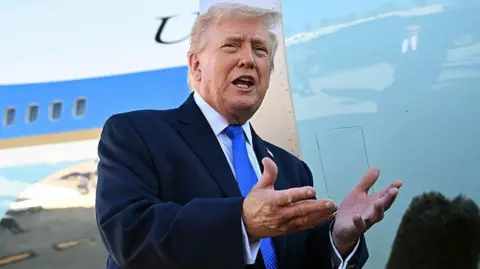
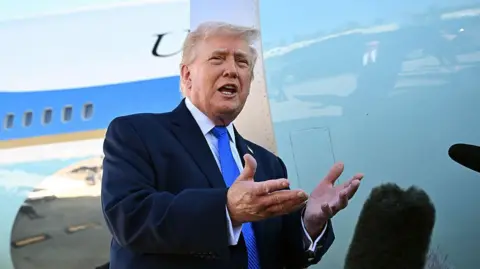
President Donald Trump's popularity among the American public has been eroding steadily since he returned to the White House last January. While some of this is typical for second-term American presidents, Trump's initial decline also reflects ongoing public dissatisfaction with high prices and cost-of-living – issues that have propelled Democrats to wins in a growing number of elections over the past year.
According to data by election analysis website The Downballot, Democrats did an average of 13% better in contested special elections in 2025 than they did in the same districts during the 2024 presidential election.
The war in Iran has only exacerbated these economic concerns. Polling company Ipsos found that 43% of the American public approved of Trump's handling of the economy at the start of his second term. By June 23, 2025, that number had dropped to 35%, a level it hovered around for the rest of the year.
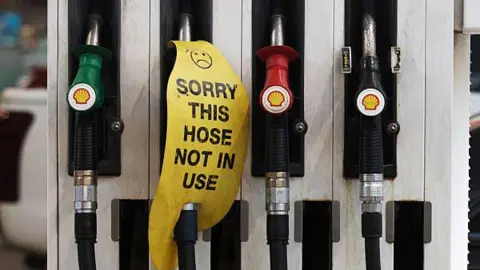
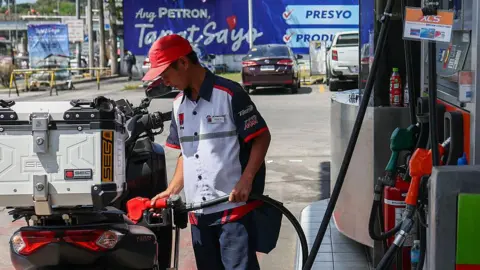
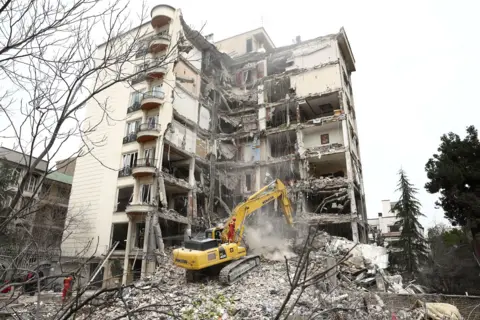
Three weeks into the Iran war, gas prices have surged to an average near $4 a gallon. Trump's economic approval rating, meanwhile, has fallen to 29%, a level lower than any during Joe Biden's administration amidst a post-COVID inflation spike.
Economic anxiety contributed to Democratic defeat in 2024 and allowed Republicans to hold both the presidency and Congress for the past year. It now seems poised to drag down Trump's approval further.
At the start of his second term, polling average indicated Trump's approval stood at 52%. Yet, by February 2025, that number had dipped to 42%, and this week it dropped to 40%. This presents a precarious situation for an incumbent president facing midterm elections, particularly with rising consumer prices linked to ongoing conflict.
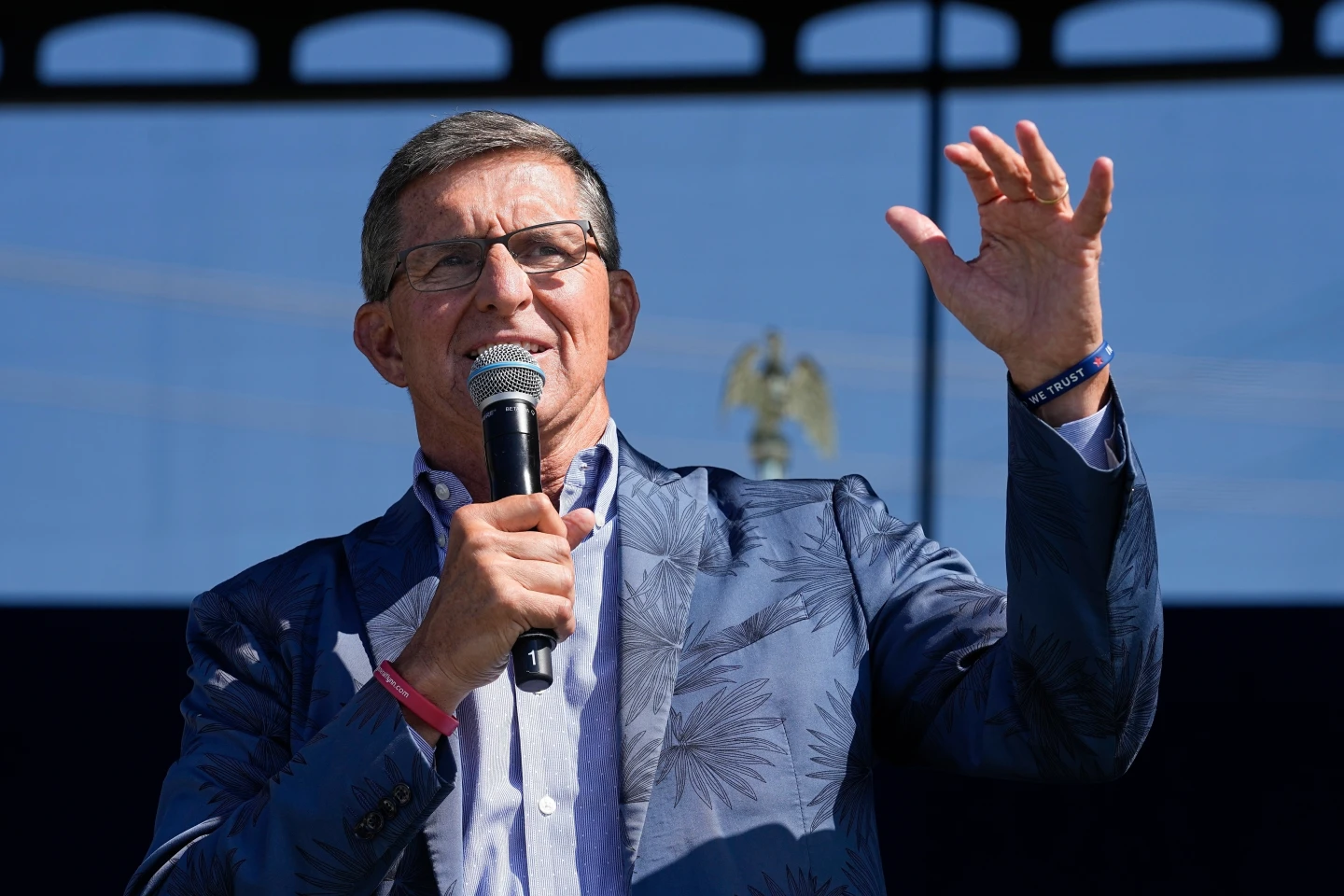
During the Conservative Political Action Conference (CPAC) in Texas, discussions about the November elections underscored the gravity of the situation. Michael Whatley, a North Carolina Senate candidate, remarked about preventing Democrats from regaining control.
While the president's approval rating showed only a modest drop, public sentiment against U.S. military intervention has been prevalent. Nevertheless, Trump's political base continues to show support, marked by a Quinnipiac poll in which 86% of Republicans backed military actions in Iran.
Independents, crucial to Trump's initial victory, are also showing signs of disapproval, potentially jeopardizing the party's success in the upcoming elections unless the current political dynamics shift.