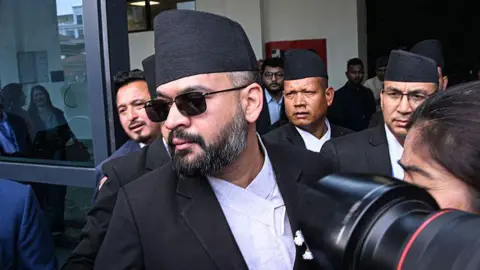
Rapper-turned-politician Balendra Shah has been sworn in as Nepal's prime minister after a landslide victory in the country's first election since last year's youth-led protests.
The 35-year-old's rise marks an important shift in Nepali politics. His promise of change resonated with an electorate that was angry at corruption, nepotism, and elite rule.
Before taking office on Friday, Shah, popularly known as Balen, released a song filled with optimism about Nepal's future. Undivided Nepali, this time history is being made, he rapped in a track that garnered more than two million views within hours of its release.
The song harks back to his roots in the underground rap scene, where he used music to call out corruption and other social problems in Nepal.
After just three years as mayor of the capital Kathmandu, Shah teamed up with the Rastriya Swatantra Party (RSP) as its prime ministerial candidate, scoring a decisive victory in general elections this month. His supporters see him as a symbol of change and a break from the failings of Nepal's old guard. But some question whether the four-year-old RSP is capable of making good on its bold pledges.
The rebellious rapper
Shah was born in 1990 in Naradevi, Kathmandu, and is his parents' youngest son. His father is an Ayurvedic practitioner, and his mother stayed at home to bring up the family. Shah is married and lives with his wife and daughter.
After leaving school, he graduated with engineering degrees in Kathmandu and later in the southern Indian state of Karnataka.
In 2013, he shot to fame after winning a popular rap battle in Nepal, with sharp verses that carried the frustration of a generation that felt suppressed and abandoned.
Shah went on to release several popular songs which criticized corruption and social inequality in the Himalayan nation, including one of his best-known hits, Balidan, which has amassed 14 million views on YouTube.
The rise to power
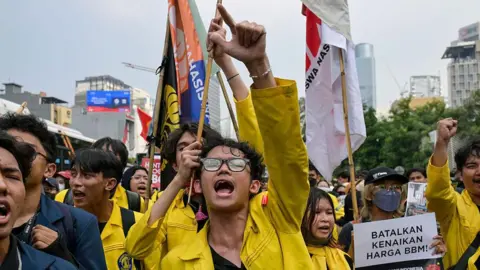
Shah's message continued to resonate with the country's youth during last September's protests, which saw 77 people die, many shot by police. The unrest was triggered by a ban on social media but fueled by anger against corruption, unemployment, and economic stagnation.
Shah's song Nepal Haseko – which means 'Smiling Nepal' – became an anthem for the protests. Its lyrics expressed a desire for a better future for the Nepali people, echoing throughout the streets.
Shah brought his unconventional style into his campaign for Nepal's top office this year, largely staying out of the spotlight and avoiding media interviews. Instead, he communicated through social media posts, pledging a sweeping anti-corruption agenda, judiciary reforms, and the creation of 1.2 million new jobs.
His approach paid off, as the RSP swept the March 5 general elections, breaking the political elite and entrenched power structures.
Controversy and challenges
However, Shah's record as mayor was not without controversy. He faced criticism for using police against street vendors and maintaining a heavy-handed approach to keep roads clear. Rights groups raised concerns about his actions during this time.
As Prime Minister, Shah must navigate significant expectations from voters eager for change, coupled with challenges including a struggling economy, ongoing geopolitical issues, and public pressure related to past political violence.