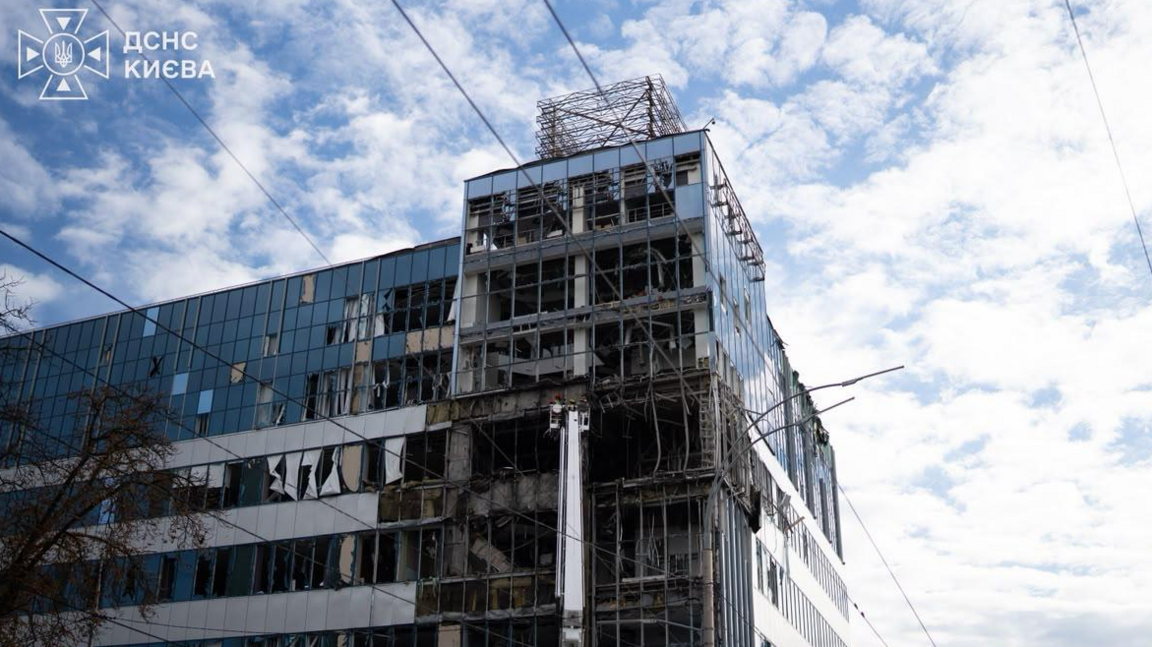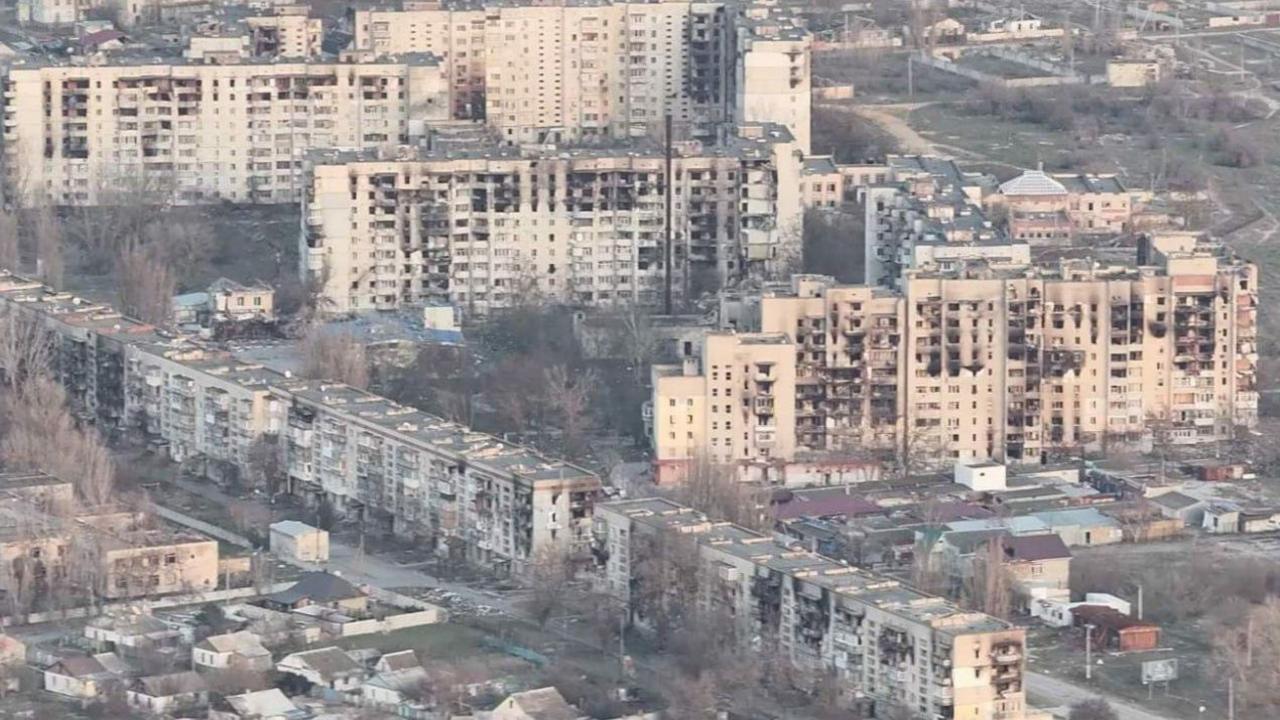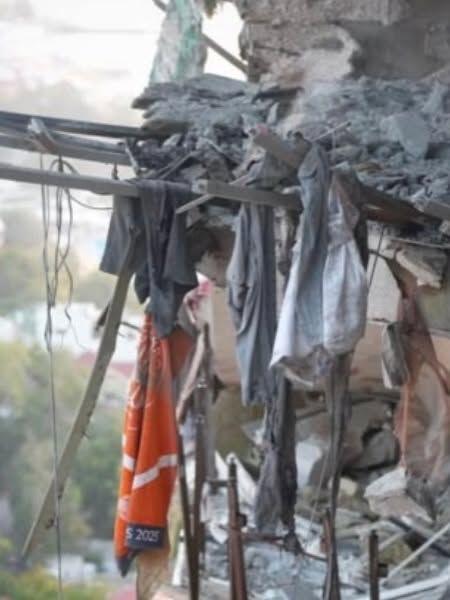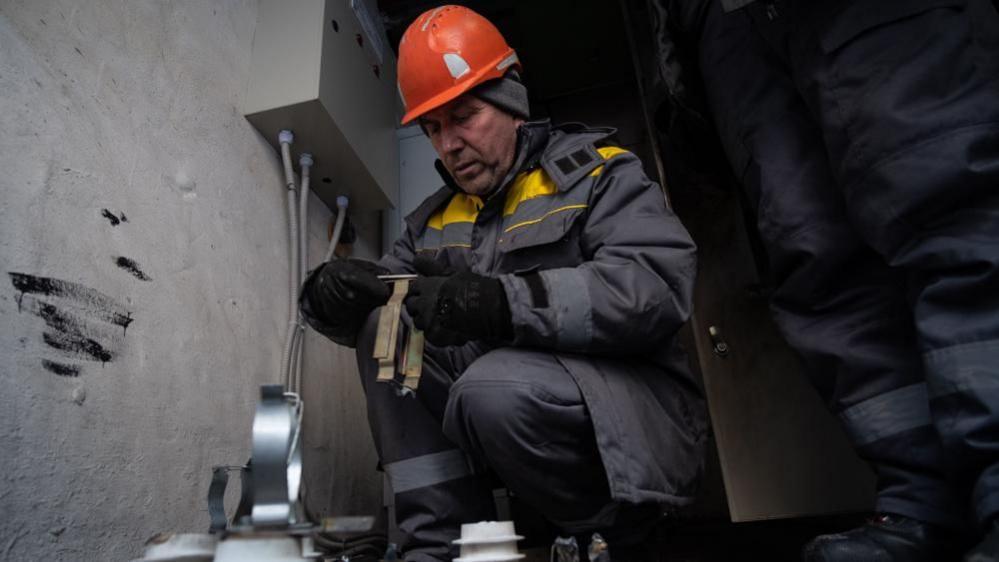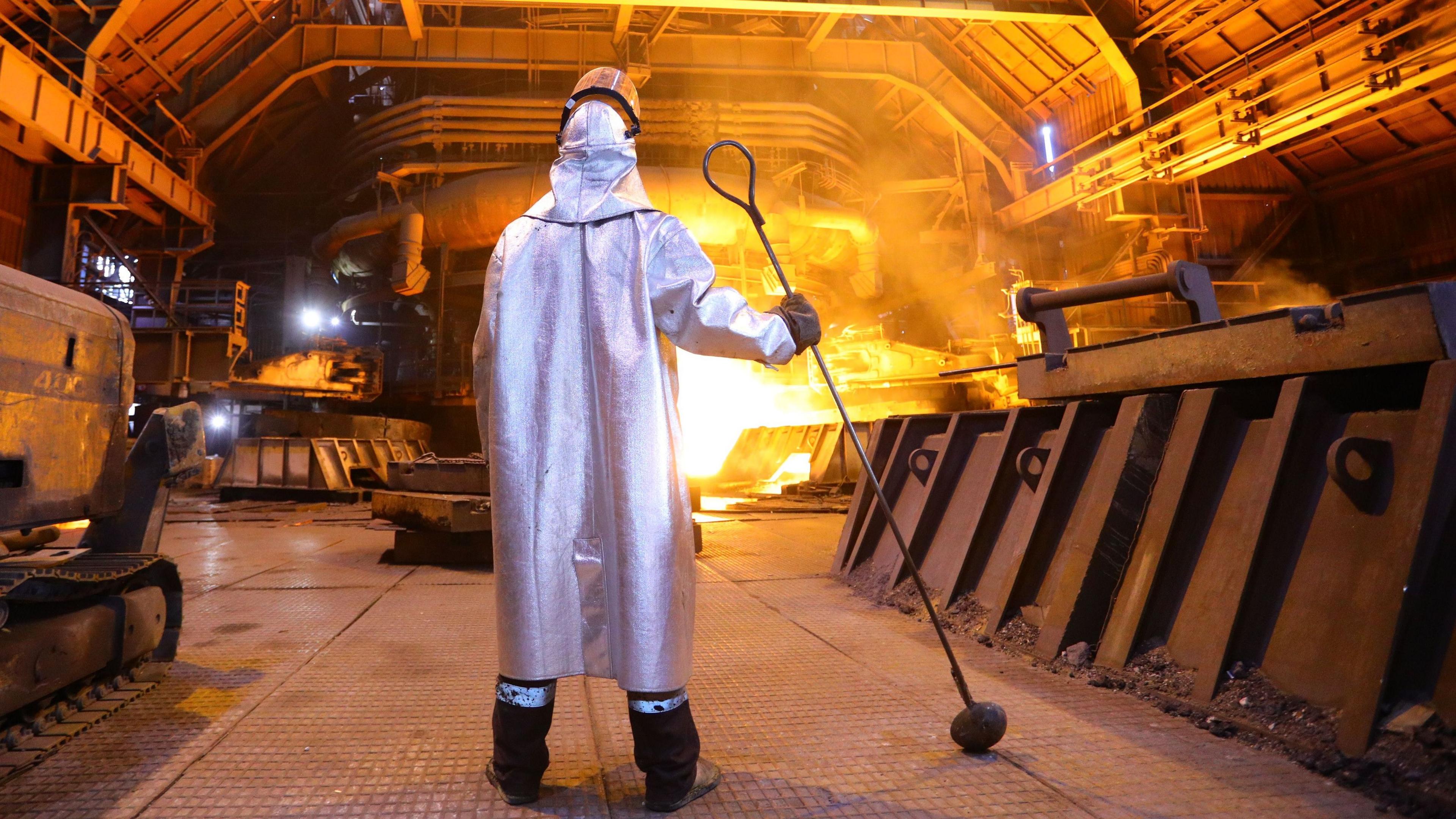
When Denys Maksyshko, a longtime employee, looked around the Zaporizhstal site, the scarred landscape of ruined furnaces and shattered windows was a stark reminder of the cost of war. After four waves of Russian missile strikes in August and September, the plant that once employed 8,500 people was forced to shut down indefinitely.
Metinvest’s chief operating officer Oleksandr Myronenko confirmed that seventeen missiles hit the facility, killing eight workers and wounding 31. “All the equipment has been almost completely destroyed,” he said, emphasizing that the blast furnaces are now beyond repair.
Zaporizhstal was an economic linchpin: before the 2022 invasion, metallurgy and mining accounted for roughly 10% of Ukraine’s GDP and a third of its exports. With the plant out of action, the industry’s contribution to the national economy could plummet to near zero, Myronenko warned.
Local leaders describe a looming humanitarian crisis. Taxes paid by metal‑making companies once funded 30–70% of city budgets, covering infrastructure and social services. The loss of this revenue threatens essential services such as heating, schools, and emergency response.
The attacks also jeopardise Ukraine’s defence and reconstruction. Steel is critical for producing weapons, shelters and restoring damaged buildings. Russian officials justify the strikes by citing the production of military hardware, while the country’s resistance heads strike back by salvaging what can be salvaged from the wreckage.
As the industry struggles to recover, the closure of major steelworks could trigger widespread job losses, mass migration and further economic collapse. The full impact on Ukraine’s economy and its ability to withstand the war remains uncertain, but the steel mills’ destruction is a stark reminder of the war’s human and industrial cost.