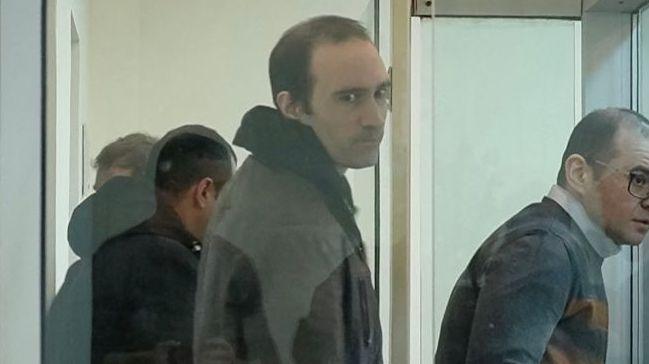
Azerbaijani President Ilham Aliyev ordered the release, and subsequent pardon, of French national Martin Ryan, who was convicted earlier this year of espionage offences.
Ryan’s freedom came just hours after the European Union decided to lift sanctions on two Russian billionaires – Alisher Usmanov and Mikhail Fridman. The decision was driven by diplomatic influence from France and Slovakia, and the EU’s new three‑year sanctions framework that will replace the current six‑month renewal cycle.
Ukraine’s foreign minister, Andriy Sybiha, criticized the EU move, describing it as a win for Moscow and a humiliating divide within the European Union. The Ukrainian government is now demanding a stronger stance against sanctioned individuals.
While Ryan was one of 20 people granted clemency by President Aliyev, another French national, Anass Derraz, remains imprisoned in Azerbaijan accused of accepting a Russian bribe. Ryan, who was sentenced to 10 years in March, denied all espionage charges and protested his innocence during court proceedings.
Prosecutors alleged Ryan had colluded with French security services to gather intelligence on Azerbaijan’s relations with Turkey, Iran, Pakistan and companies linked to Russia and China. He has been cleared of spying, yet the charges led to his imprisonment.
The pardons and sanctions changes reflect the complex diplomatic chess game between Western nations, Russia and Azerbaijan. France’s strained ties with Azerbaijan have eased slightly following discussions between Presidents Emmanuel Macron and Ilham Aliyev, who hinted at a new cooperative era.
In lightweight reportage, the story of a French expatriate freed amid a geopolitical shuffle underscores how sanctions policy can rapidly alter individual fates and international stances.