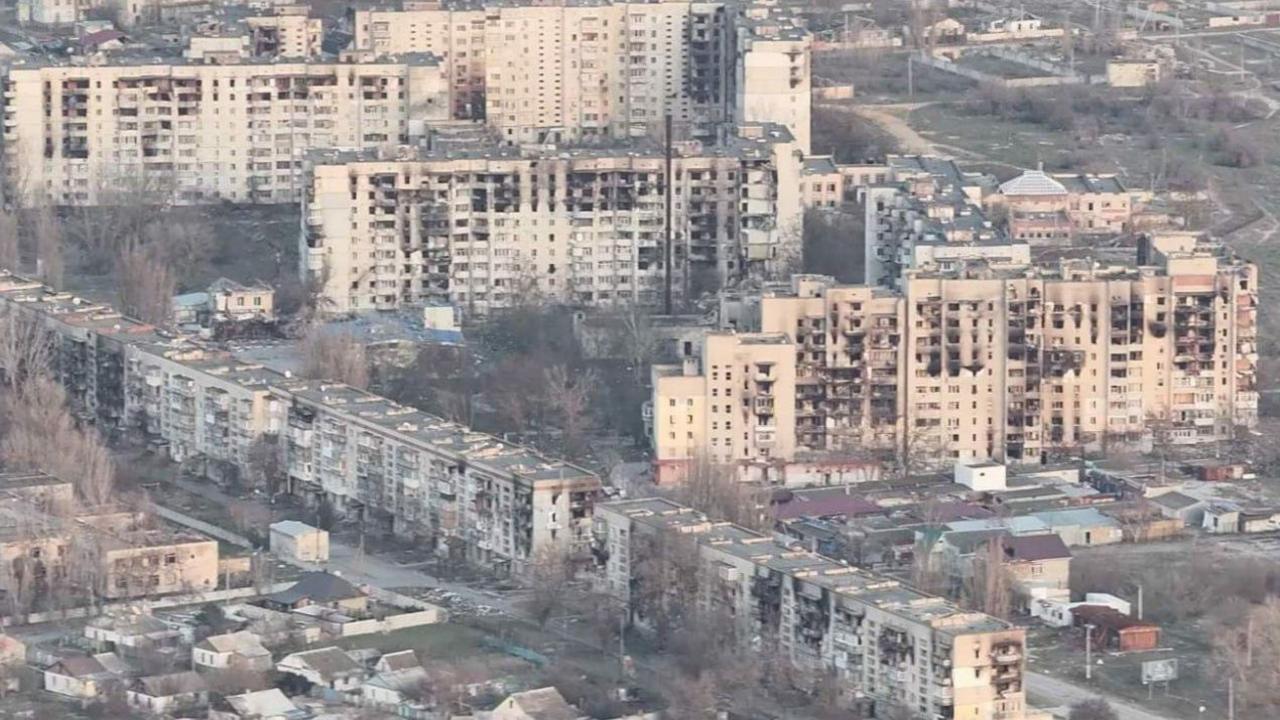
In the war‑torn southern city of Oleshky, residents have turned to eating garden weeds as their last resort after a full blockade cut them off from food and water.
"There is no food here in the city," says Halia, a local from Oleshky, whose phone disconnected after she mentioned two more civilians died last night. The city has been under Russian occupation since 2022 and is constantly shelled.
Oleshky’s people have lived under curfews imposed by the Russian forces. Three days after Halia's brief call, she confirmed that the two civilians killed were a husband and wife who were returning from the neighbouring town of Radensk with a bag of food. Army‑deployed drones struck them before they could complete their journey, according to four separate sources. The deaths are part of an estimated 1,200 casualties now recorded by local volunteer Ksenia Arkhipova, who keeps a spreadsheet of victims who have died in the city, citing landmine injuries and drone strikes.
Oleshky, positioned between the Dnipro River and Russian troops, lost its electricity and water supply when the Nova Kakhovka dam was attacked in June 2023. The city had a population of 24,000 before the invasion, but only about 6,000 people remain, including 200 children.
The population reports severe malnutrition, lack of medical care, and the erosion of education; only one hospital operates a few days a week to perform critical amputations. The Ukrainian government has tried to deliver supplies, with minimal success so far. Russia has acknowledged a “critical situation” but blames Kyiv for the shortages, refusing to open the blockade.
The eating of weeds is a desperate tactic. Residents gather on Telegram chats to discuss which weeds are safe to eat, how to boil them, and to negotiate swaps and sales of food. Shops are no longer open, and supplies such as hygiene products are scarce. The risk of walking on mined roads has made residents depend on whatever food they can grow or find in gardens.
With no gas or electricity, the locals use simple stoves to boil the weeds, drying them over open flames. Halia reports eating once a day, usually plain bread with a splash of tomato or honey, accompanied by tea. Some families have turned to cooking garden weeds to make a barely edible dinner.
Burial restrictions imposed by the Russian authorities have worsened the situation. Bodies that died due to drone strikes, landmines or other causes cannot be buried without a post‑mortem performed by a Russian doctor—a process impossible here. As a result, some bodies have remained on the streets since December, with many piling up in a hospital morgue without power. Local volunteers note that stray dogs may eat the remains. This humiliating situation is seen as psychological warfare, with the threat that residents who attempt to bury the deceased could become the next victims.
The outside world has been alerted. Ukraine’s Foreign Minister Andriy Sybiha has called on the UN General Assembly and international community to pressure Russia to allow humanitarian aid into the blockaded city. Yet the obstacles remain steep and the humanitarian crisis continues to deepen.