Swiss voters reject stricter interpretation of neutrality
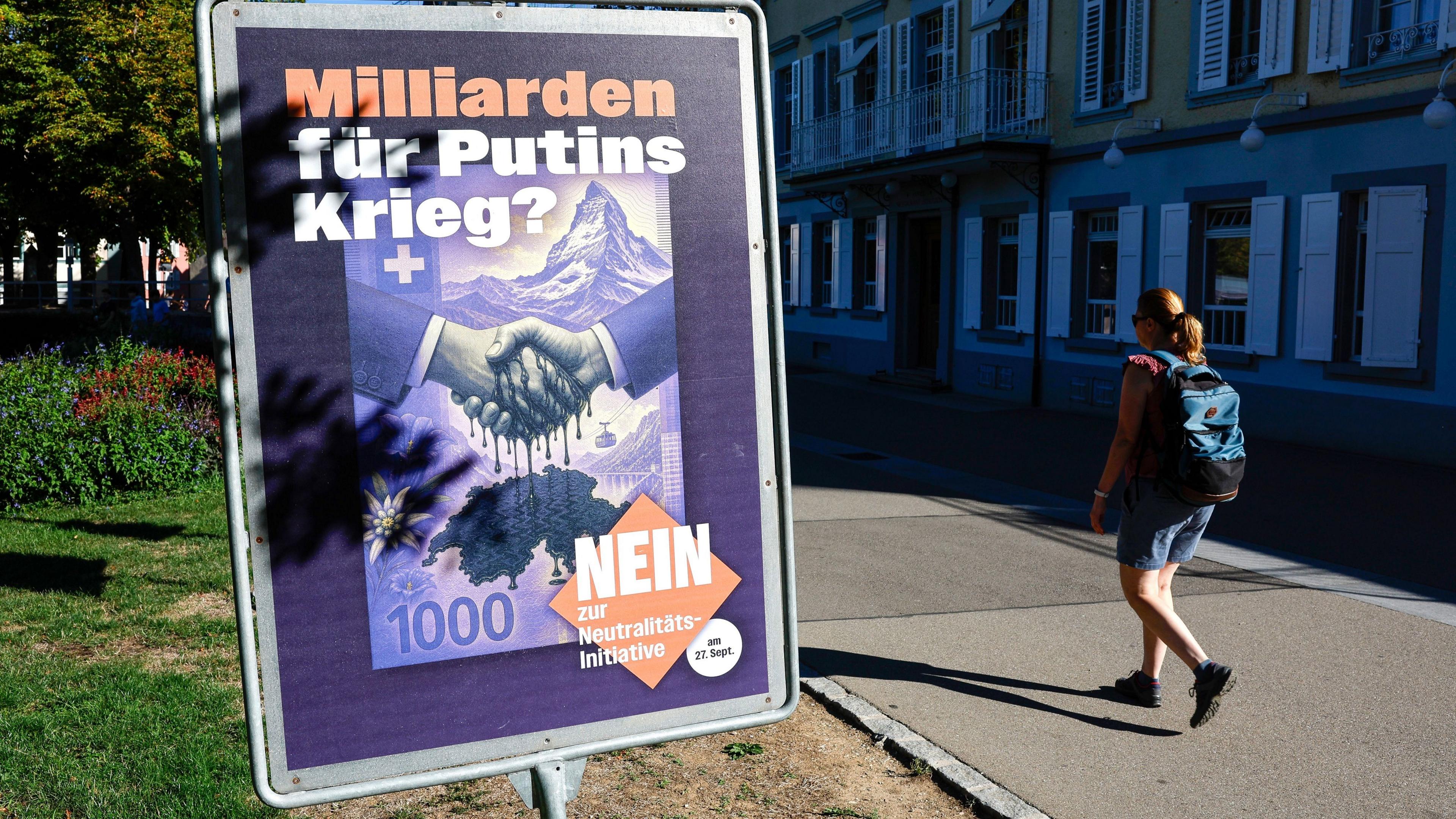
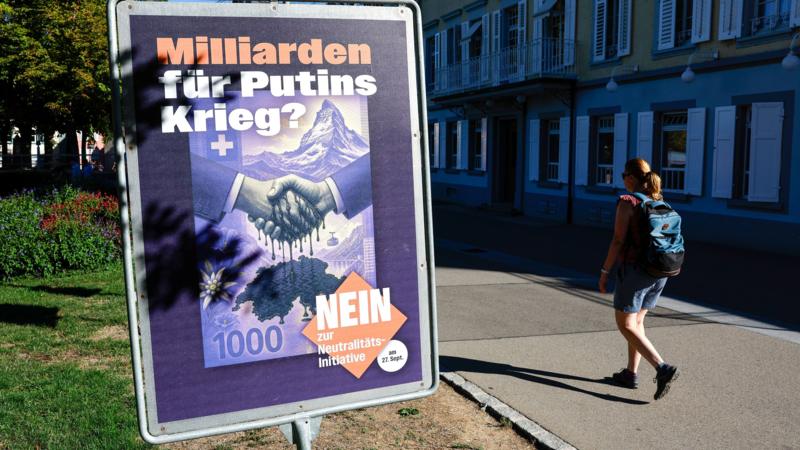
More than 70% of Swiss voters rejected proposals that would have prevented the nation from imposing sanctions without UN approval.
In a vote that came after Russia’s full‑scale invasion of Ukraine, a decision was reached to maintain Switzerland’s existing, more flexible approach to neutrality, according to official results.
The measure would have also barred Switzerland from forming closer ties with NATO and from sanctioning the Russian regime unless the United Nations approved.
The initiative was supported by the right‑wing Swiss People’s Party and promoted by Moscow, but opposed by the federal government and all other major parties.
Researcher Lukas Golder told the Swiss public broadcaster SRF that voters were not rejecting neutrality itself but rather showing a willingness to sanction Russia while keeping the country’s long‑standing tradition intact.
Swiss Foreign Minister Ignazio Cassis said neutrality has “always been applied with a degree of flexibility”, stressing that “neutrality does not mean indifference” when international norms are breached.
He added that Switzerland will not ignore violations of the rules that keep the world at peace.
Switzerland was officially granted “eternal neutrality” at the 1815 Congress of Vienna and has maintained that status, defined legally by the 1907 Hague Convention.
While it has not lifted its arms‑ban on conflict‑zone countries, Switzerland historically rejected Germany’s request for tank ammunition for Kyiv and faced scrutiny for its policies towards Nazi gold and Jewish refugees during World War II, leading to apologies in the 1990s.
Switzerland’s strong tradition of direct democracy means key national decisions are frequently put to the people through referenda, a system that proved decisive in this case.