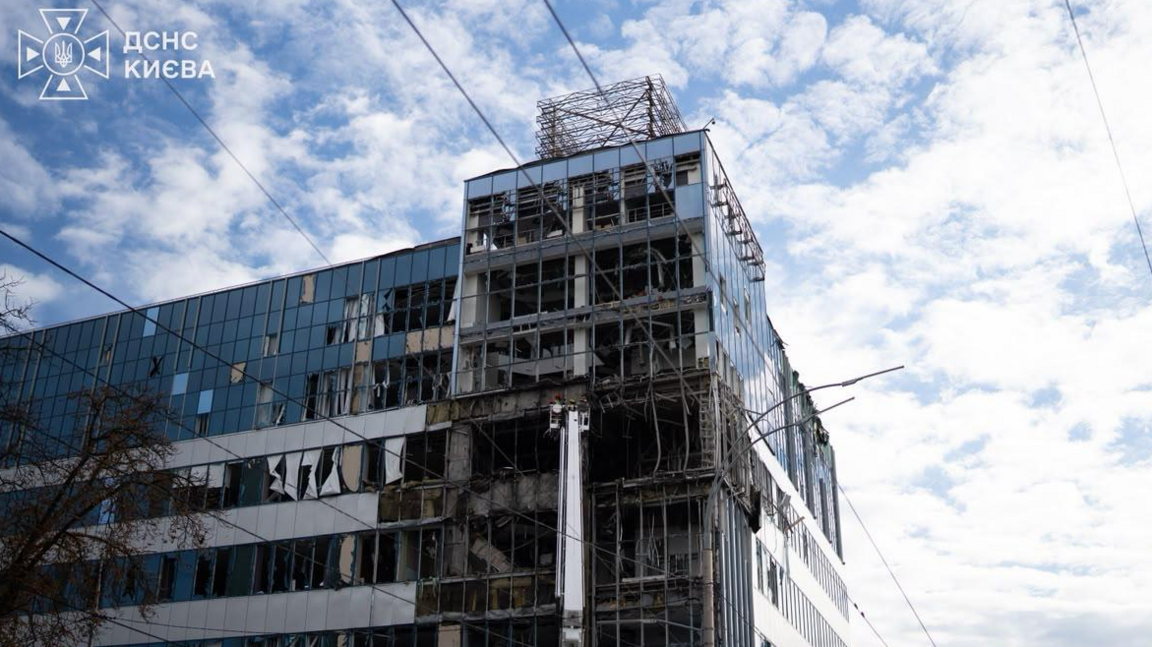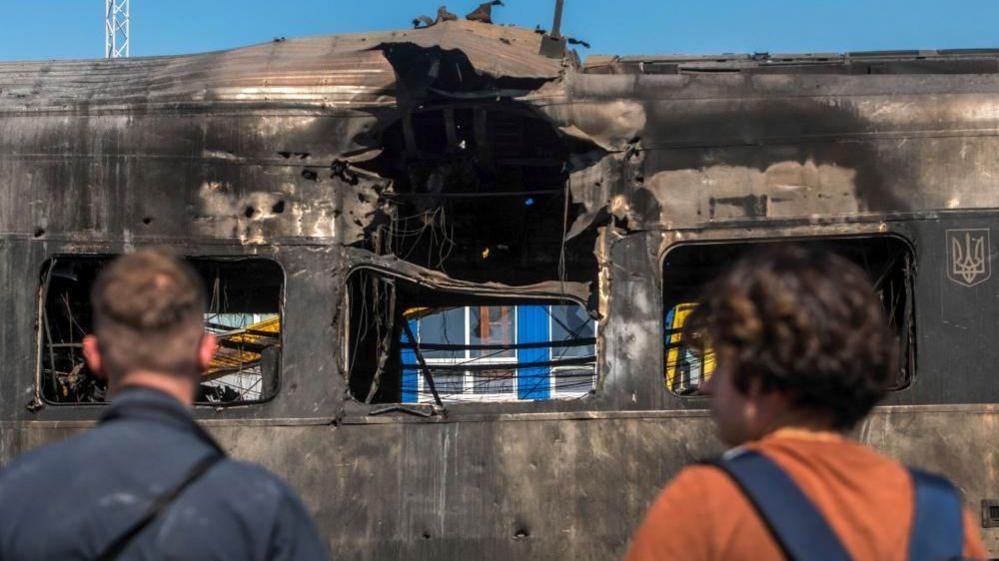
Ukraine’s rail network—once the country’s lifeline during its war—has become a frontline target as Russian drones swarm the tracks.
Since the invasion began, more than half of the 521 locomotives that have been hit were damaged this year alone, according to Ukrzaliznytsia, the state‑owned operator. In September, 5,831 trains were forced to evacuate, an average of 205 per day.
Yuliia Ponomarenko, a marketing specialist from Kharkiv, was travelling to Warsaw when border guards shouted “Run! Get out of the carriages!” after a drone struck a locomotive just before the Poland‑Ukraine frontier. Passengers were delayed for six hours while the line was cleared, a fate that many others now face daily.
Seventeen‑year‑old Anastasiia Ryvbalchenko recalls being evacuated from her train at 4 a.m. on September 16, only to hear an explosion hours later as another drone struck near the tracks. “I’m not going to travel by train anymore,” she said.
Crisis managers at the “Iron Command Centre” monitor threats in real time. A 100‑km radius around each drone forces any train within that circle to evacuate immediately. The centre’s monitors keep passenger safety in mind as they dispatch crews to escort those on board to safer zones.
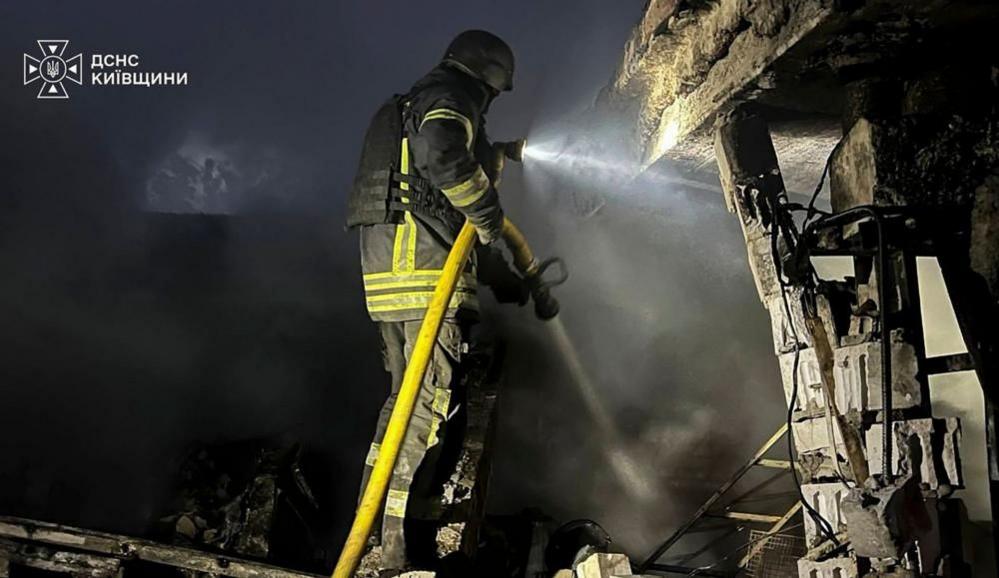
Oleksandr Pertsovskyi, CEO of Ukrzaliznytsia, acknowledges that the increase in drone precision—some equipped with AI‑based image recognition—has made the environment a “cat and mouse” game. The company reports only eight employees lost their lives in 2026, most in a missile strike on a locomotive depot.
Looking ahead, the railway is assembling winter evacuation packs, mobile shelters and bus services to cope with the cold and heavy snow weather. The railway’s goal remains the same: keep the country connected and safe for passengers and crew alike, no matter how intense the conflict becomes.