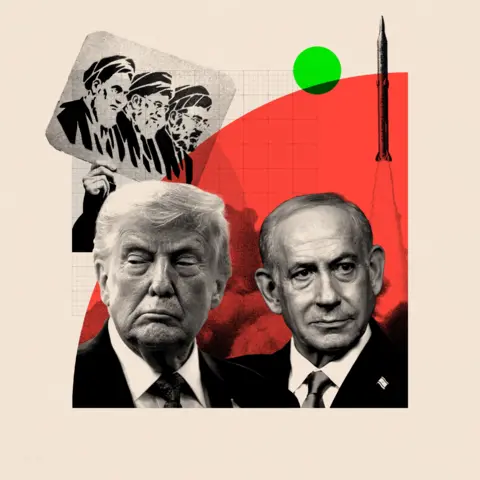
US President Donald Trump has indicated that he may send troops to seize control of Iran's key oil export terminal at Kharg Island in the northern Gulf. So what's behind this, how would it work and what are the risks?
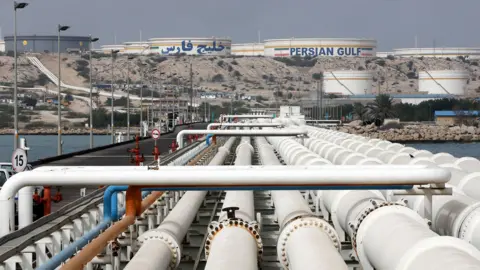
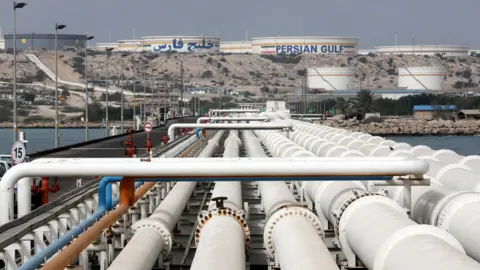
Kharg Island has long been Iran's chief outlet for its oil exports. The island sits offshore with waters deep enough to load product onto tankers known as Very Large Crude Carriers (VLCCs), which can hold around two million barrels. Around 90% of Iran's oil exports pass through Kharg.
During the Iran-Iraq war in the 1980s, Kharg was frequently bombed by the Iraqi Air Force, and on 13 March this year, the US struck what it claimed were 90 military targets on the island, yet spared the oil infrastructure.
If the US did decide to invade Kharg Island, it would likely be a temporary measure intended to pressure Iran by cutting off its fuel exports and forcing it to relinquish its chokehold on the Strait of Hormuz - one of the world's busiest oil shipping lanes.
However, questioning whether such a tactic would work given the resilience of the Iranian regime is paramount. Iranian officials, including the speaker of parliament, have warned of severe retaliation against any US incursion.
The logistics of a potential operation would involve an airborne assault by paratroopers and a marine landing from ships equipped with Ospreys and landing crafts. However, the approach would likely face formidable defenses, including anti-personnel mines and drone swarms.
The risks associated with a US operation are vast, particularly regarding casualties and the complex geopolitical ramifications of occupying Iranian territory. Such an action is anticipated to be met with significant resistance from the Iranian military.
Finally, the backdrop of these potential military actions is compounded by alleged US duplicity in proposing peace talks while mobilizing forces, further complicating the landscape of international relations and potential conflict.