Gulf nations reported a series of attacks as the US-Israel war against Iran entered its fifth week, including strikes on major industrial infrastructure.
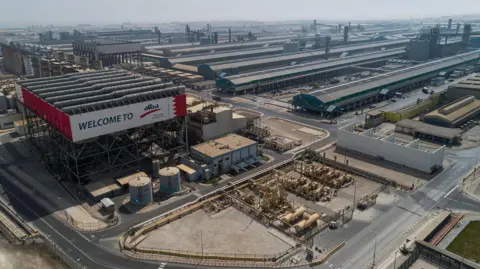
The United Arab Emirates (UAE) reported a number of people injured in an Iranian strike on a key aluminium plant in Abu Dhabi, with significant damage reported by operator Emirates Global Aluminium.
Similarly, state-controlled Aluminium Bahrain confirmed that two employees were wounded by an Iranian attack on one of the world's largest aluminium smelting facilities.
This escalation followed the involvement of Yemen's Iran-backed Houthis in the conflict, raising fears of further economic disruptions should they target shipping in the Red Sea. The Houthis claimed to have launched missiles against Israel targeting military sites and vowed to continue these attacks, leading to heightened concerns.
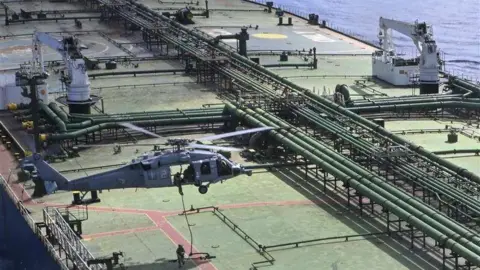
Oil and gas prices have already surged as Iran effectively shut the Strait of Hormuz, a critical shipping route for global energy supplies. If the Houthis launch further attacks on shipping, as they previously did in response to the Hamas-led attacks on Israel in October 2023, energy prices are likely to rise even further.
In other developments, Oman reported investigating 'cowardly attacks' after a foreign worker was injured in a drone strike on its southern port. Kuwait also reported significant damage to the radar system at its international airport due to attacks from 15 drones.
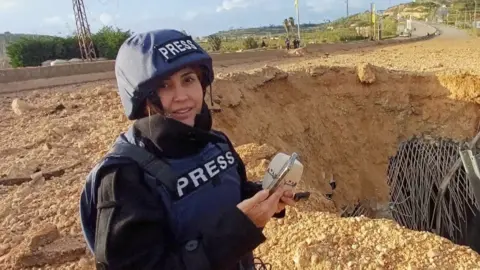
Tehran accused Israel of targeting two of its steel productions, while tensions rose after Israel confirmed the killing of a Hezbollah-affiliated journalist in a targeted strike.
As this complex conflict continues to unfold, the impact on regional stability and global energy prices remains a major concern.