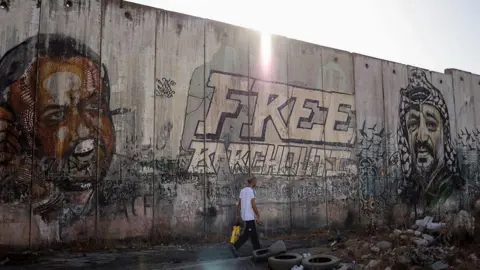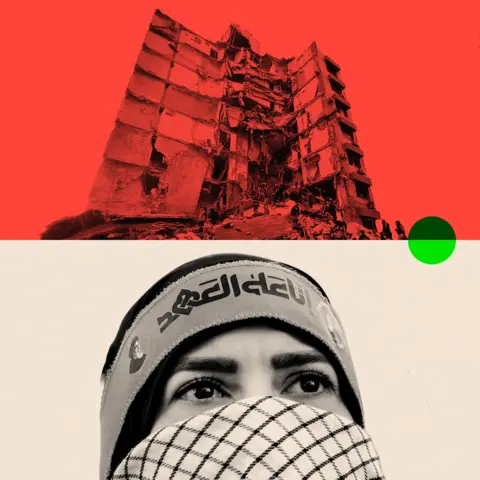
The UN human rights office has released a report that details what it describes as Israel's systemic discrimination against Palestinians in the occupied West Bank, including East Jerusalem. The situation, the report claims, has drastically deteriorated over the past three years.
According to the findings, Israeli laws, policies, and practices are exerting an 'asphyxiating impact' on daily life for Palestinians, violating international conventions against racial discrimination. High Commissioner Volker Türk stated, 'This is a particularly severe form of racial discrimination and segregation that resembles the kind of apartheid system we have seen before.'
In response, Israel has dismissed these allegations as 'absurd and distorted', asserting that the UN report neglects key factors relating to the Israeli-Palestinian conflict.
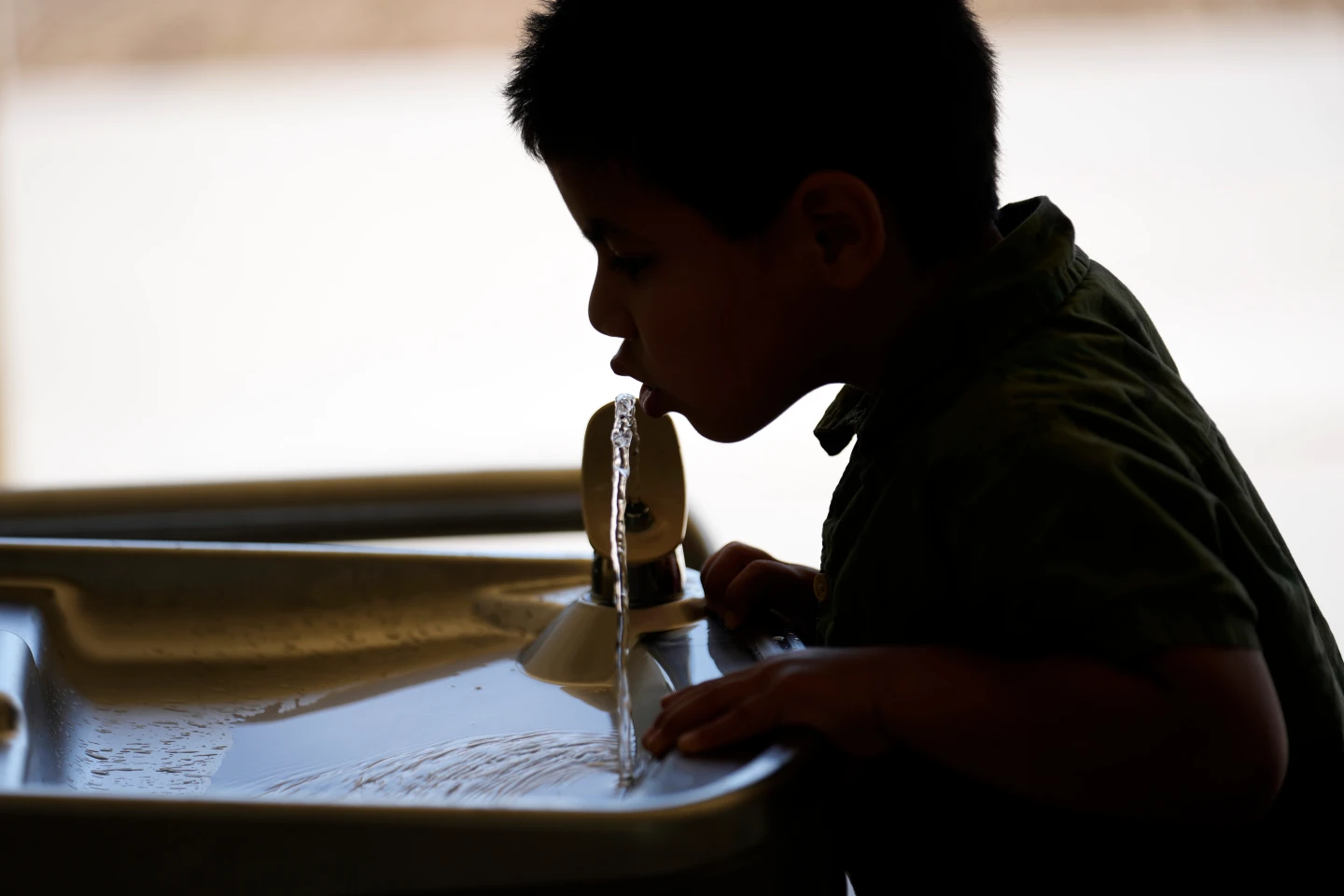
The report by the UN human rights office indicates that Palestinians experience significant discrimination in areas such as water accessibility, education, medical care, and land ownership due to Israeli policies. It argues that these systemic inequalities fulfill criteria that align with apartheid as defined by international law.
This is a landmark assertion, marking the first instance where a UN human rights chief explicitly compares Israeli practices in the West Bank to apartheid—a term that carries considerable weight given its historical context in South Africa.
As tensions in the region persist, the report notes that Israel has continued its expansion of settlements, with at least 19 new settlements recently approved. These acts are seen as efforts to obstruct the potential establishment of a Palestinian state, as nearly 3.3 million Palestinians coexist within these territories.
While the UN report highlights the alarming trajectory of systemic discrimination against Palestinians, Israeli officials argue that the international community should consider the security threats Israel navigates amidst ongoing violence.
With every day that passes, the UN warns that the consequences for Palestinian communities worsen, raising urgent calls for intervention and reassessment of policies that impact countless lives in the region.